Turned away
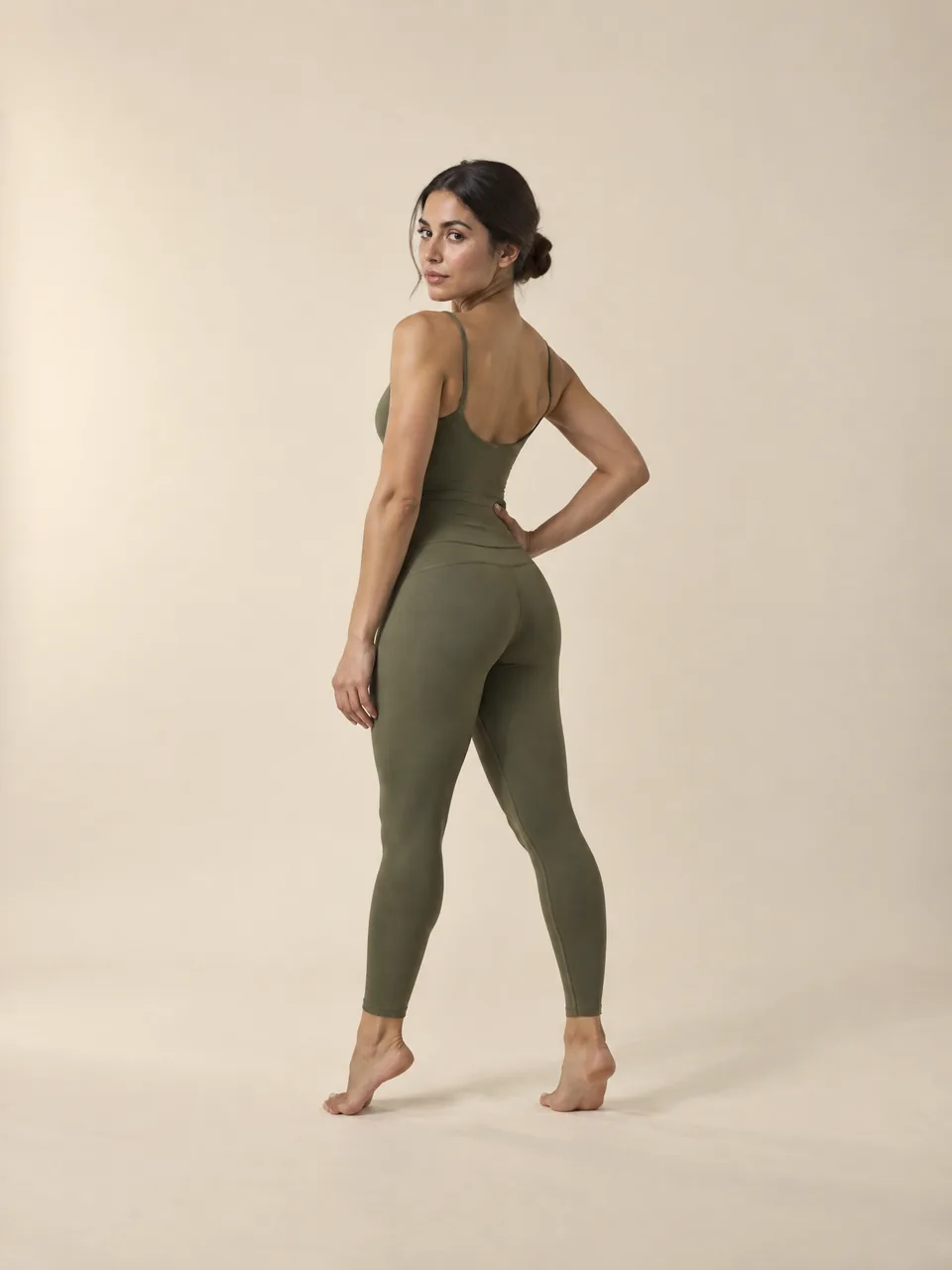
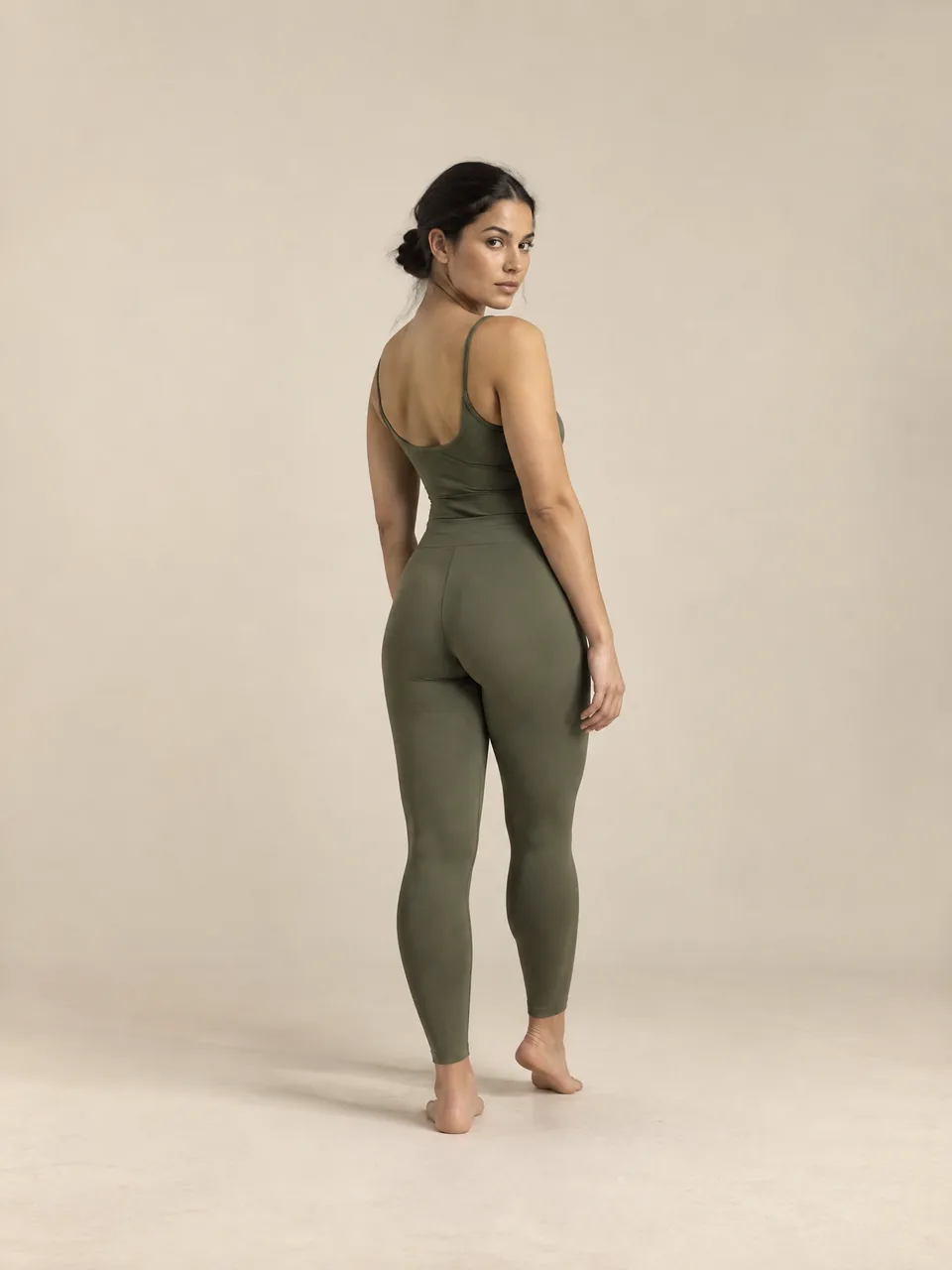
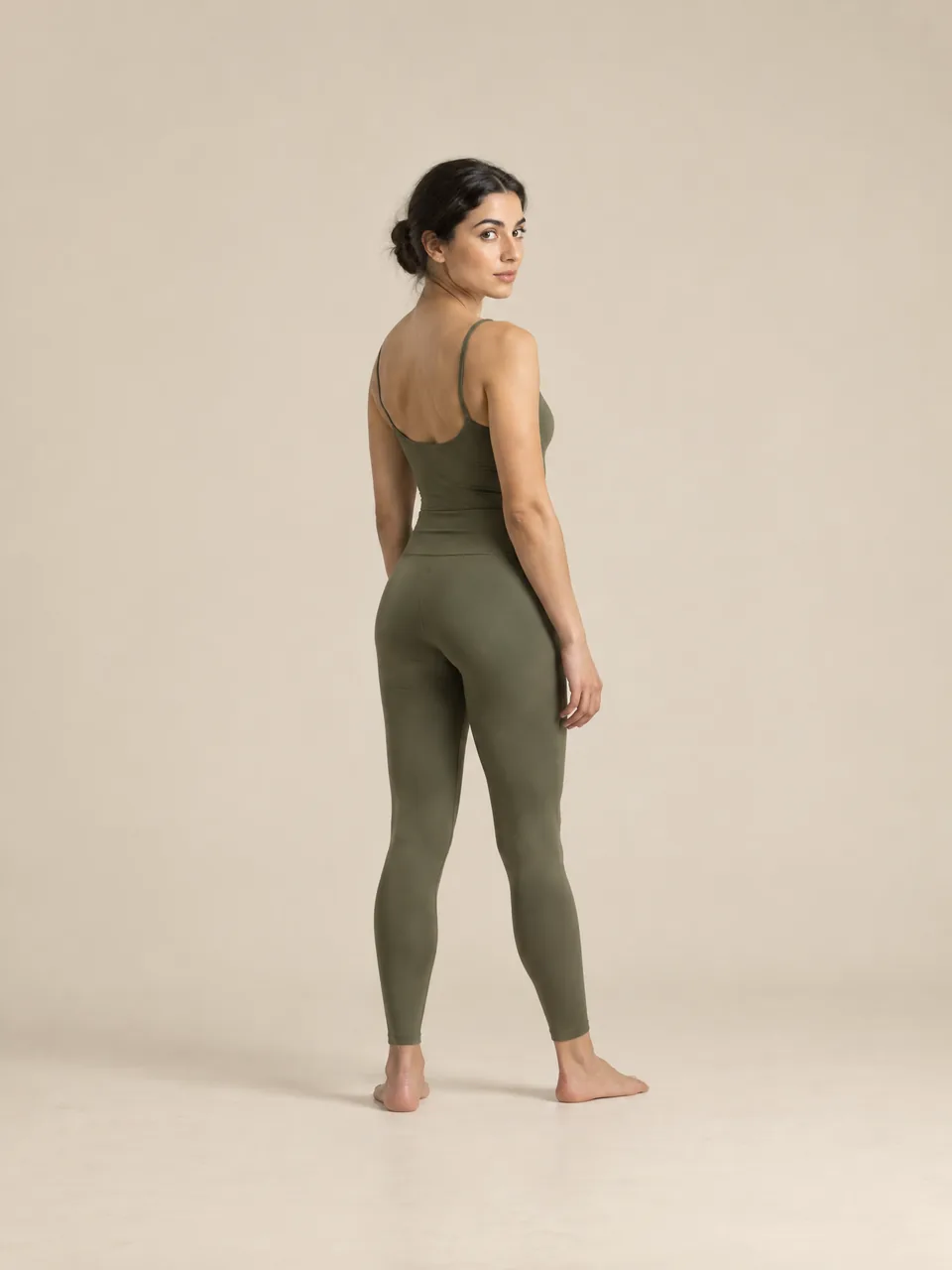
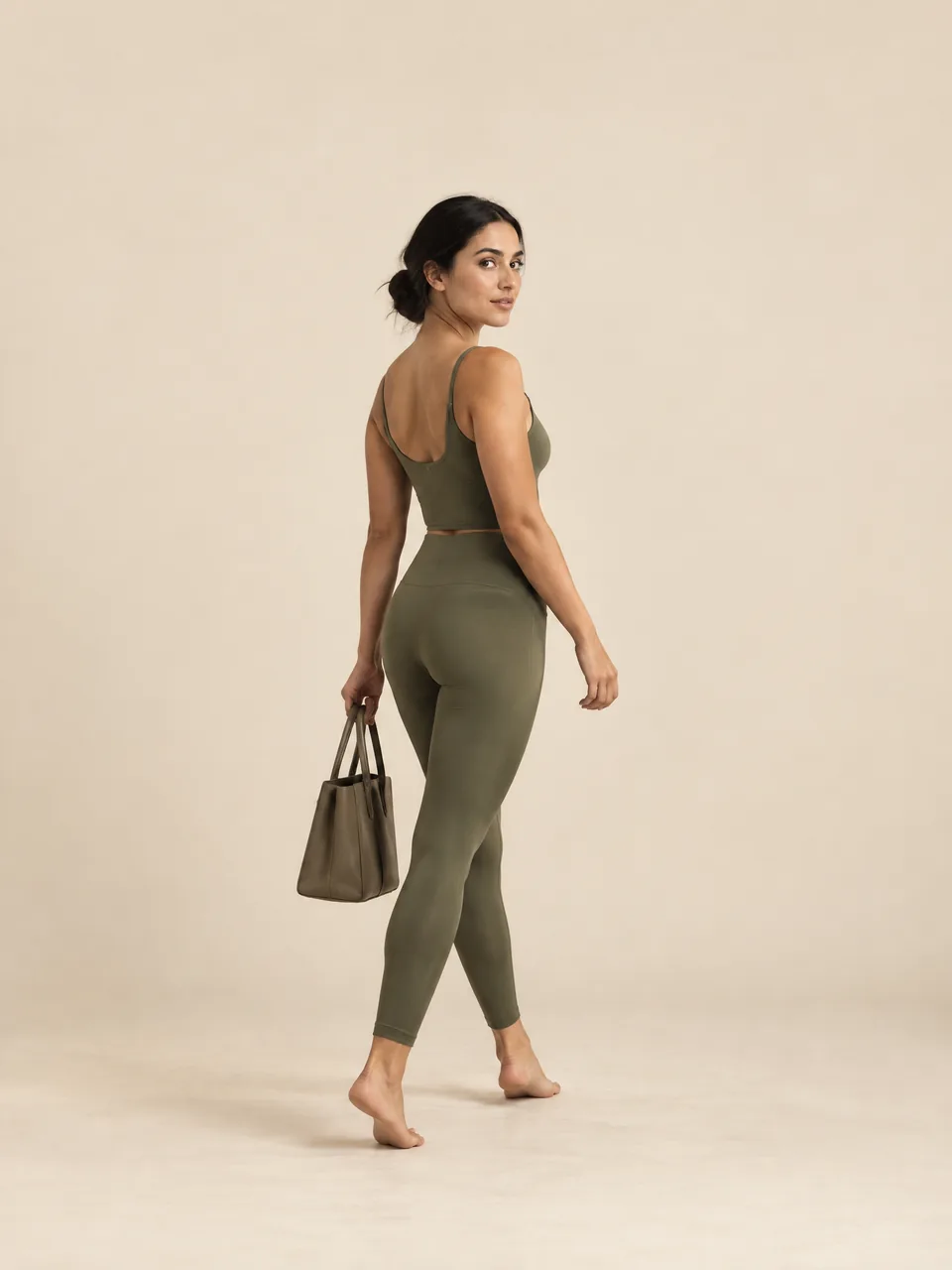
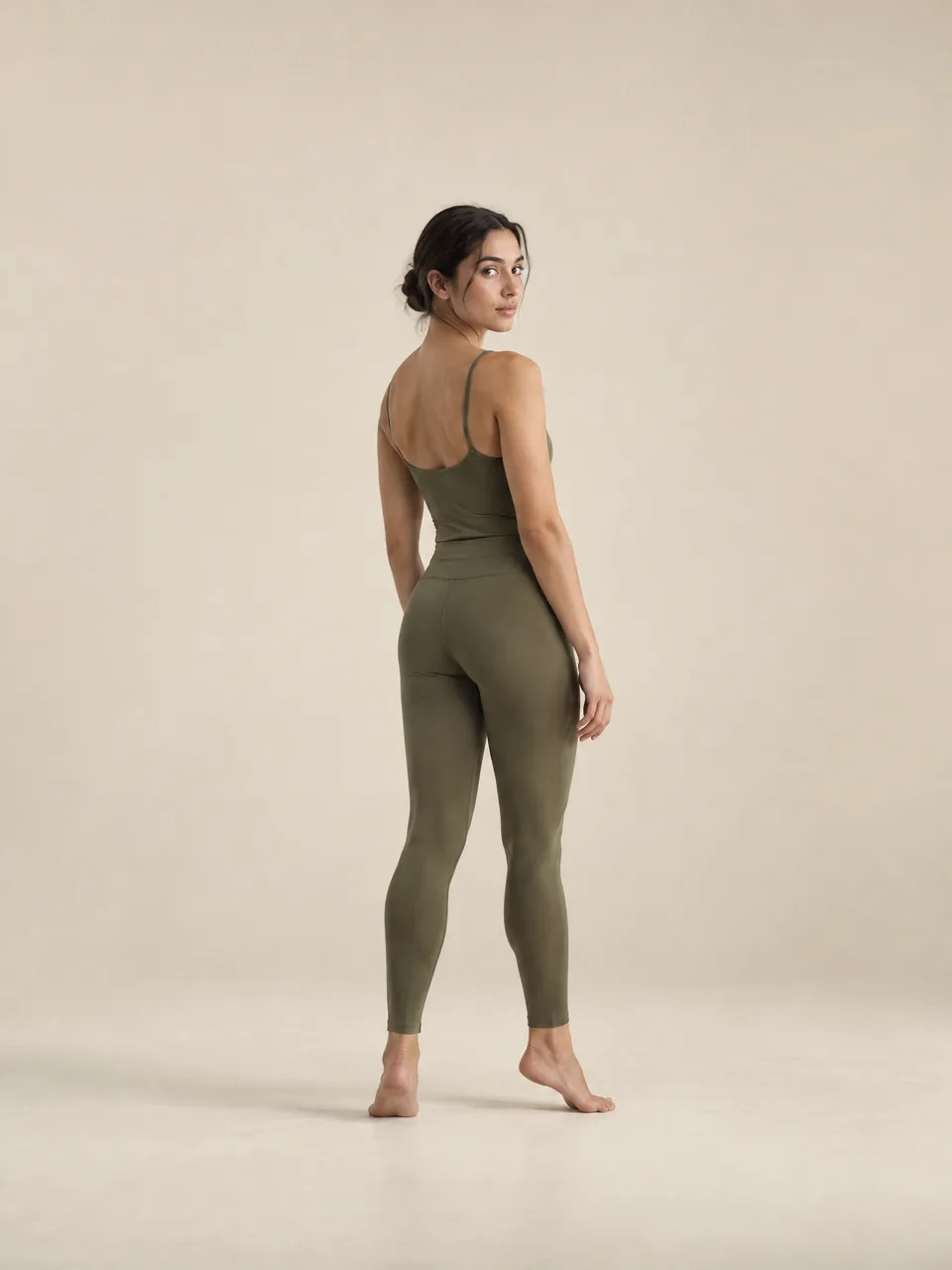
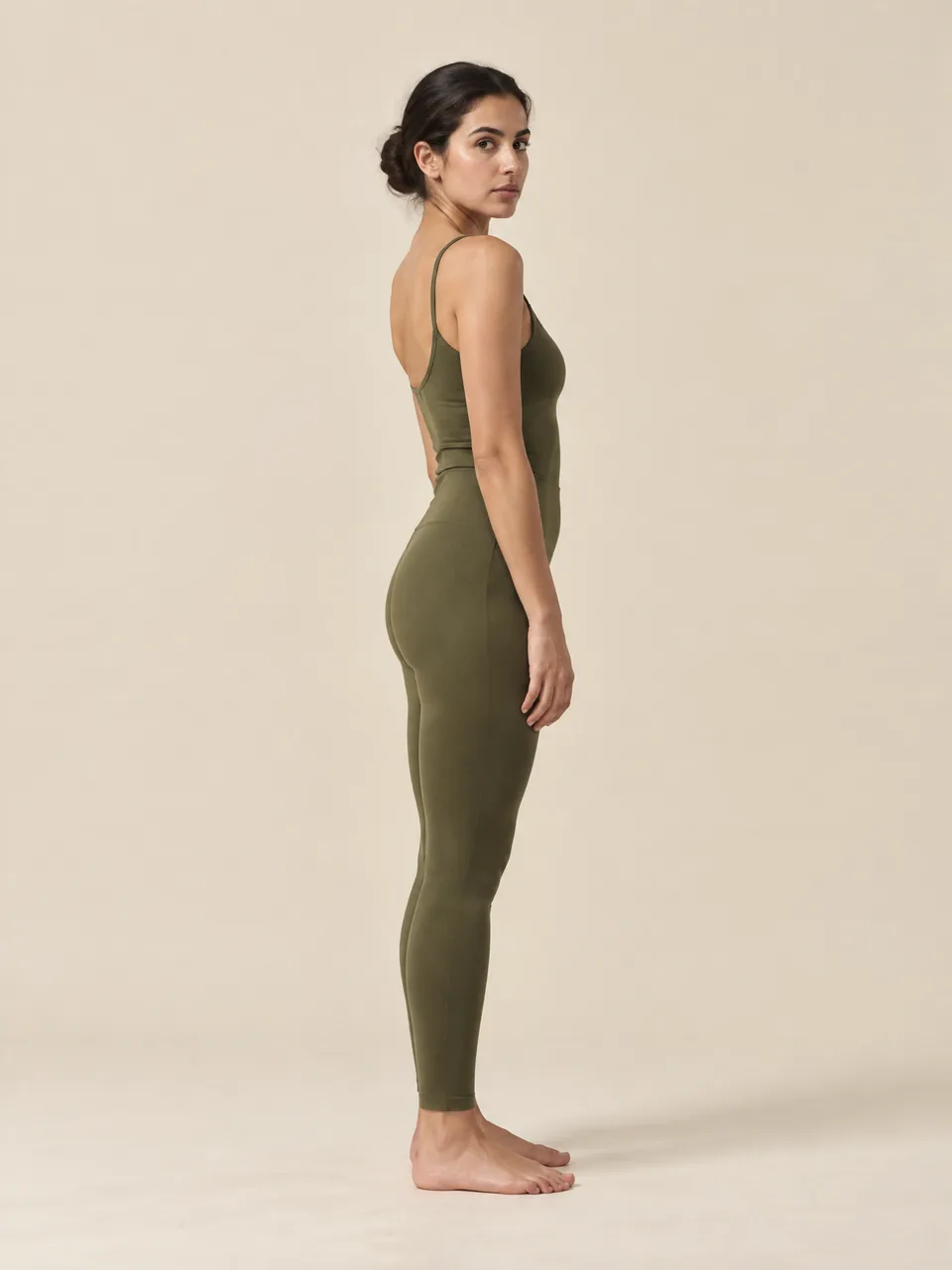
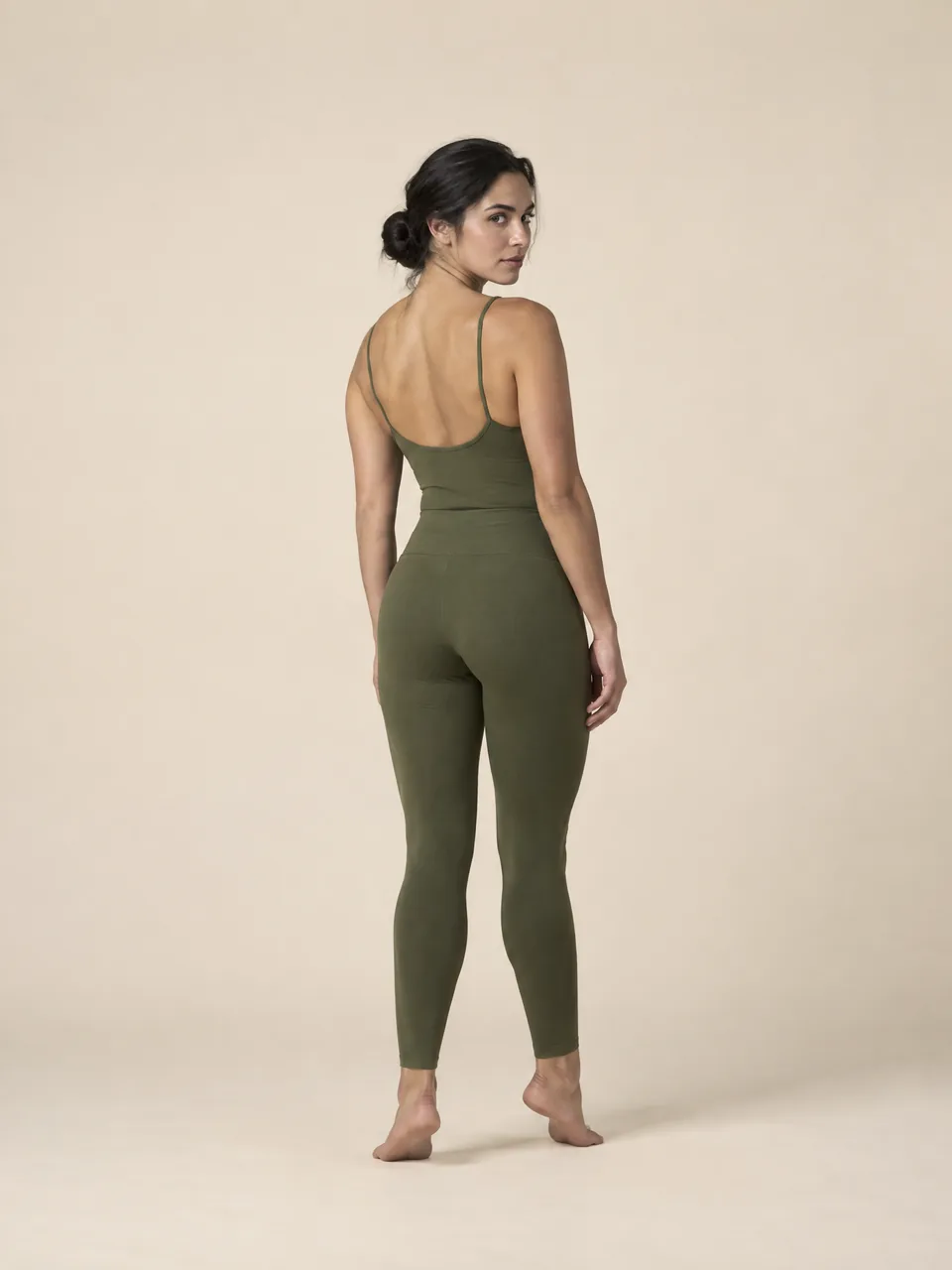
A figure rotated mostly away from the camera, with the head turned back over one shoulder.
The back does most of the work in this turn. The torso is rotated away so you see the shoulder blades, the spine channel and the back of the hips, while the head turns back far enough to find the viewer. It is a pose built on opposition: away with the body, toward with the gaze.
That makes it a strong narrative silhouette. It reads as exit, departure or a parting look, and it is also one of the best views for studying the back: the shoulder blades elevate as the arms move, the spine shows as a shallow groove, and clothing pulls across the back rather than draping smoothly.
The common error is a rigid ninety-degree turn where the whole body rotates as one unit. Let the rotation happen progressively: hips first, then ribcage, then head, with the shoulders staying ahead of the pelvis in the opposite direction to the head. Watch the neck too, since turning it this far shortens the muscle on one side and pushes the shoulder up. Keep the far arm visible as a sliver so the viewer still reads a human front, not a slab.
Drawing notes
- Rotate hips, ribs and head in stages rather than turning the body as one block.
- Draw the spine groove and the two shoulder blades before the clothing.
- Leave a sliver of the far arm visible to preserve the front-back cue.
Pose prompt
The description used to generate this study. Copy it into your own workflow, or hand it to the studio with your photo.
Adult woman turning away and looking over her shoulder, full body.
Working notes
- A figure rotated mostly away from the camera, with the head turned back over one shoulder.
- Back views need the opposite arm visible; otherwise the figure loses its front-back cue.
Put this pose on your own reference
Take this study to the studio and generate a new image in the same pose, or browse the rest of the fashion studies first.