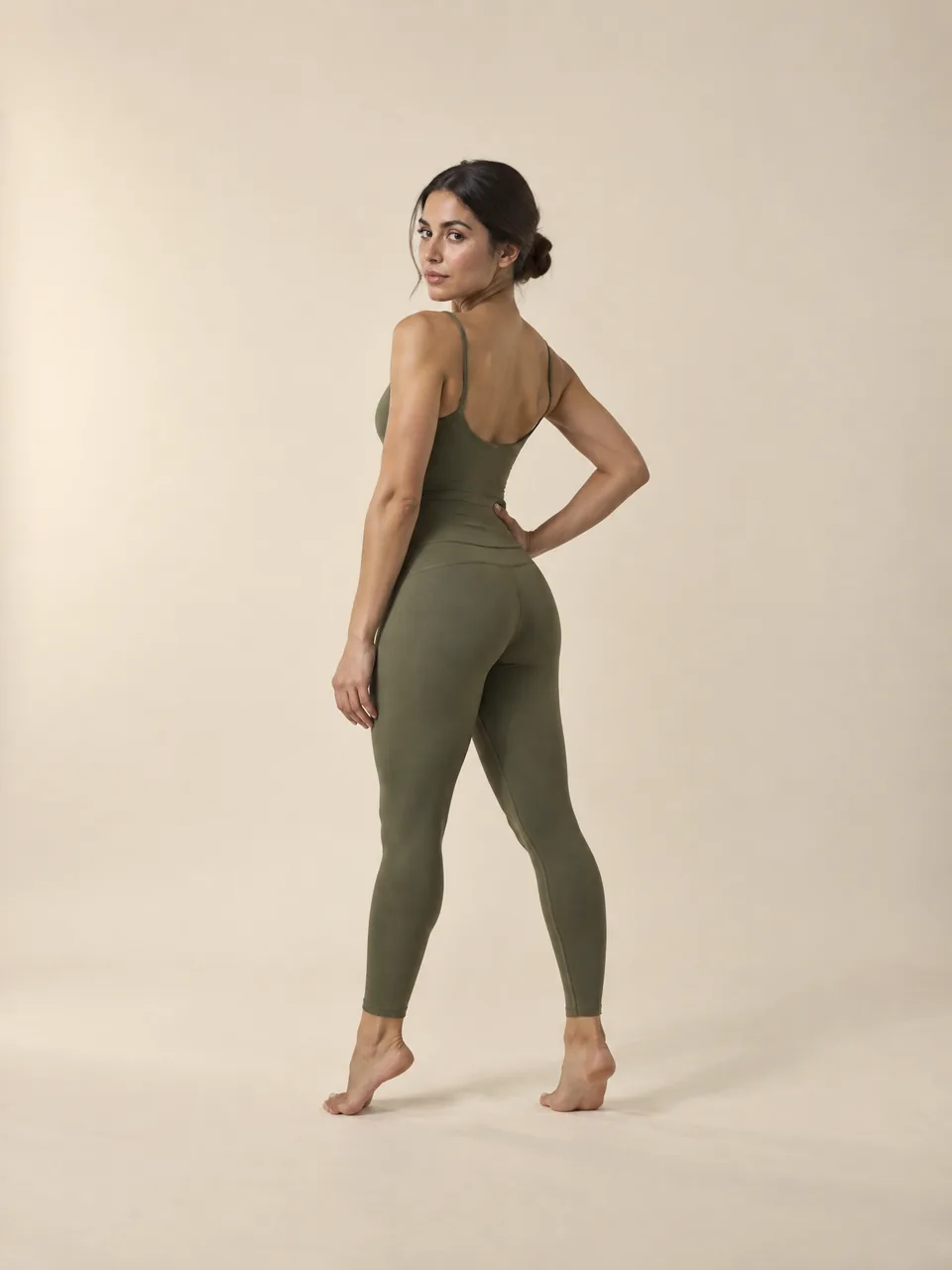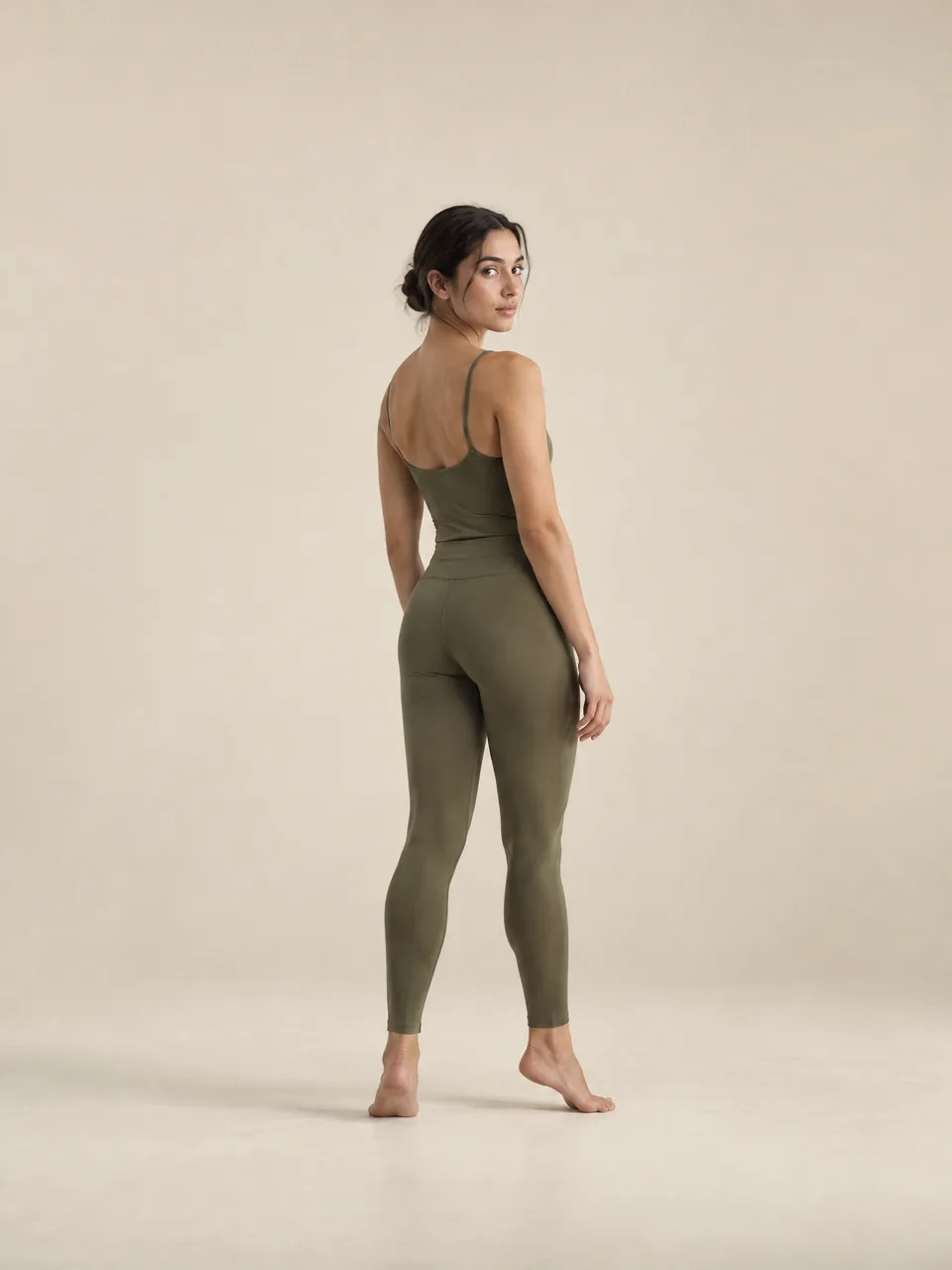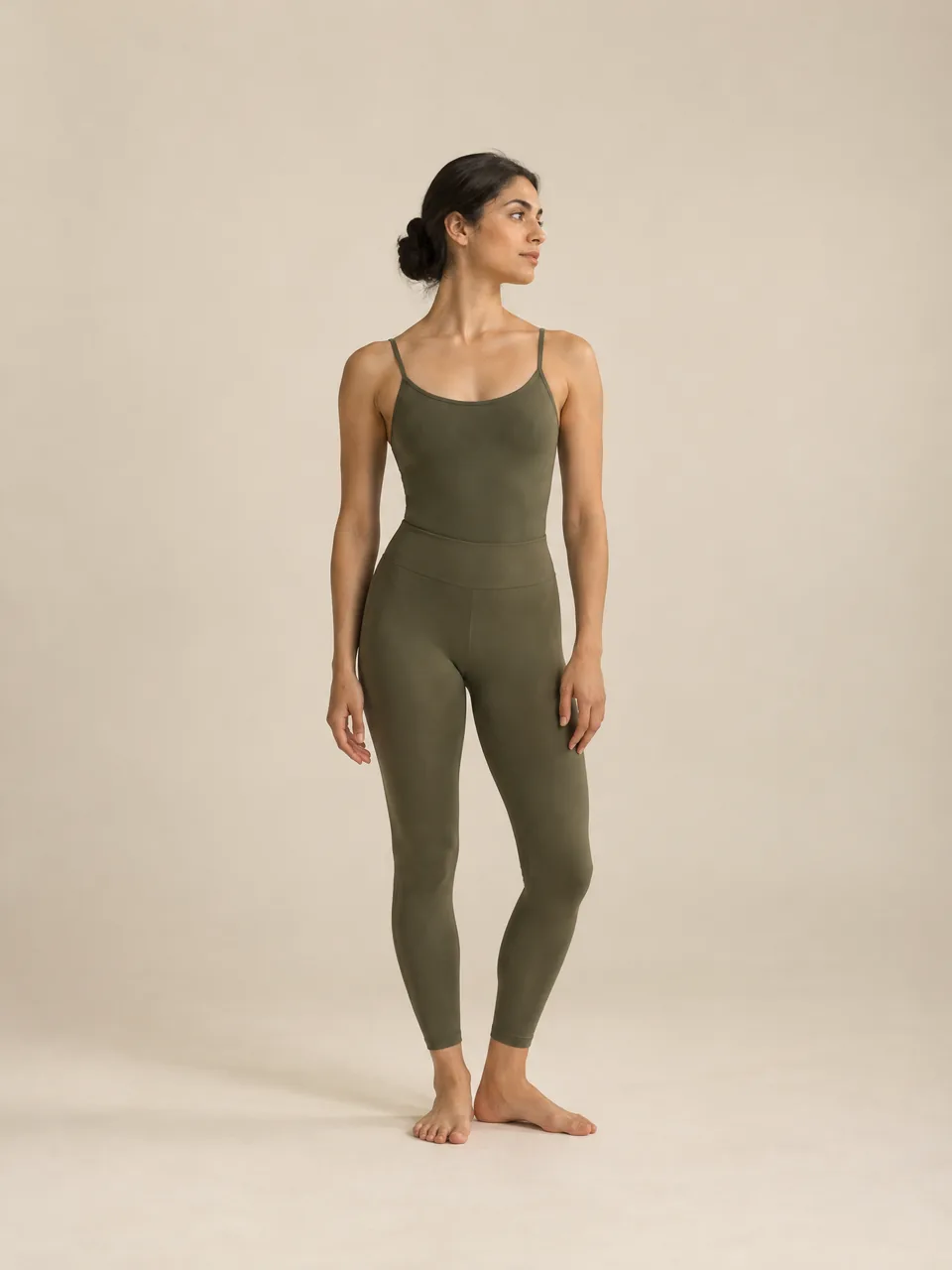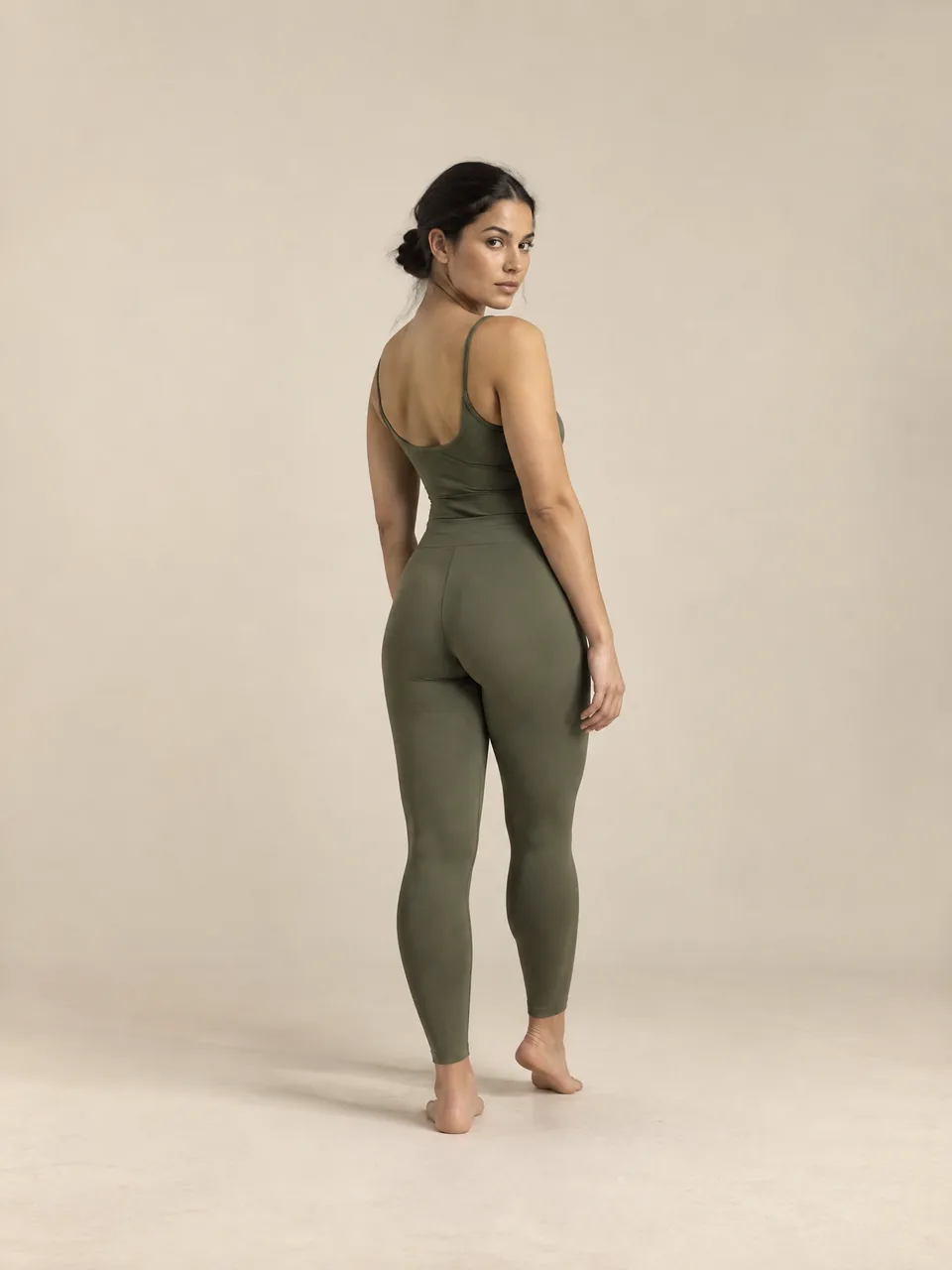
Over the shoulder
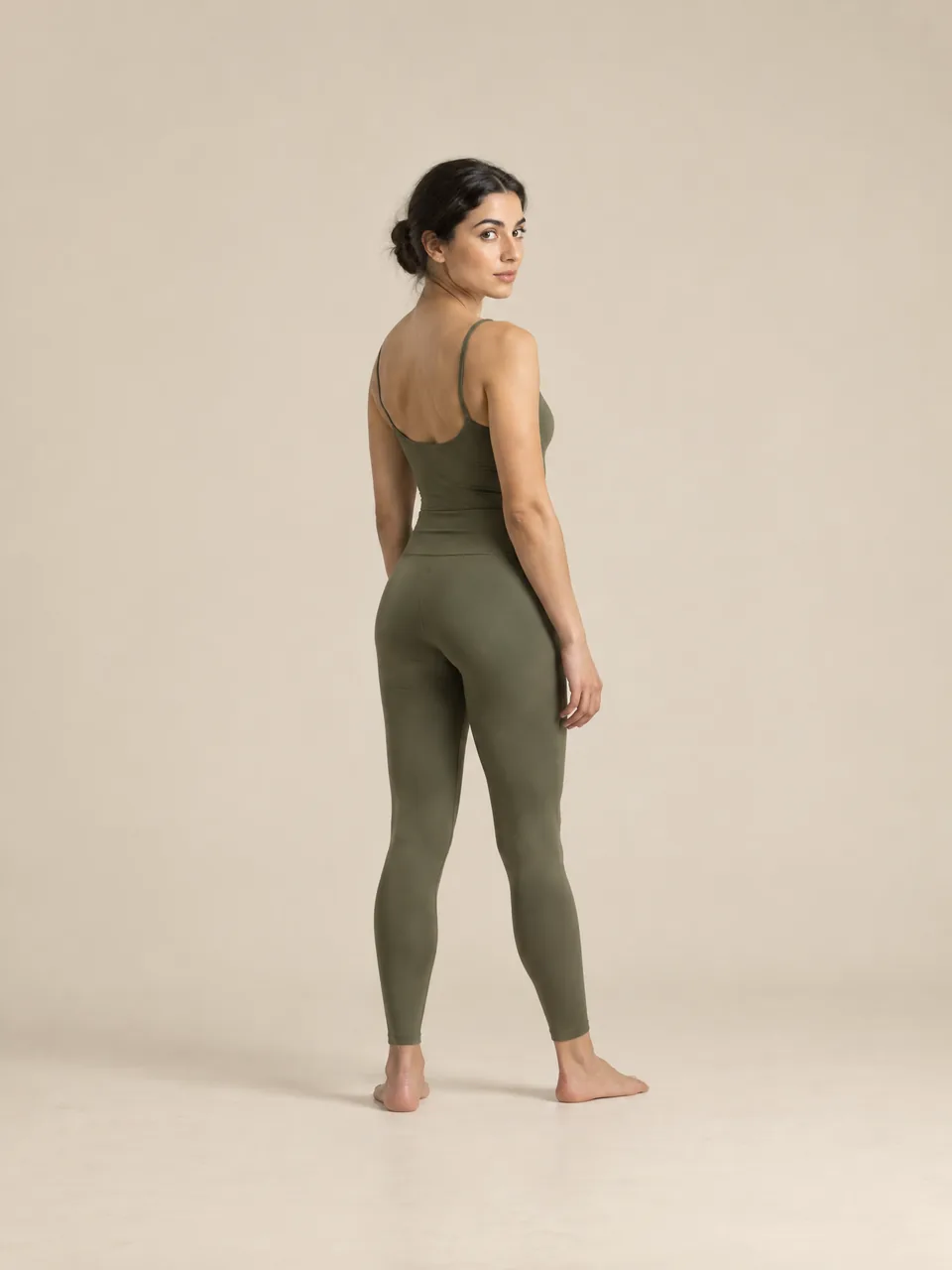
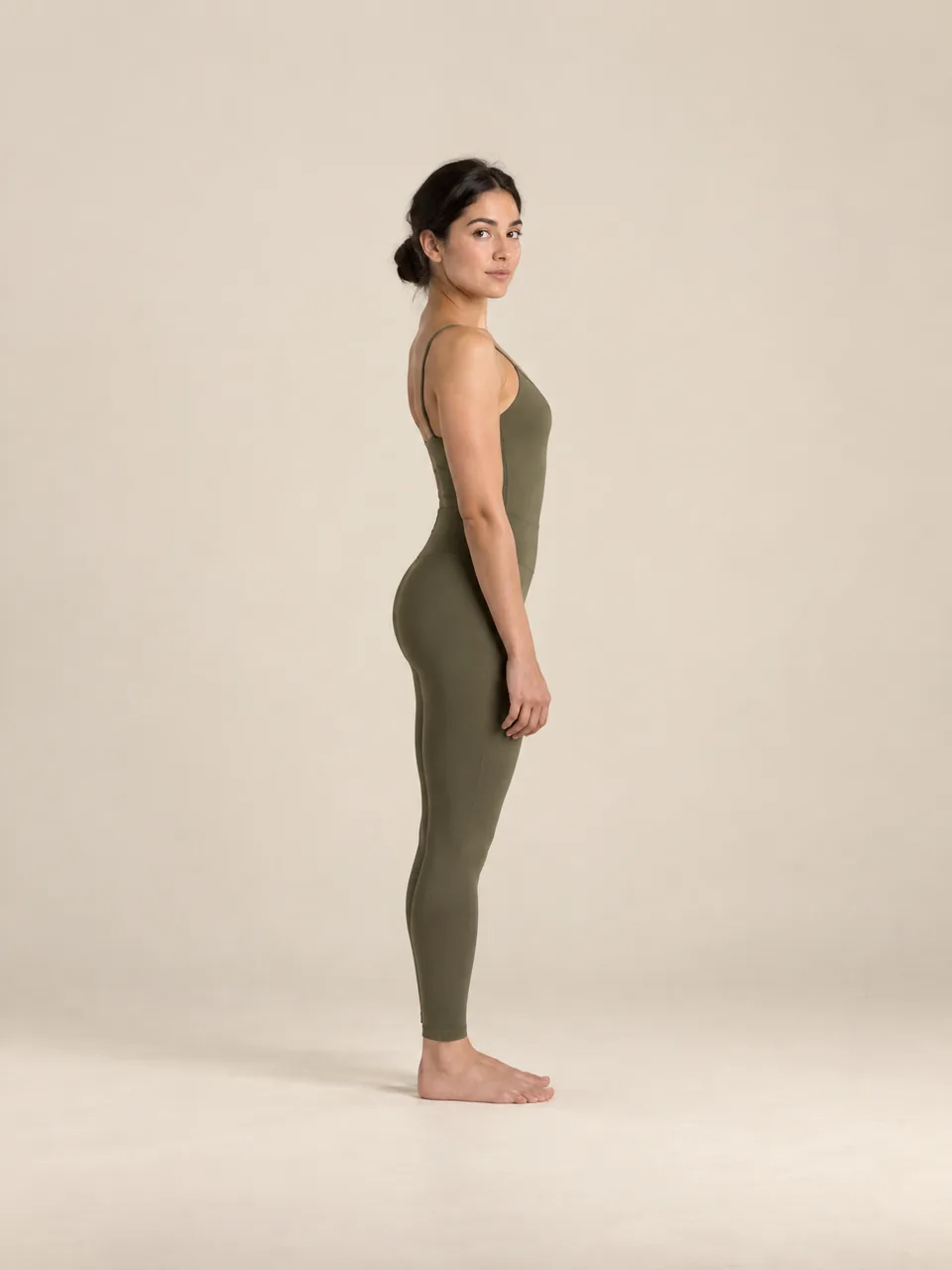
A cropped portrait where the chest stays angled away and the head turns back toward the viewer.
In a crop this tight, an over-the-shoulder turn is almost entirely a neck and clavicle study. The chest and shoulders stay rotated away, the near shoulder comes forward, and the head rotates back so the face sits over one shoulder. The line of the trapezius on the turning side stretches while the other side bunches.
That opposition is what gives the portrait its energy. Because the body is not facing the viewer, the face looks like it is arriving from somewhere else, which suits portraits where expression matters more than posture, and it gives you a natural reason to show the side and back of one garment.
Two errors dominate. First, the neck is drawn too wide, because the artist adds the turn on top of a frontal neck column; in reality a strong head turn narrows the visible neck and pushes the sternocleidomastoid into a diagonal. Second, the far shoulder disappears entirely, which makes the torso look flat. Keep a few centimetres of that far shoulder in the crop and check that the head does not float past the shoulder line.
Drawing notes
- Narrow the visible neck and draw the diagonal of the neck muscles.
- Keep the chest rotation visible so the turn has somewhere to come from.
- Leave part of the far shoulder in frame to give the torso depth.
Pose prompt
The description used to generate this study. Copy it into your own workflow, or hand it to the studio with your photo.
Adult woman, upper-body portrait, turning and looking over the shoulder.
Working notes
- A cropped portrait where the chest stays angled away and the head turns back toward the viewer.
- Keep the far shoulder in frame so the torso does not flatten.
Put this pose on your own reference
Take this study to the studio and generate a new image in the same pose, or browse the rest of the upper body studies first.