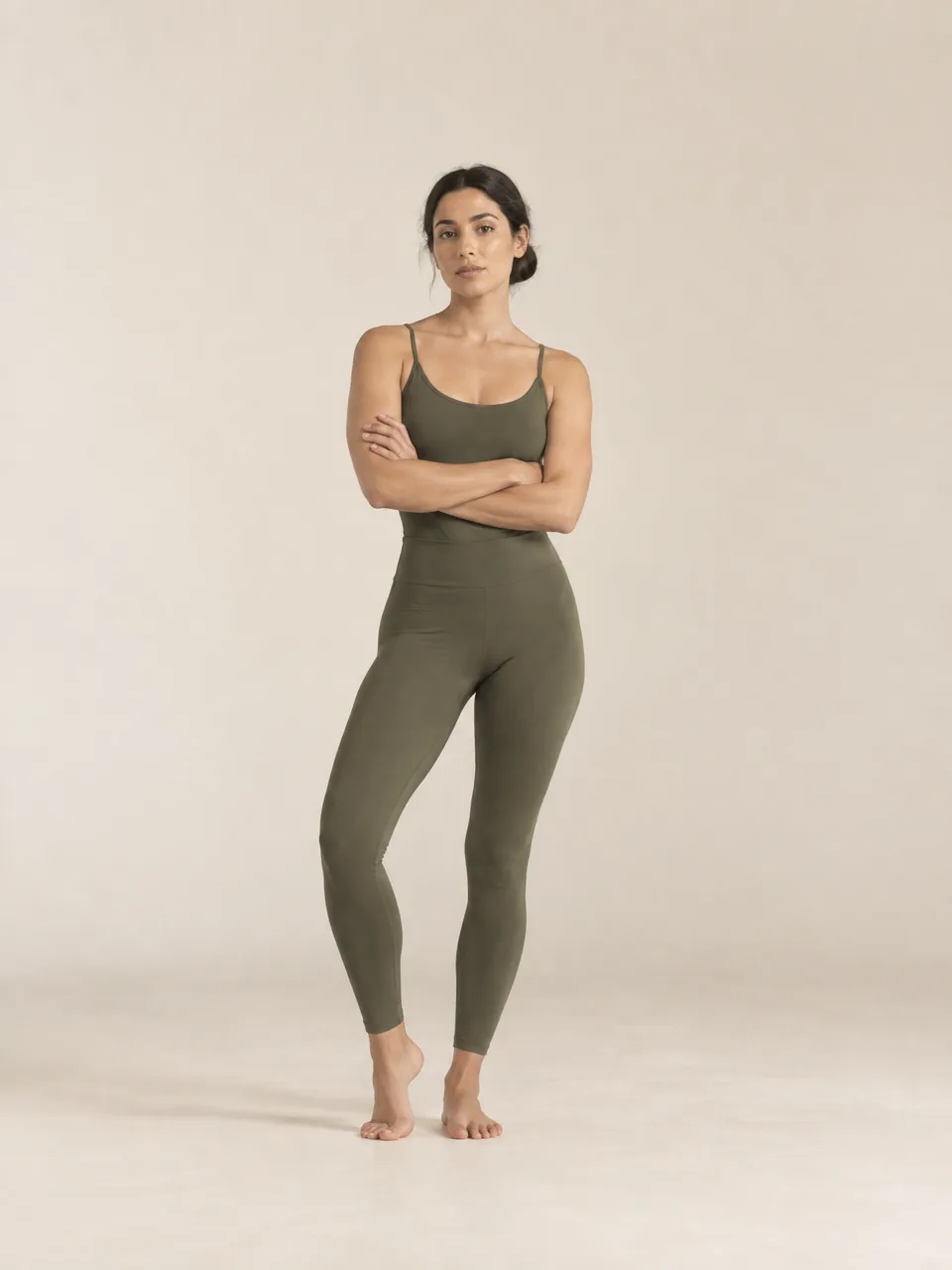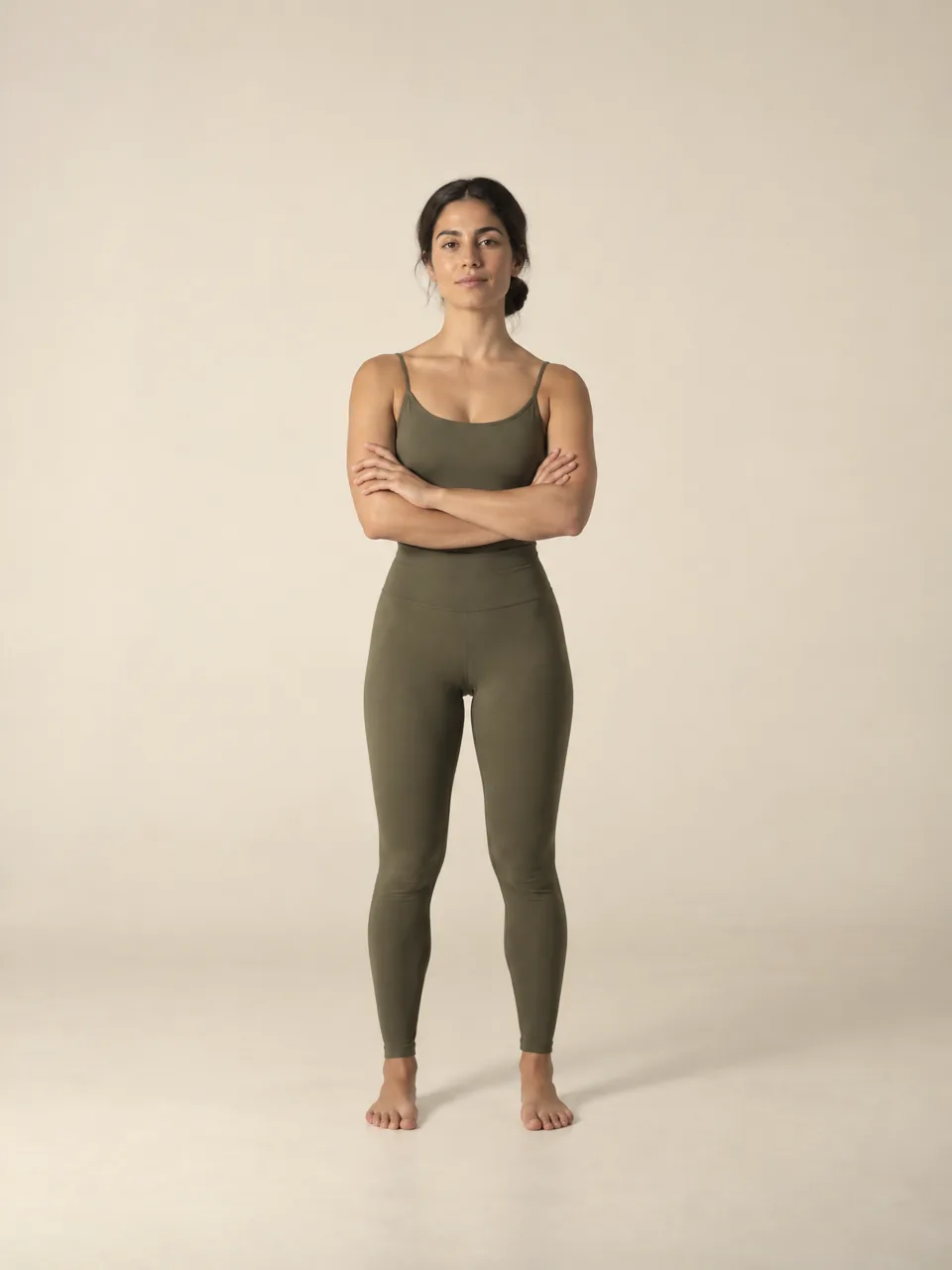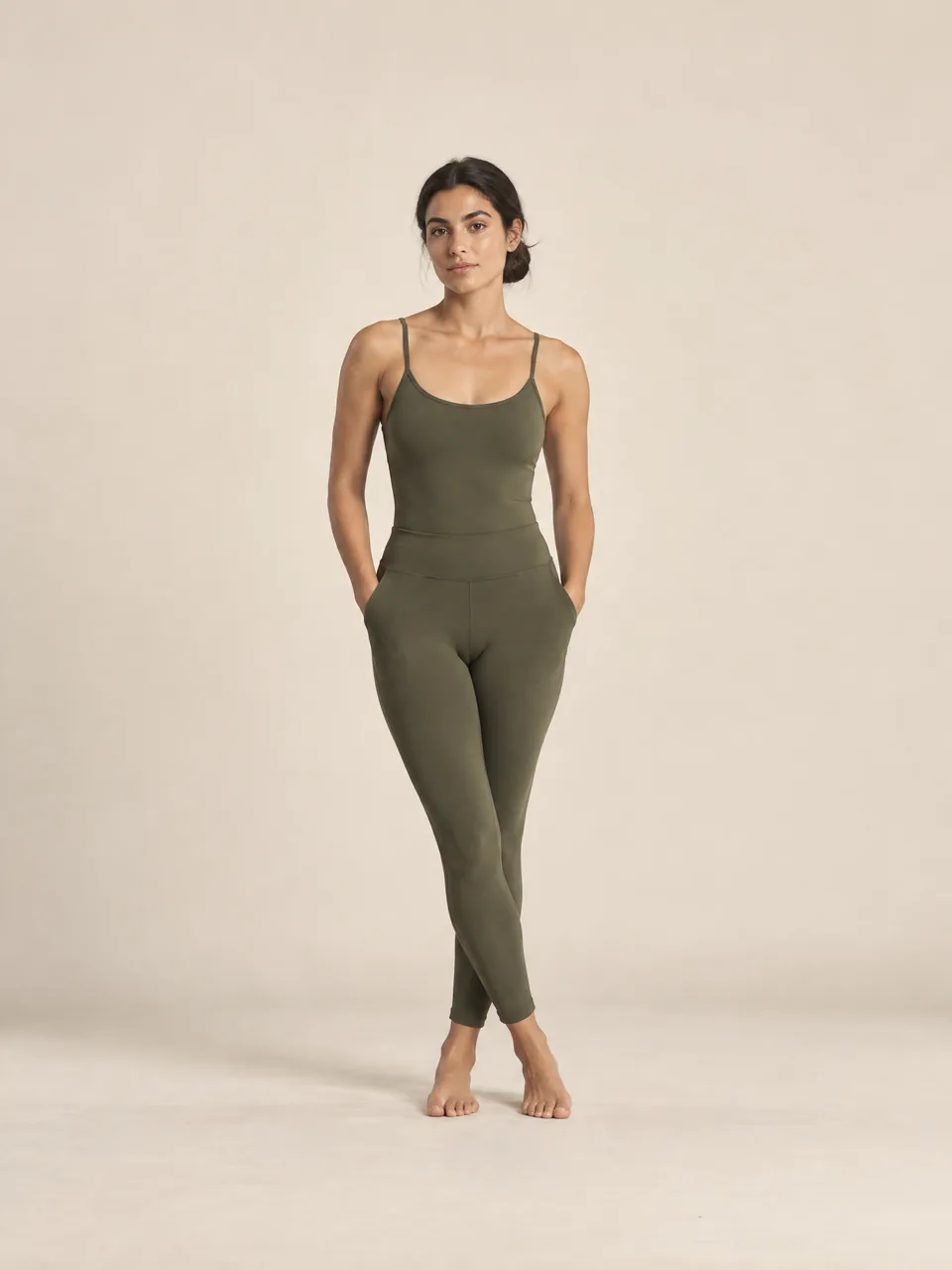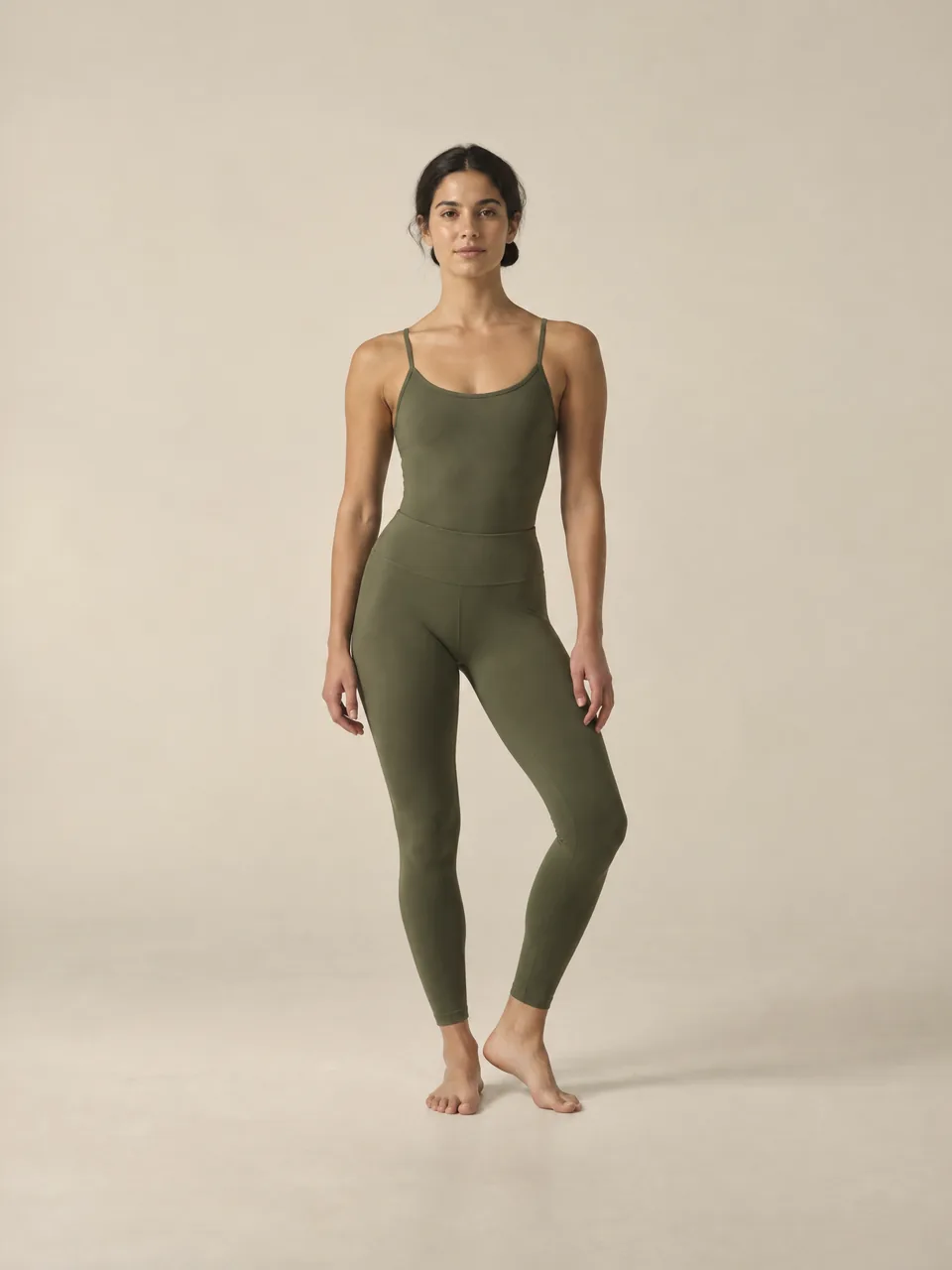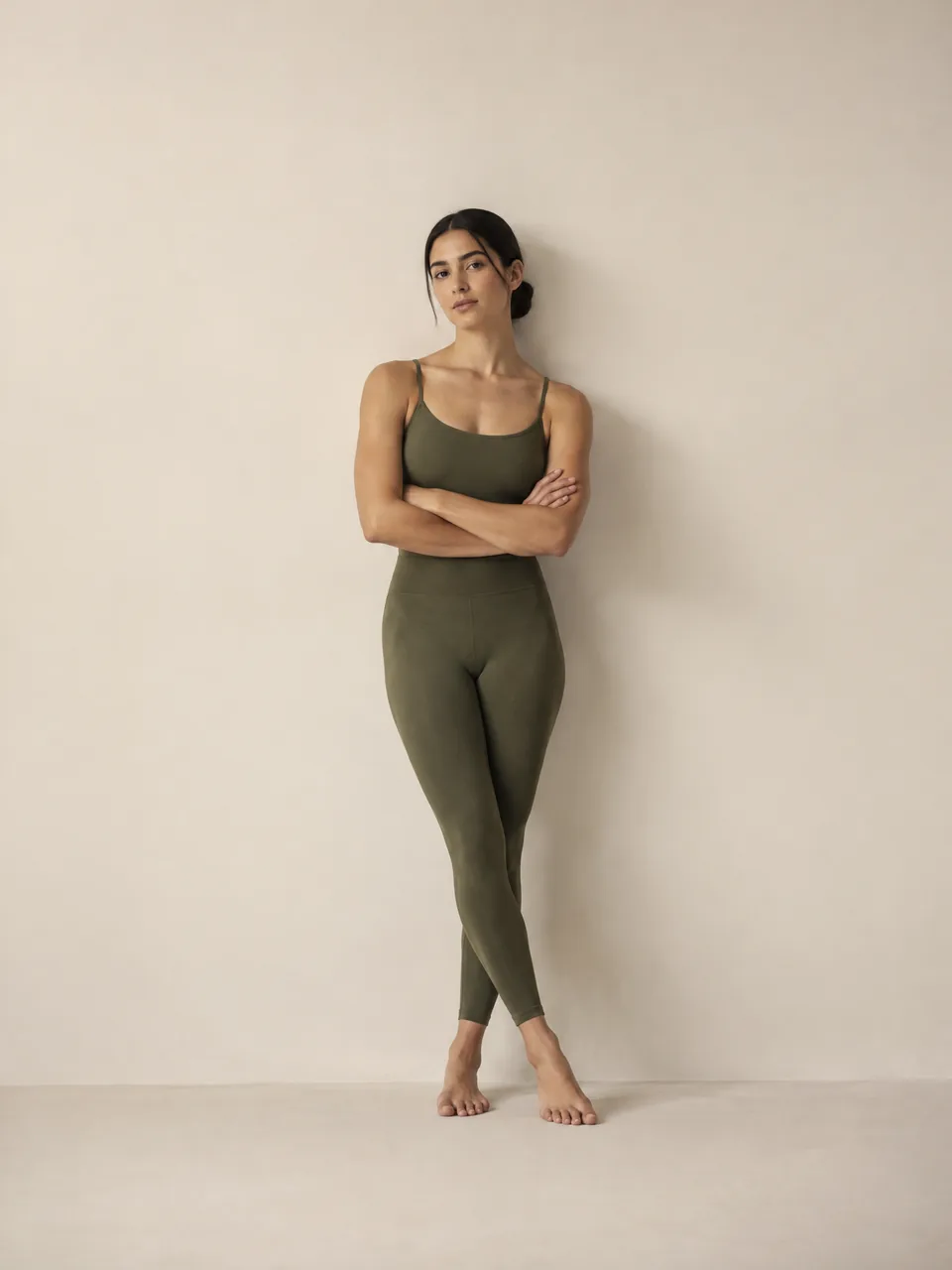
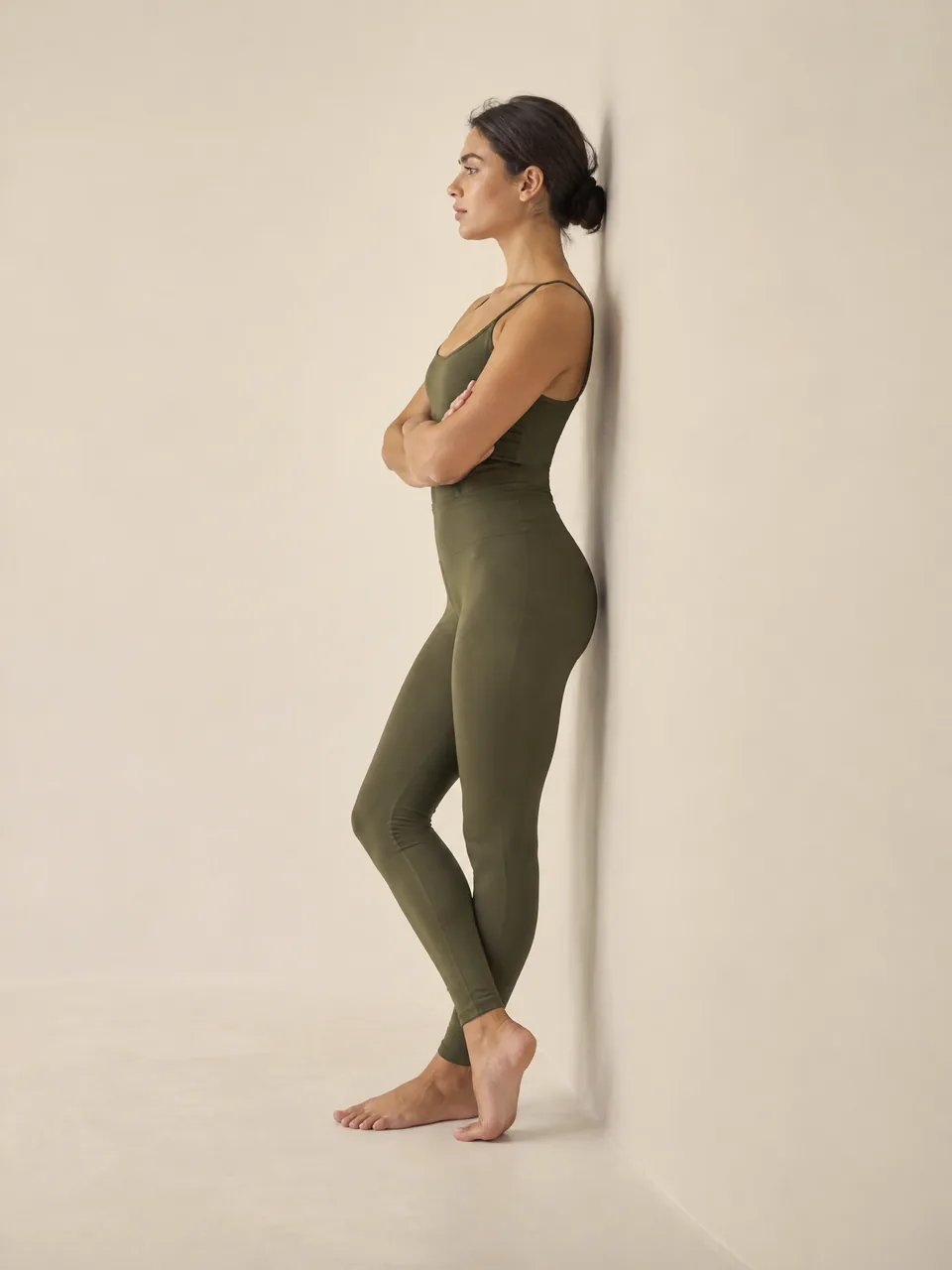
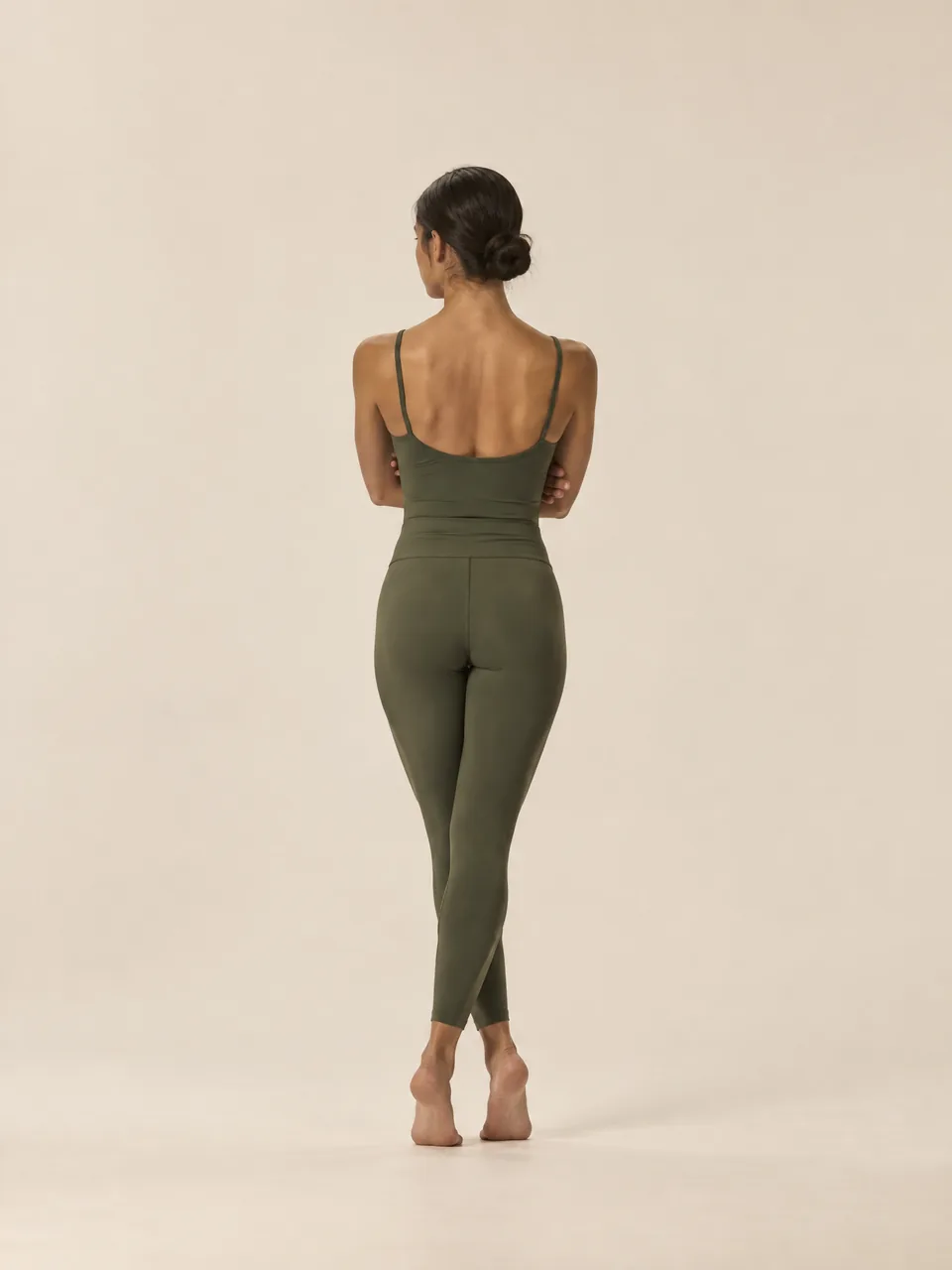
Leaning against a wall
A relaxed standing figure with crossed arms and crossed ankles, resting part of its weight against a vertical surface.
A lean changes the direction of the support. Instead of standing on the feet alone, the figure transfers some load backward onto a wall through the shoulders and upper back, while the feet stay in front. Crossed ankles shorten the base and take even more work away from the legs, which is why the pose reads as relaxed waiting.
Seen from the front the outline is wide at the shoulders and narrow at the feet, with the body angling slightly back from the ankles. The crossed arms add a horizontal band across the chest and drop the shoulders, closing the upper silhouette. Together these make a compact, self-contained shape that works well on a poster edge, beside text, or in a doorway scene.
Draw the vertical of the wall first, then the point where the back meets it. The most frequent mistake is a figure that leans but keeps its weight centered over the ankles, which looks like it is falling; the ankle line has to be clearly forward of the shoulder contact. Keep the crossing of the ankles legible, with the front foot in front of the back ankle and both feet flat on the ground, and remember that crossed arms fold one forearm over the other, not edge to edge.
Drawing notes
- Set the ankle line clearly forward of the shoulder contact with the wall.
- Fold one forearm over the other so the crossed arms show a clear overlap.
- Keep the feet flat even though the ankles cross.
Pose prompt
The description used to generate this study. Copy it into your own workflow, or hand it to the studio with your photo.
Full-body mannequin leaning against a wall, arms crossed and ankles crossed.
Working notes
- A relaxed standing figure with crossed arms and crossed ankles, resting part of its weight against a vertical surface.
- Useful when a composition needs a figure that belongs to an architectural edge.
Put this pose on your own reference
Take this study to the studio and generate a new image in the same pose, or browse the rest of the standing studies first.