Weight shift
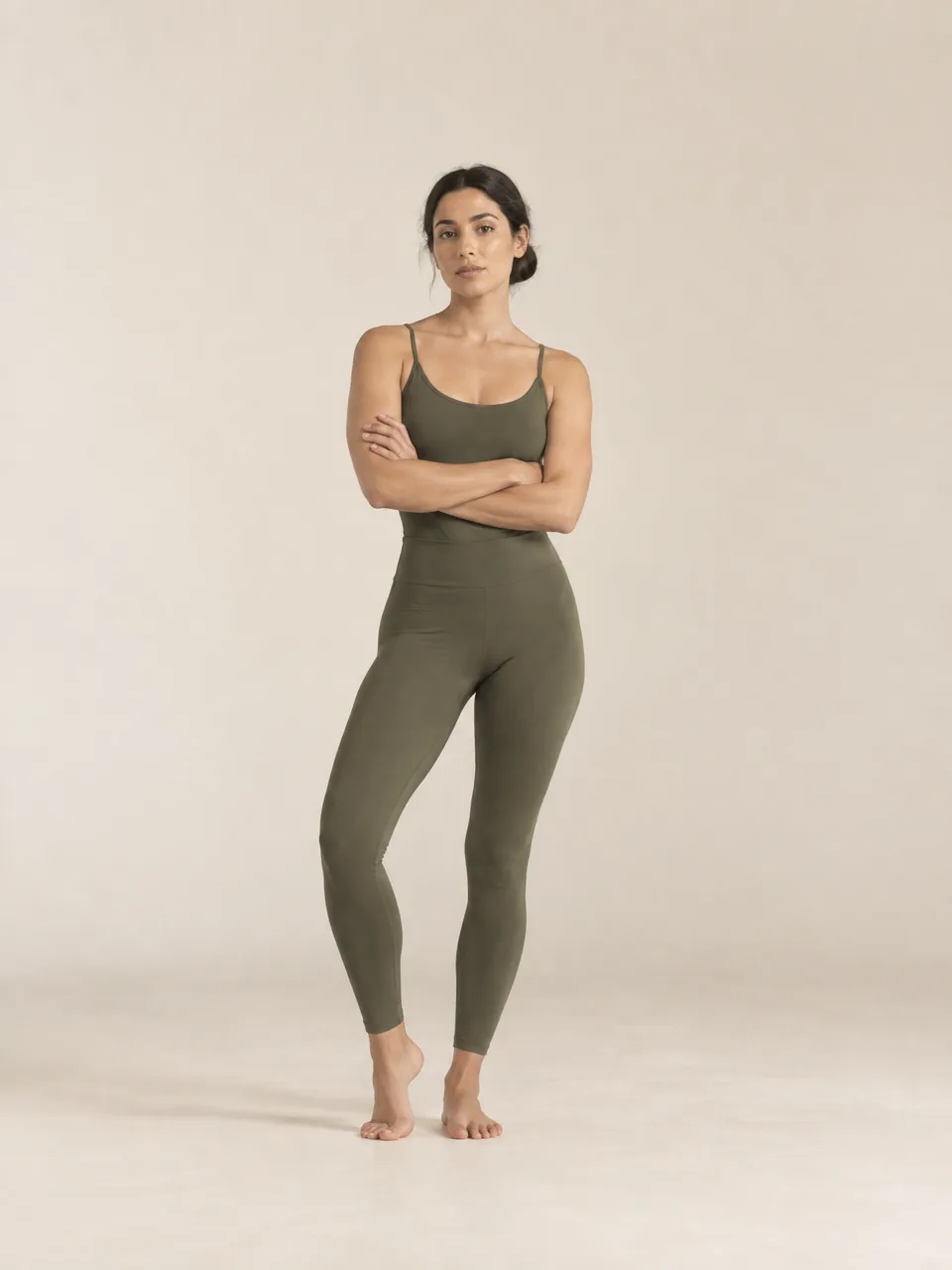
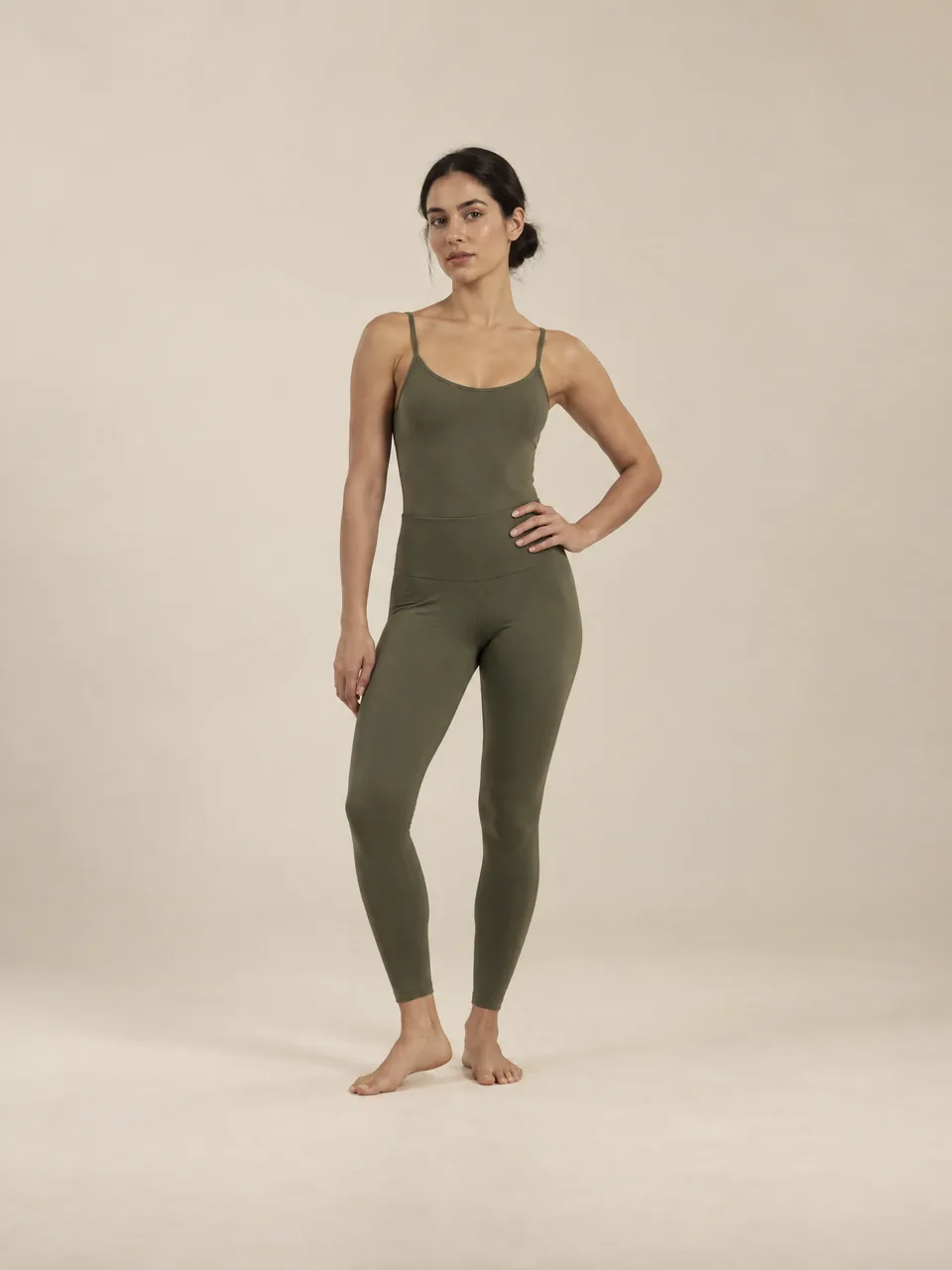
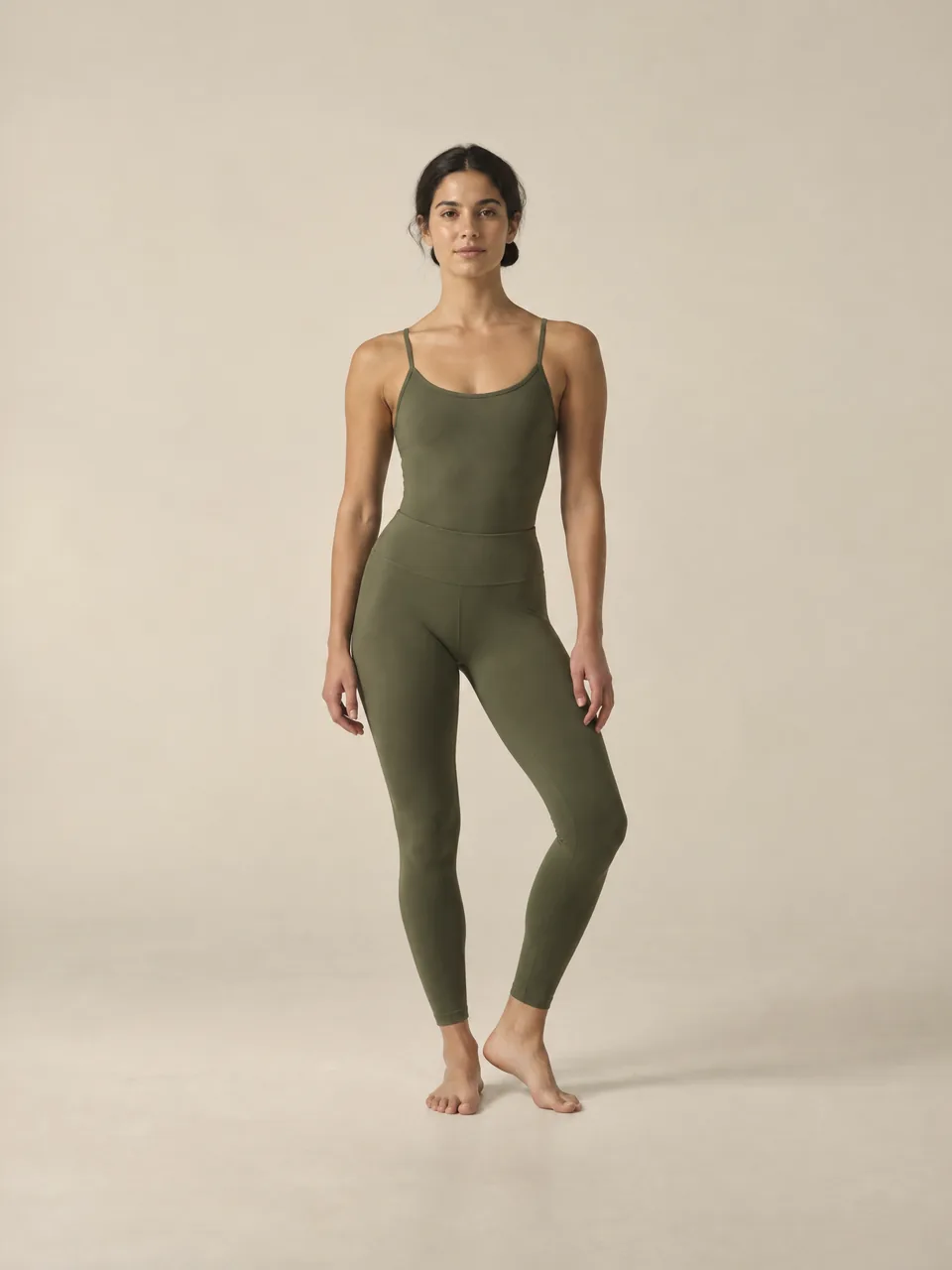
A front-view stance where one leg carries the body and the hip counter-rises, breaking the symmetry.
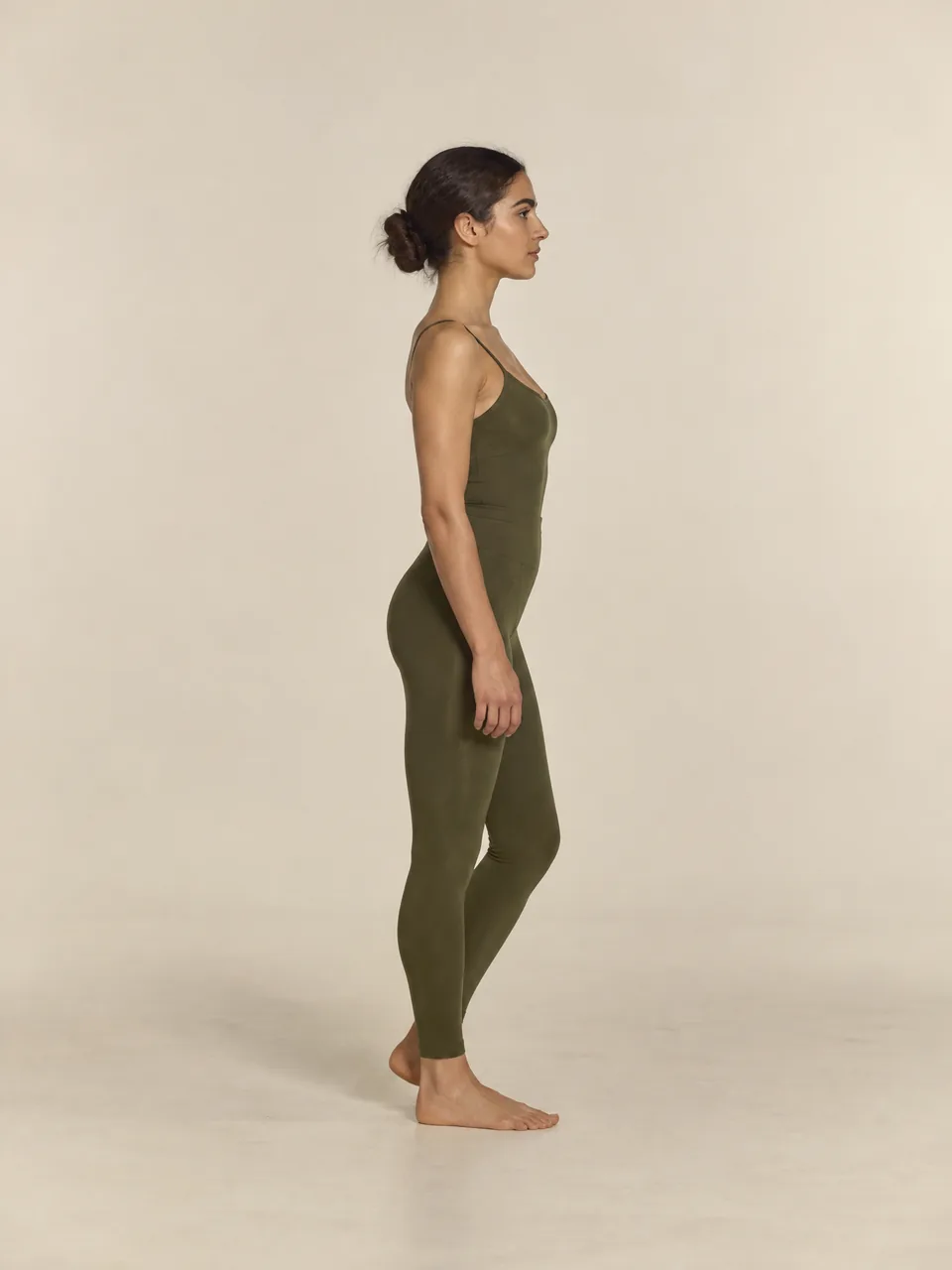
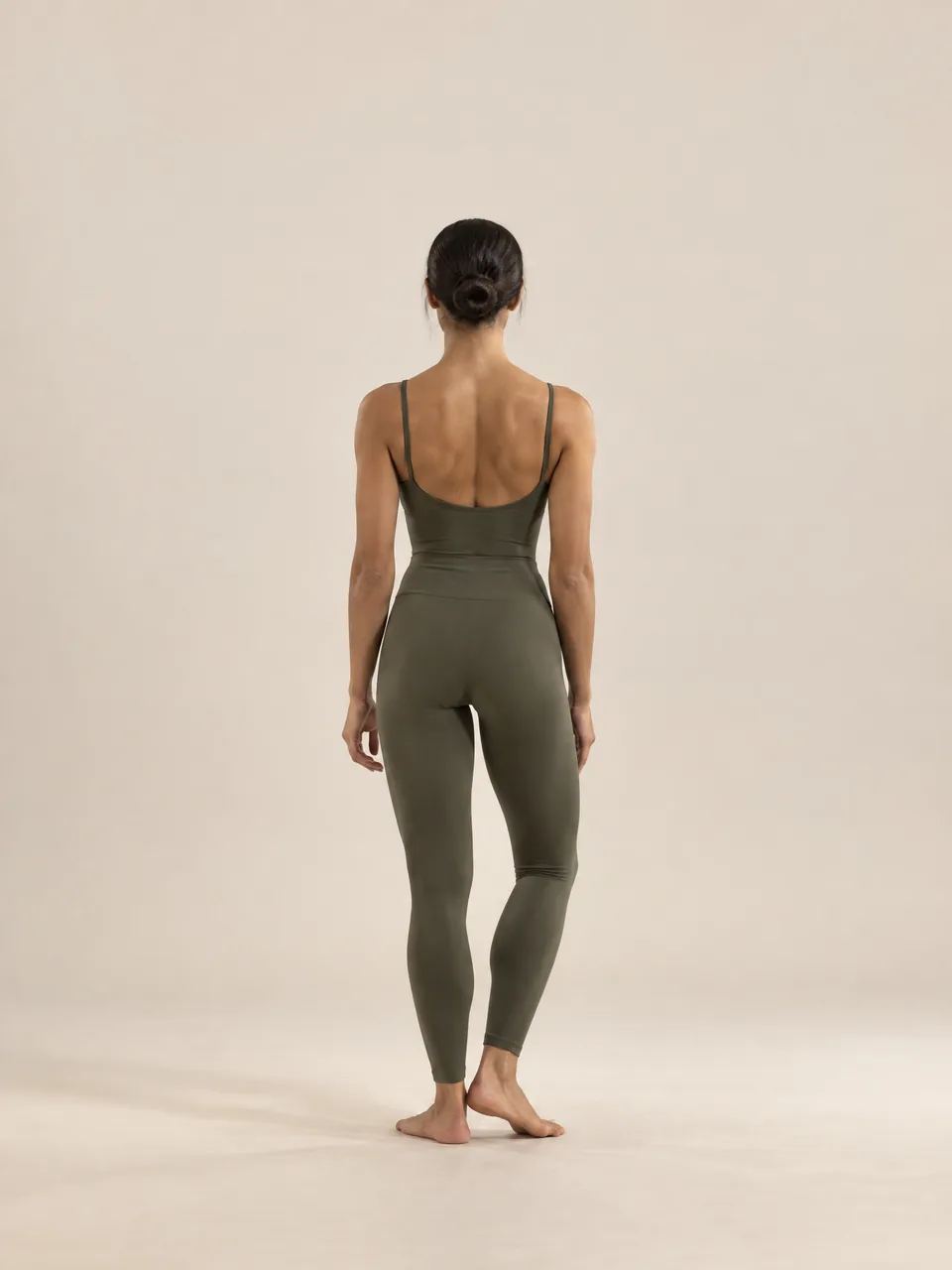
Shift the load onto one leg and the body instantly stops being symmetrical. The supporting side compresses, that hip lifts, and the pelvis tilts; the free leg relaxes, usually with the knee slightly bent and the foot turned out. Upward from there the torso leans back toward the carrying side to bring the head over the foot.
This is the smallest possible amount of attitude, so it is worth studying closely. The figure is still standing, still readable, and yet the whole character of the pose has changed from neutral to idle. That makes it the right reference for any character standing around in a scene: waiting, listening, thinking, about to move.
Artists routinely flatten this pose by keeping the hips level and only bending one knee. The hip has to rise on the loaded side, or the torso cannot counter-lean and the figure reads as a mannequin with a broken leg. Draw a single curve from the supporting foot up through the lifted hip to the opposite shoulder, and let the head sit slightly off center above that curve rather than in the exact middle of the shoulders.
Drawing notes
- Lift the hip on the loaded side and lean the torso back toward it.
- Draw one curve from the support foot through the raised hip to the opposite shoulder.
- Place the head slightly off the midpoint of the shoulder line.
Pose prompt
The description used to generate this study. Copy it into your own workflow, or hand it to the studio with your photo.
Full-body mannequin standing with weight shifted onto one leg, front view.
Working notes
- A front-view stance where one leg carries the body and the hip counter-rises, breaking the symmetry.
- The asymmetry here is small on purpose; exaggerate it only if the silhouette needs to read at small sizes.
Put this pose on your own reference
Take this study to the studio and generate a new image in the same pose, or browse the rest of the standing studies first.