Sitting upright
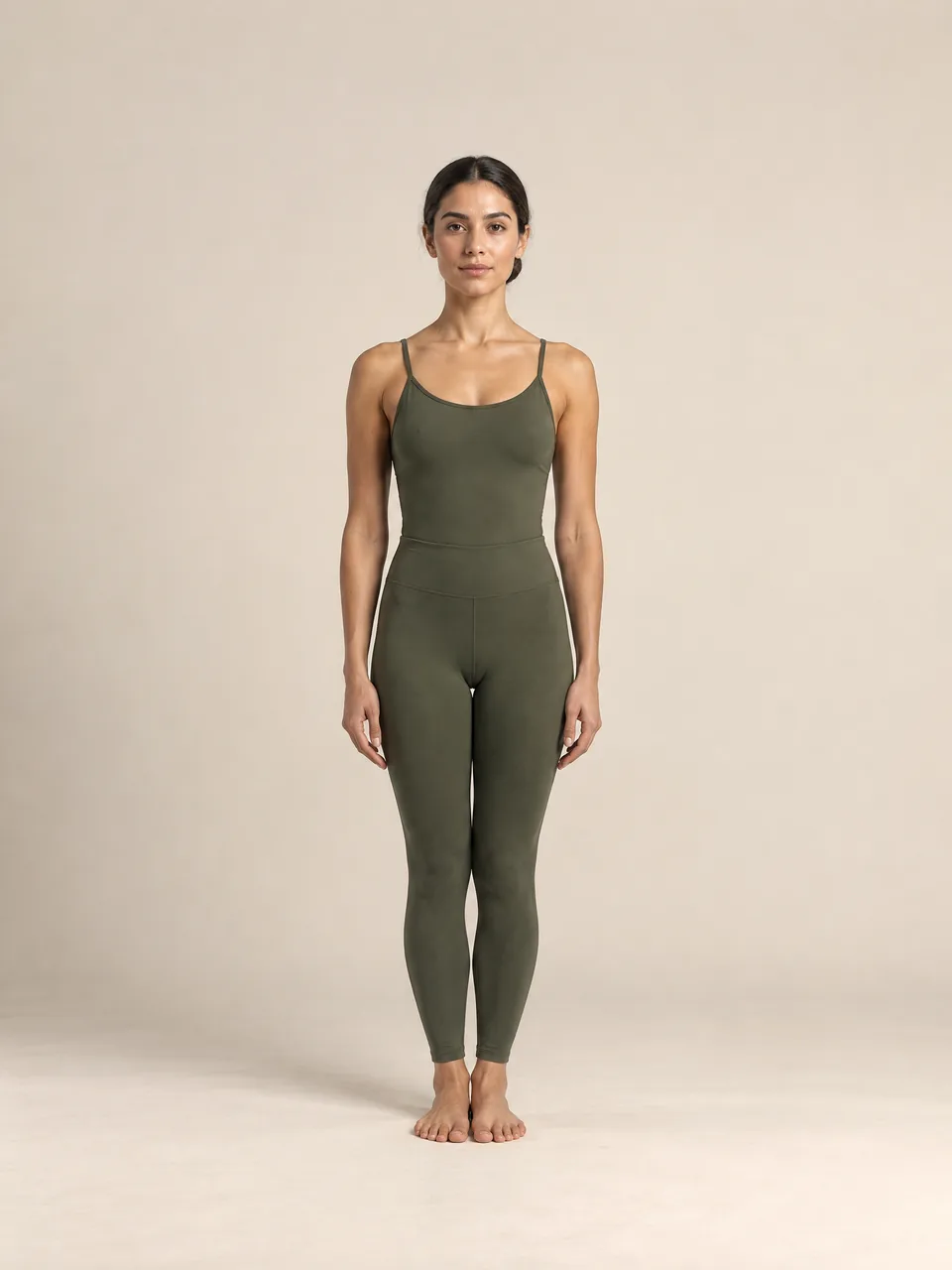
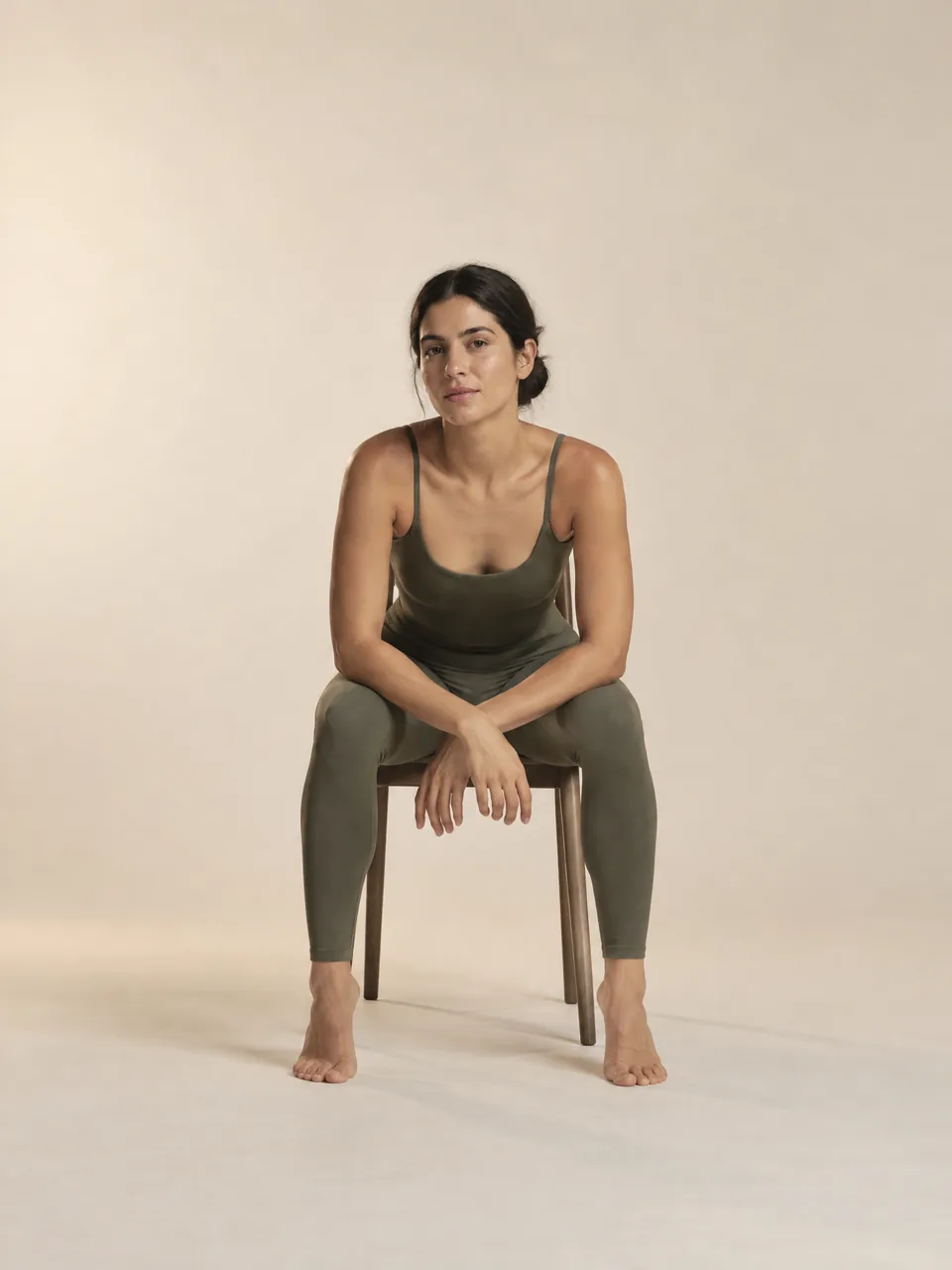
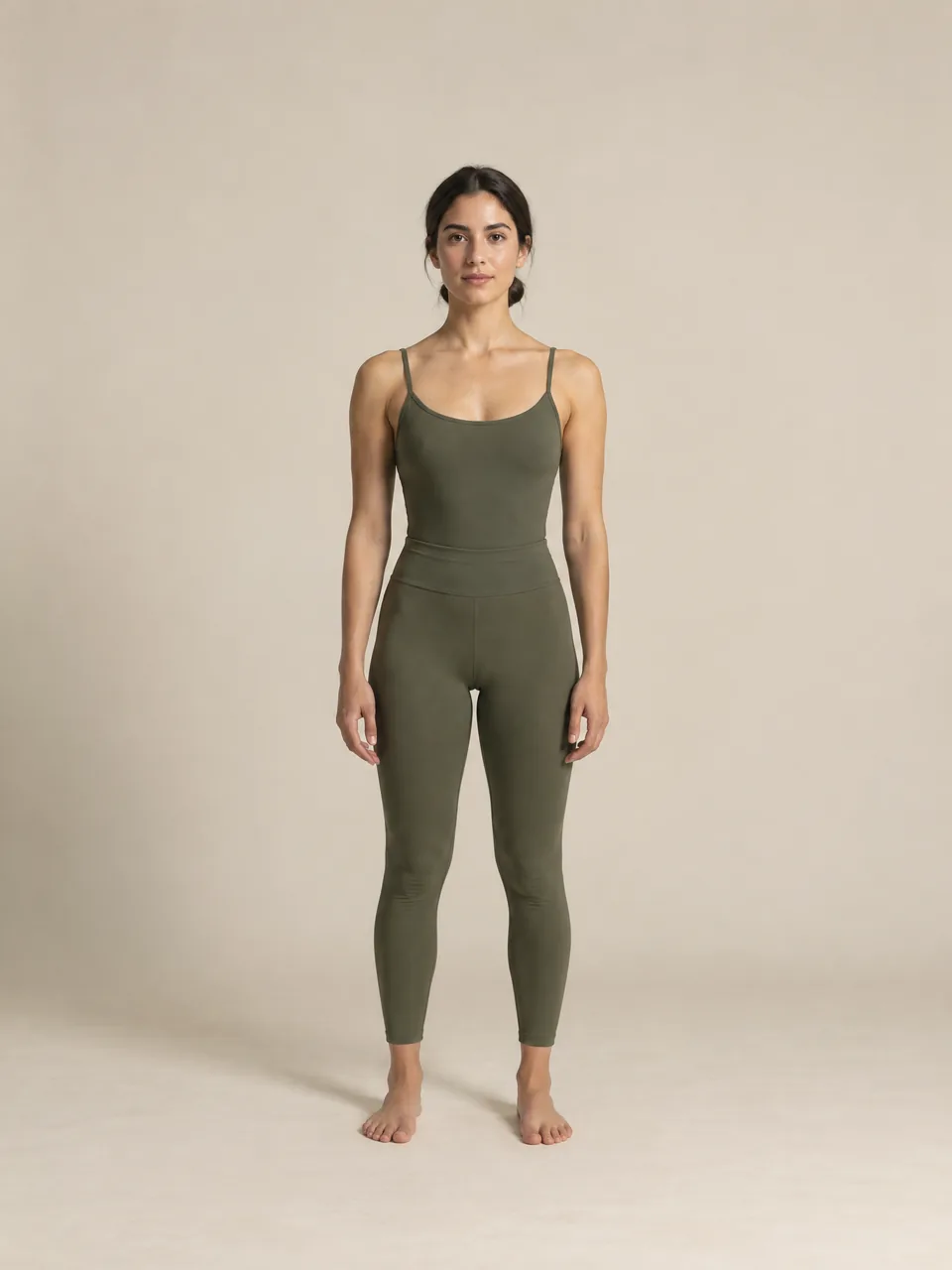
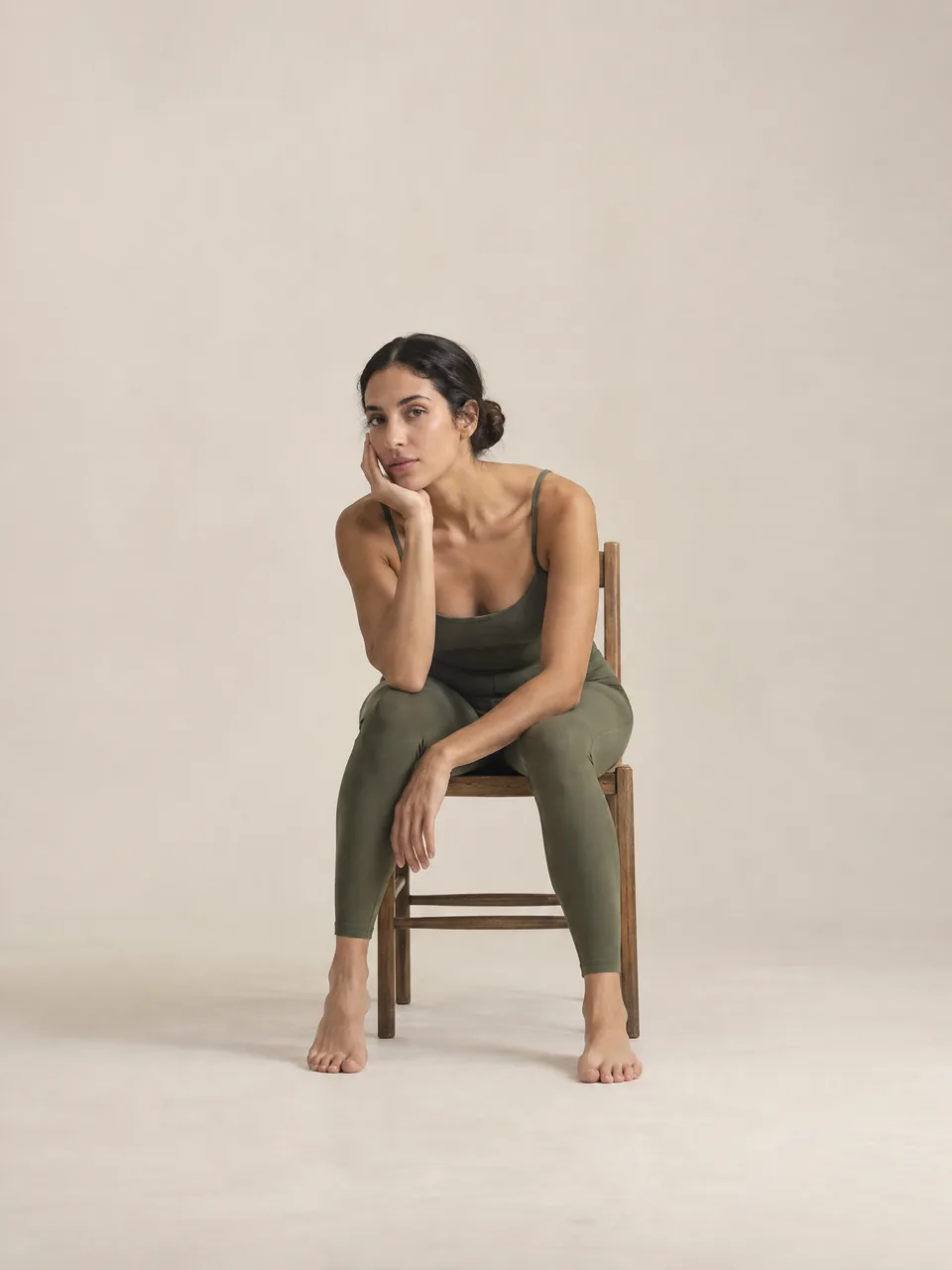
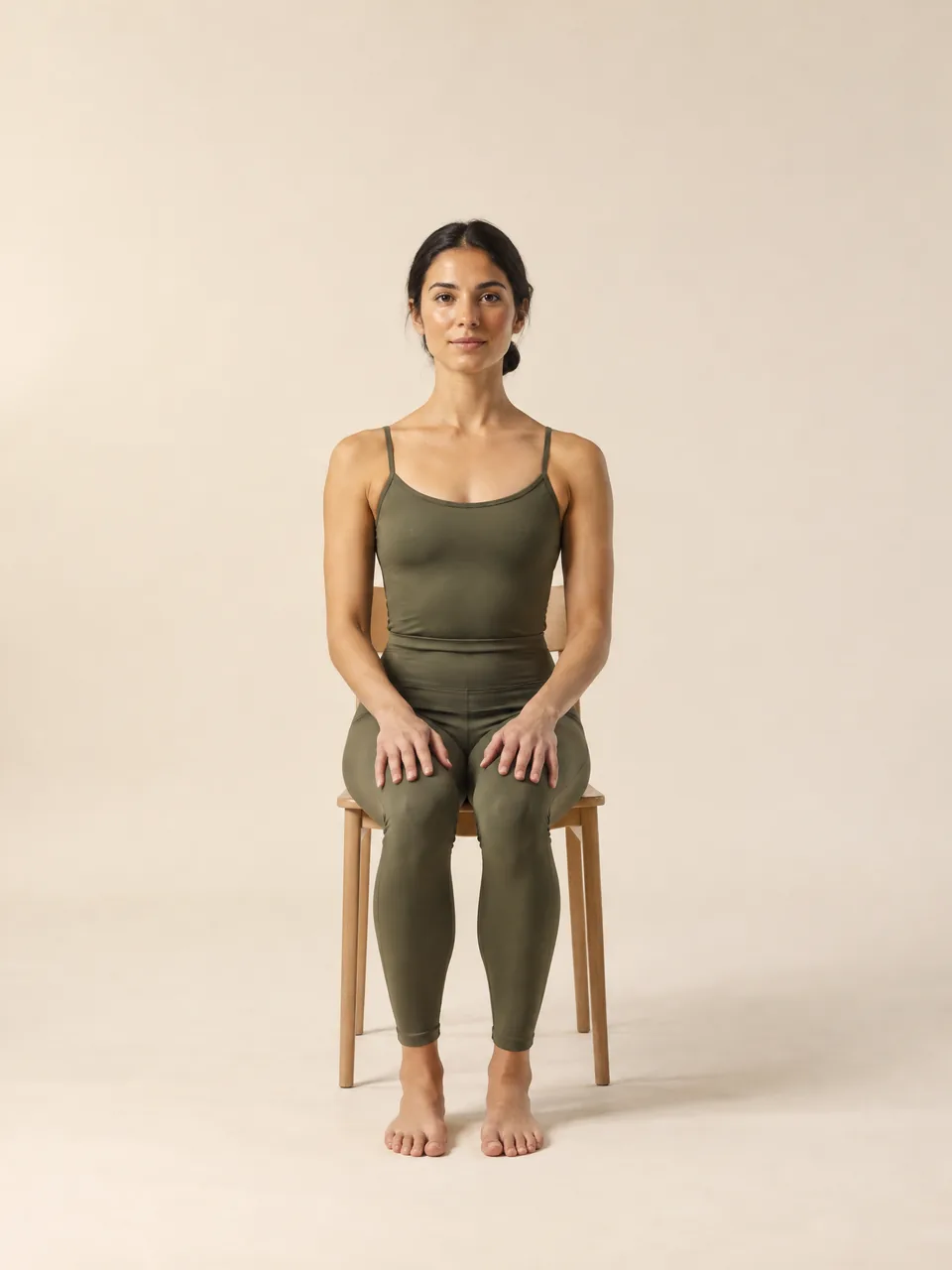
A square seated figure on a chair, hands resting on the knees and both feet flat.
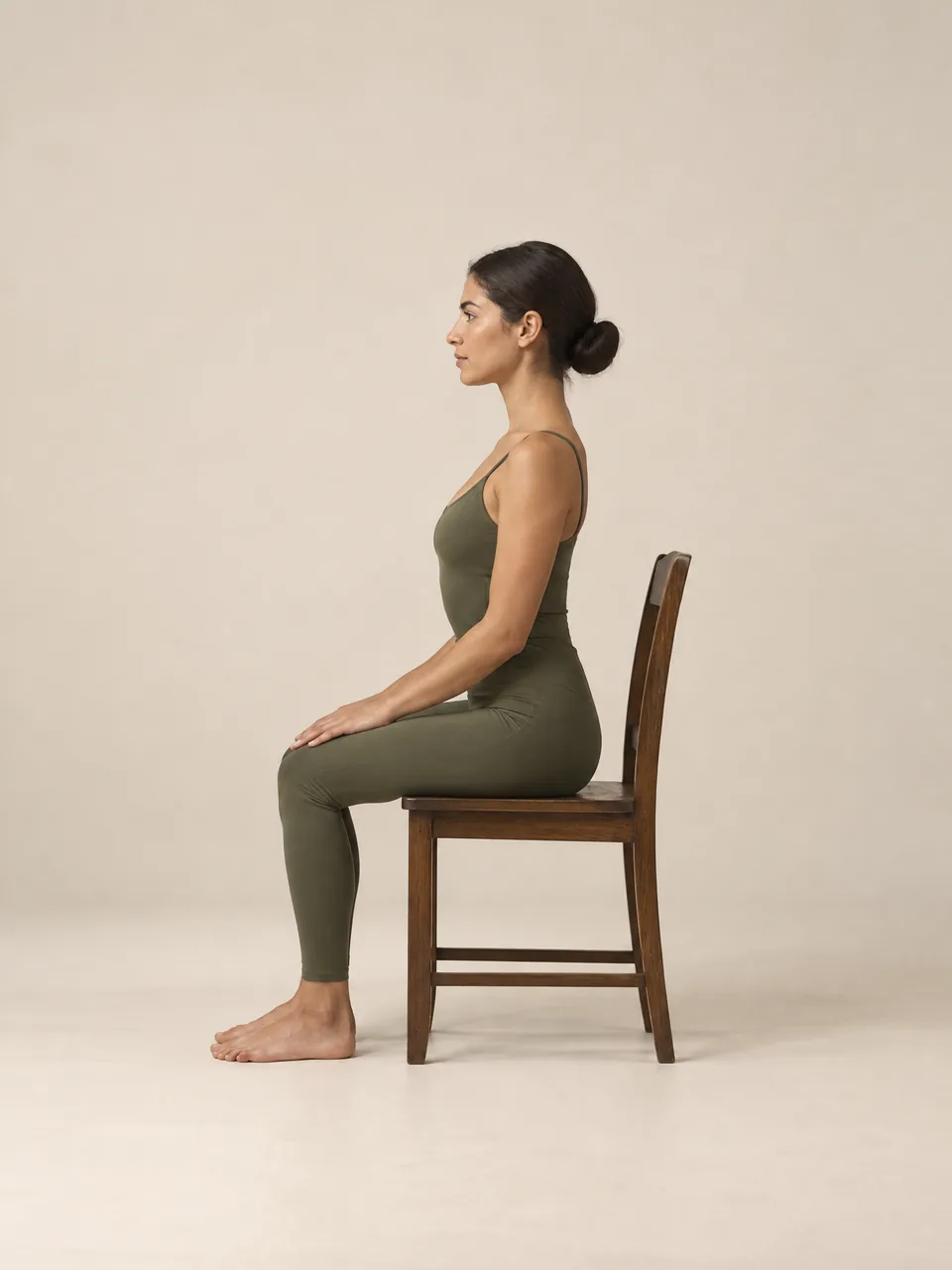
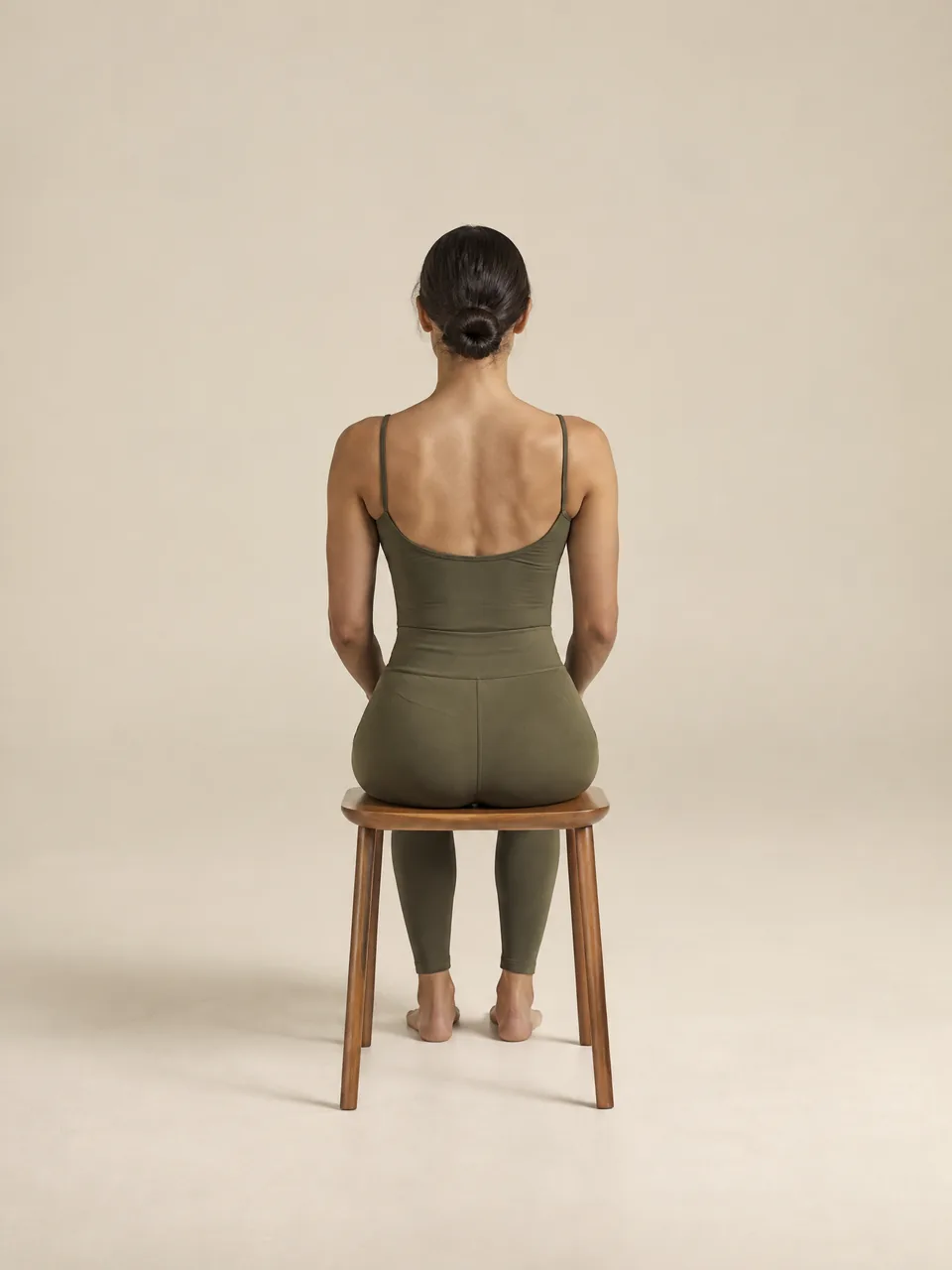
Think of this as the reference point for all seated poses. The pelvis sits at the back of the seat, both feet are flat on the floor with the knees bent to roughly a right angle, and the hands rest on the knees. The torso is vertical and the shoulders are level, so the front view is remarkably simple.
Simplicity is the value here: it isolates how a seated body stacks. You can study the way the thighs project toward the camera and foreshorten, how the torso sits on the hip bones, and where the hands land when the arms hang relaxed. It works as a neutral character pose for dialogue scenes, for interiors and for a portrait crop at seated height.
The frequent error is drawing a standing figure with a folded bottom half. Watch the knees: because the thighs come toward the viewer, the knees overlap the shins and everything below the knee is hidden except the feet. Also make sure the chair seat is not wider than the hips in perspective and that the hands hold the knees from above rather than hovering in front of them. Then check the feet, which should be flat and pointing forward, not splayed.
Drawing notes
- Let the knees overlap the shins so the thigh foreshortening reads correctly.
- Rest the hands on top of the knees, not in the air in front of them.
- Keep both feet flat and pointing forward.
Pose prompt
The description used to generate this study. Copy it into your own workflow, or hand it to the studio with your photo.
Adult woman sitting upright on a chair, hands on knees, full body, front view.
Working notes
- A square seated figure on a chair, hands resting on the knees and both feet flat.
- Chair front views are useful baselines; change only one variable at a time when you draw variations.
Put this pose on your own reference
Take this study to the studio and generate a new image in the same pose, or browse the rest of the seated studies first.