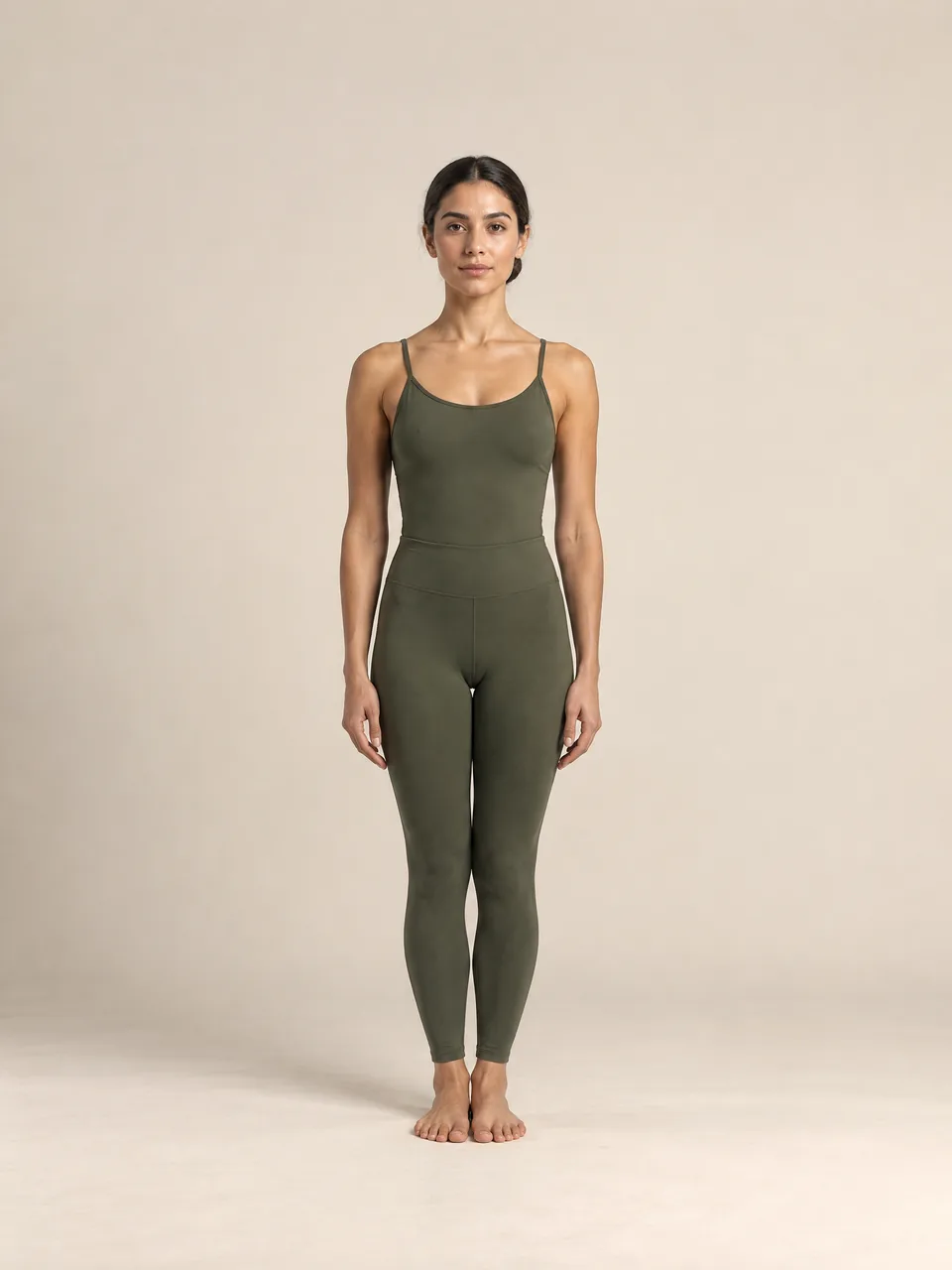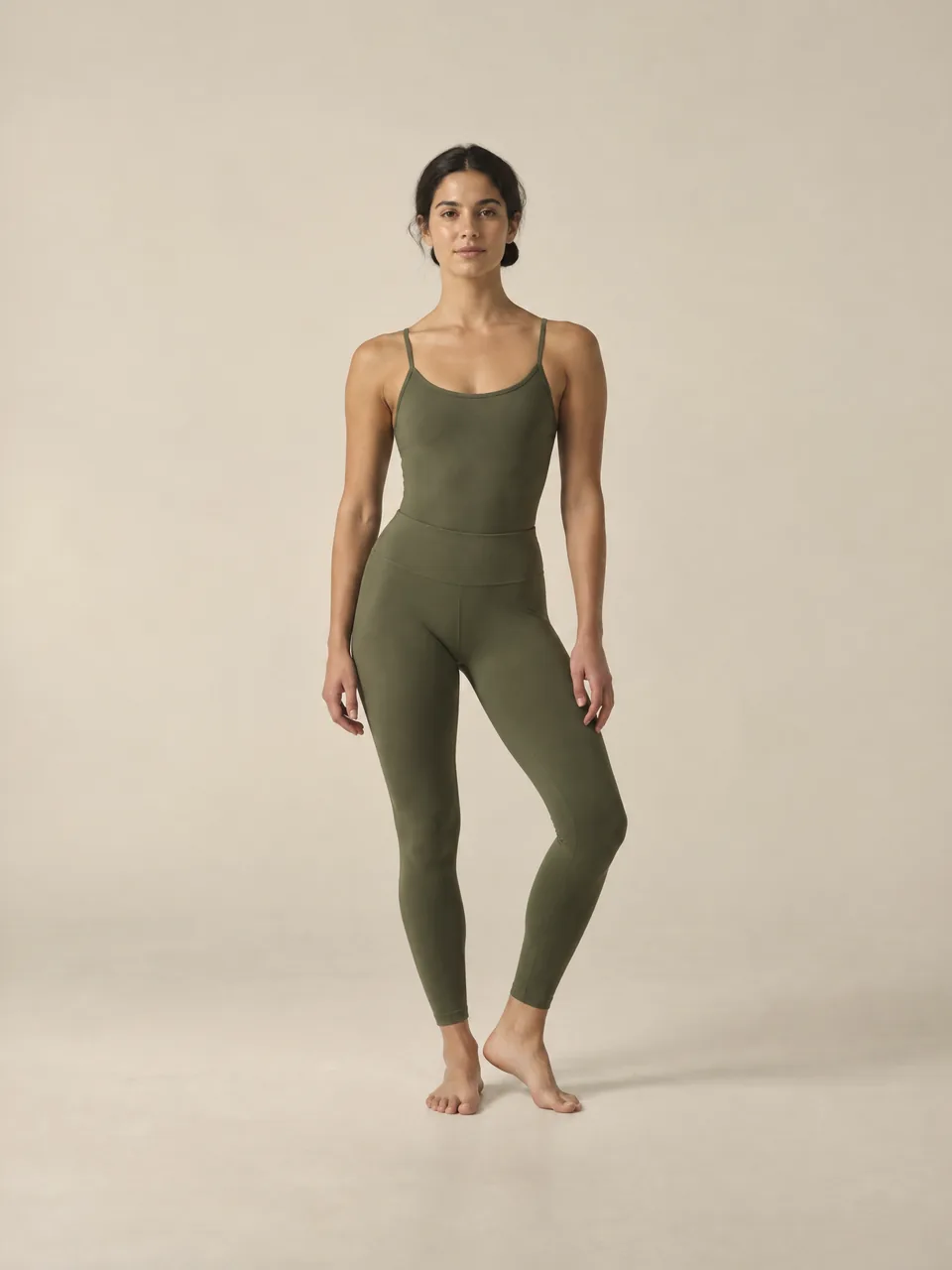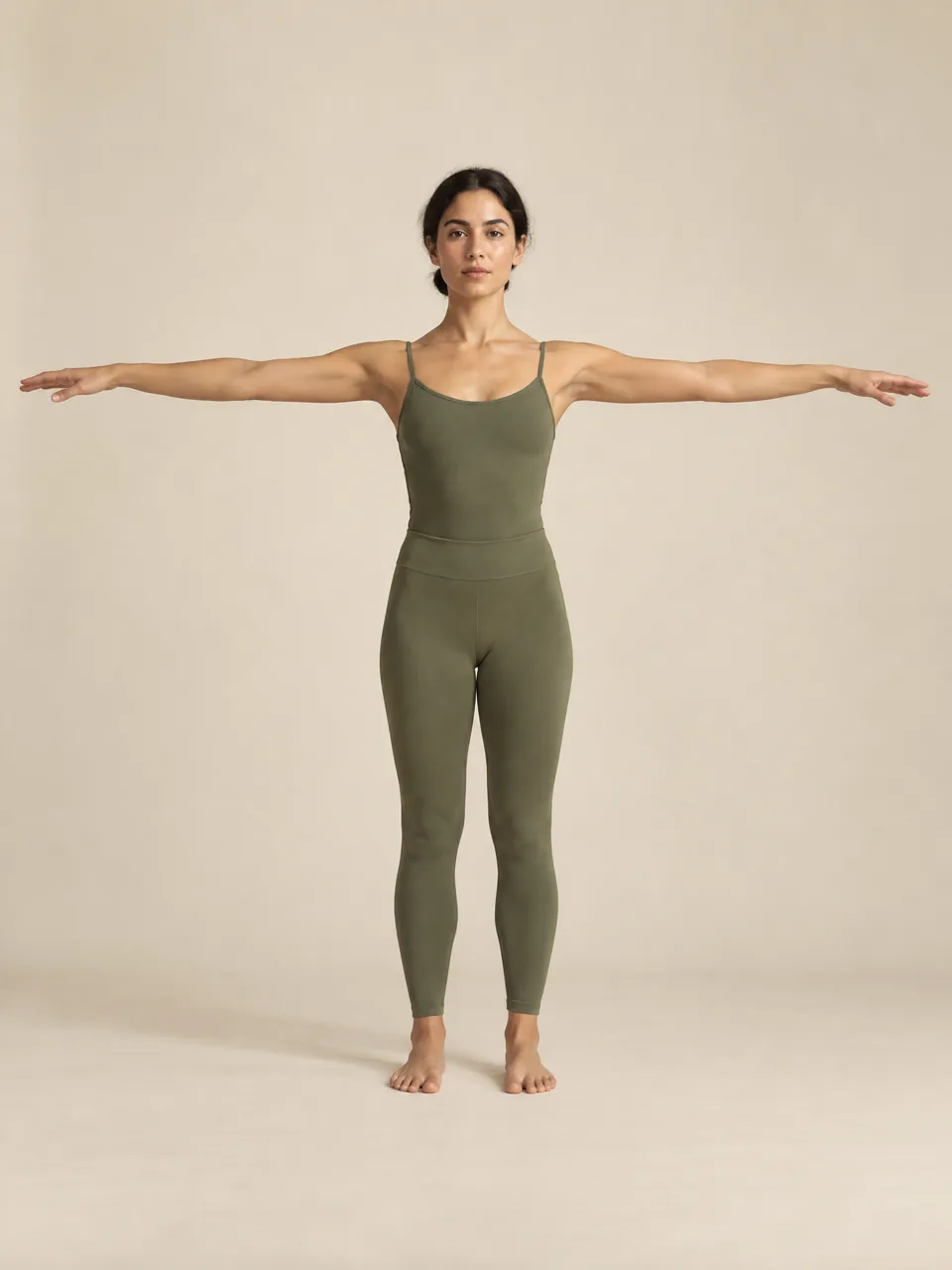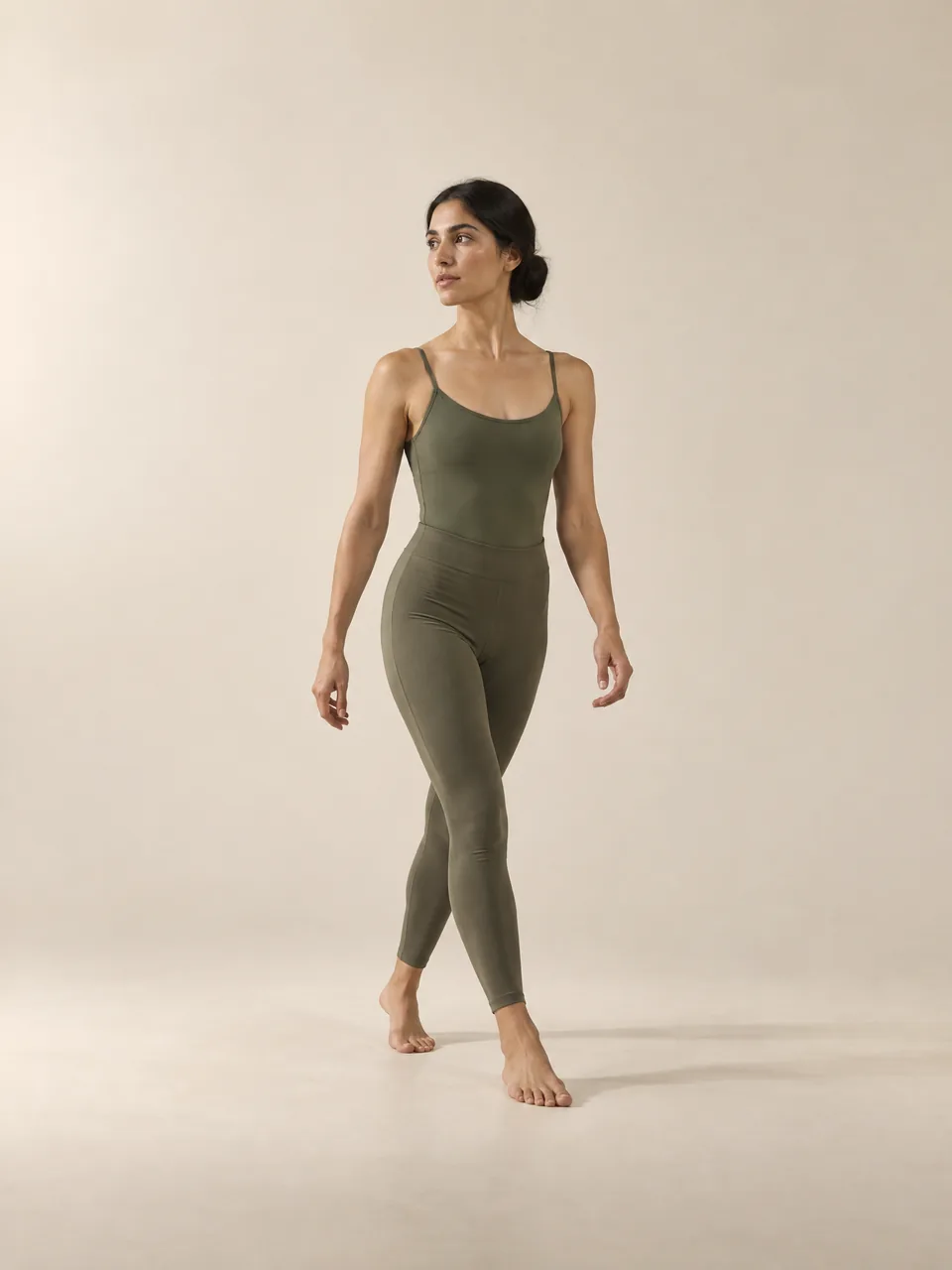
Neutral stance
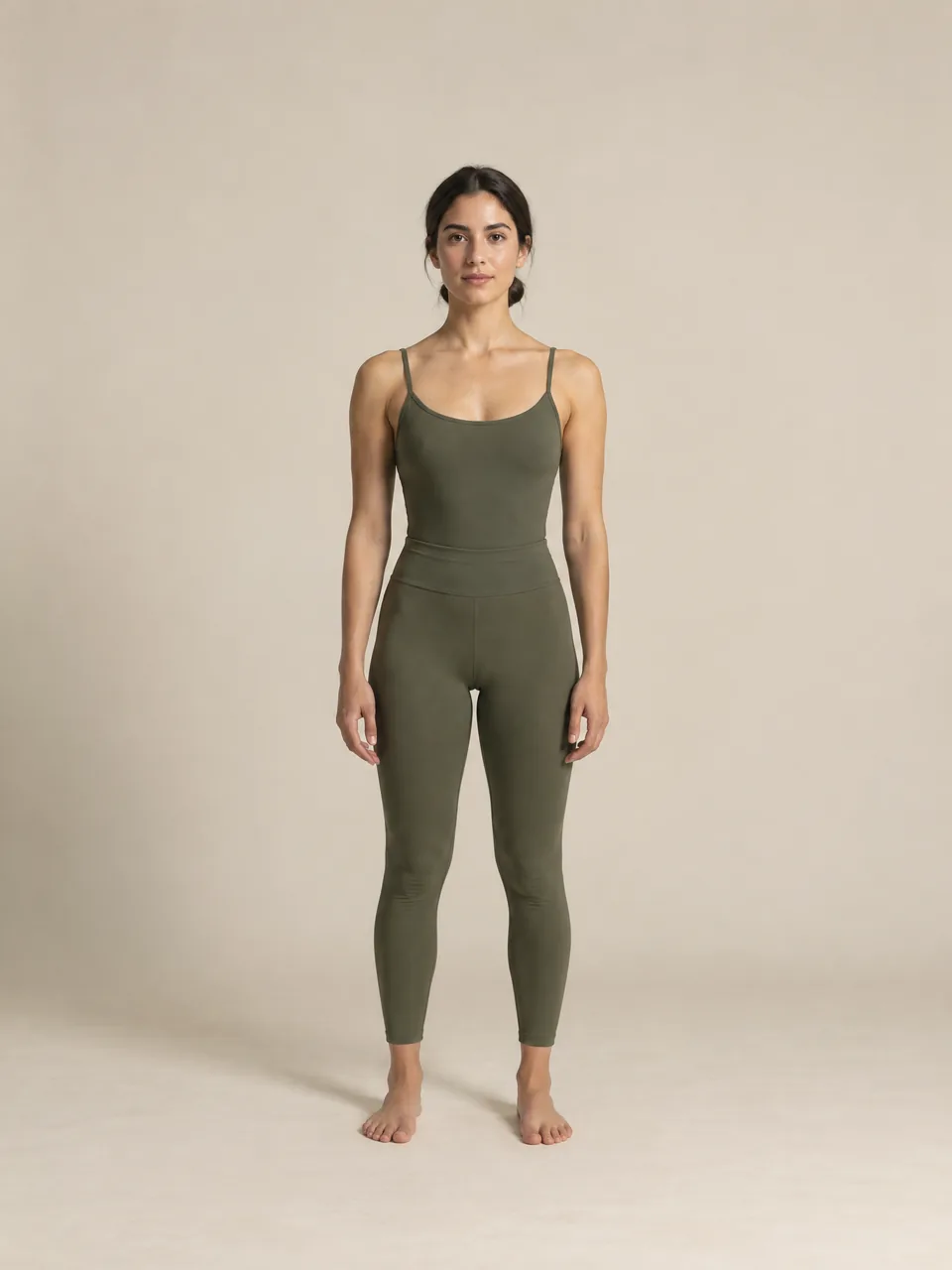
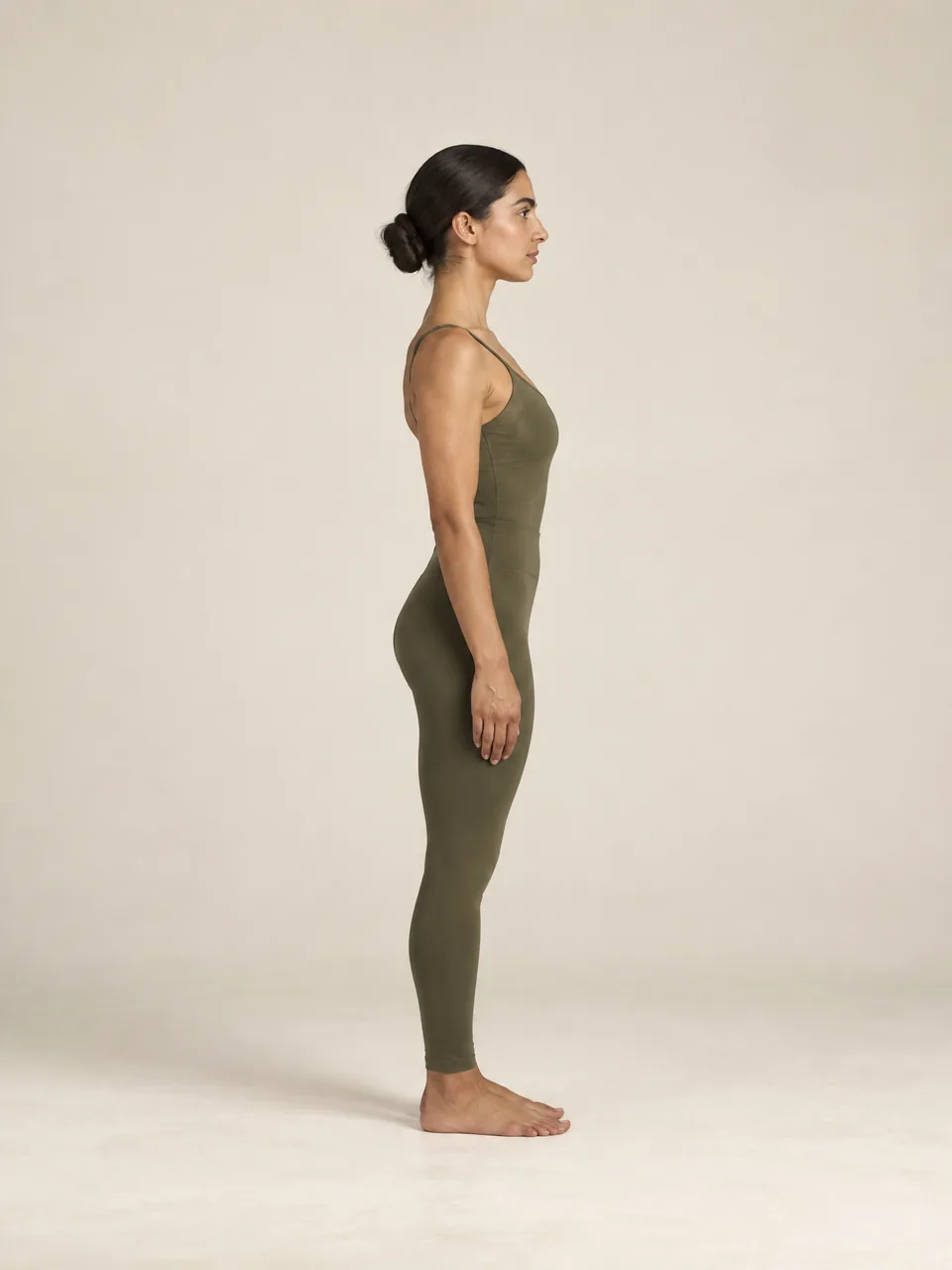
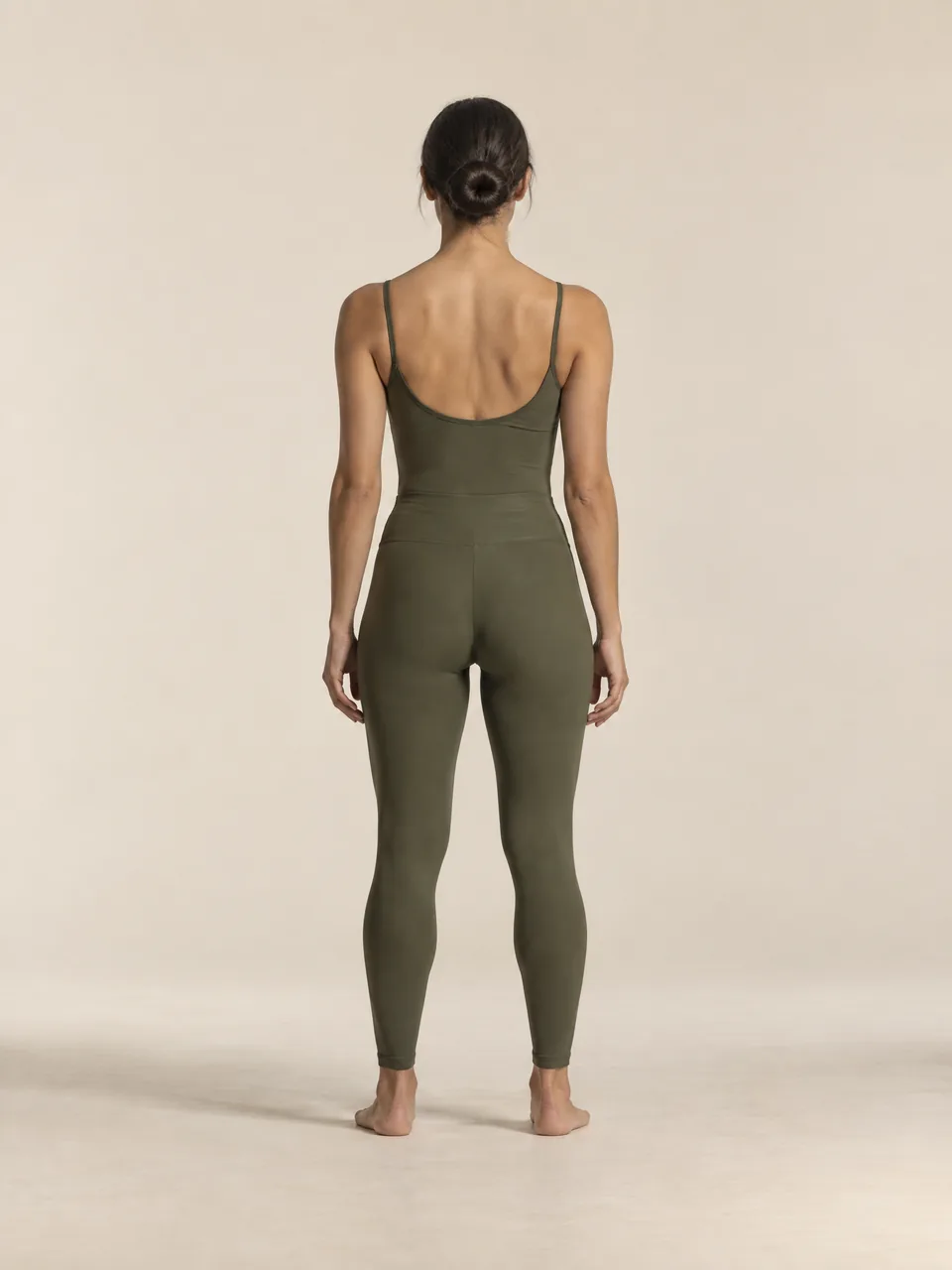
A plain front-facing figure study with the feet slightly apart and no gesture in the arms.
A mannequin figure in front view removes the distractions of texture and clothing and leaves the structural questions exposed. The feet are set a little apart, toes pointing forward, so the base is a short horizontal. The arms hang without tension, and because nothing crosses the body, the outline is a clean series of widths.
Treat this as the measuring plate for everything else in the library. It shows where the shoulder width sits relative to the hips, how much of the forearm falls below the waist, and how the ankles taper into the feet. When a more dramatic pose looks wrong, this is the view you compare it against.
The main thing to get right is the tilt of the pelvis over two even legs. Level hips do not mean a flat line: they mean equal compression in both knees and a slight natural curve at the waist. Draw through the landmarks, the pit of the neck, the two hip points and the ankles, before you outline anything, and keep the feet the same length in perspective rather than drawing the far foot narrower out of habit.
Drawing notes
- Draw landmarks first: neck pit, both hip points and both ankles.
- Match both feet for length; the far foot is not automatically narrower.
- Keep both knees equally soft instead of locking one to level the hips.
Pose prompt
The description used to generate this study. Copy it into your own workflow, or hand it to the studio with your photo.
Full-body mannequin standing in a neutral stance, front view.
Working notes
- A plain front-facing figure study with the feet slightly apart and no gesture in the arms.
- A mannequin base like this pairs well with later variations that add weight or gesture on top.
Put this pose on your own reference
Take this study to the studio and generate a new image in the same pose, or browse the rest of the standing studies first.