Looking to the side
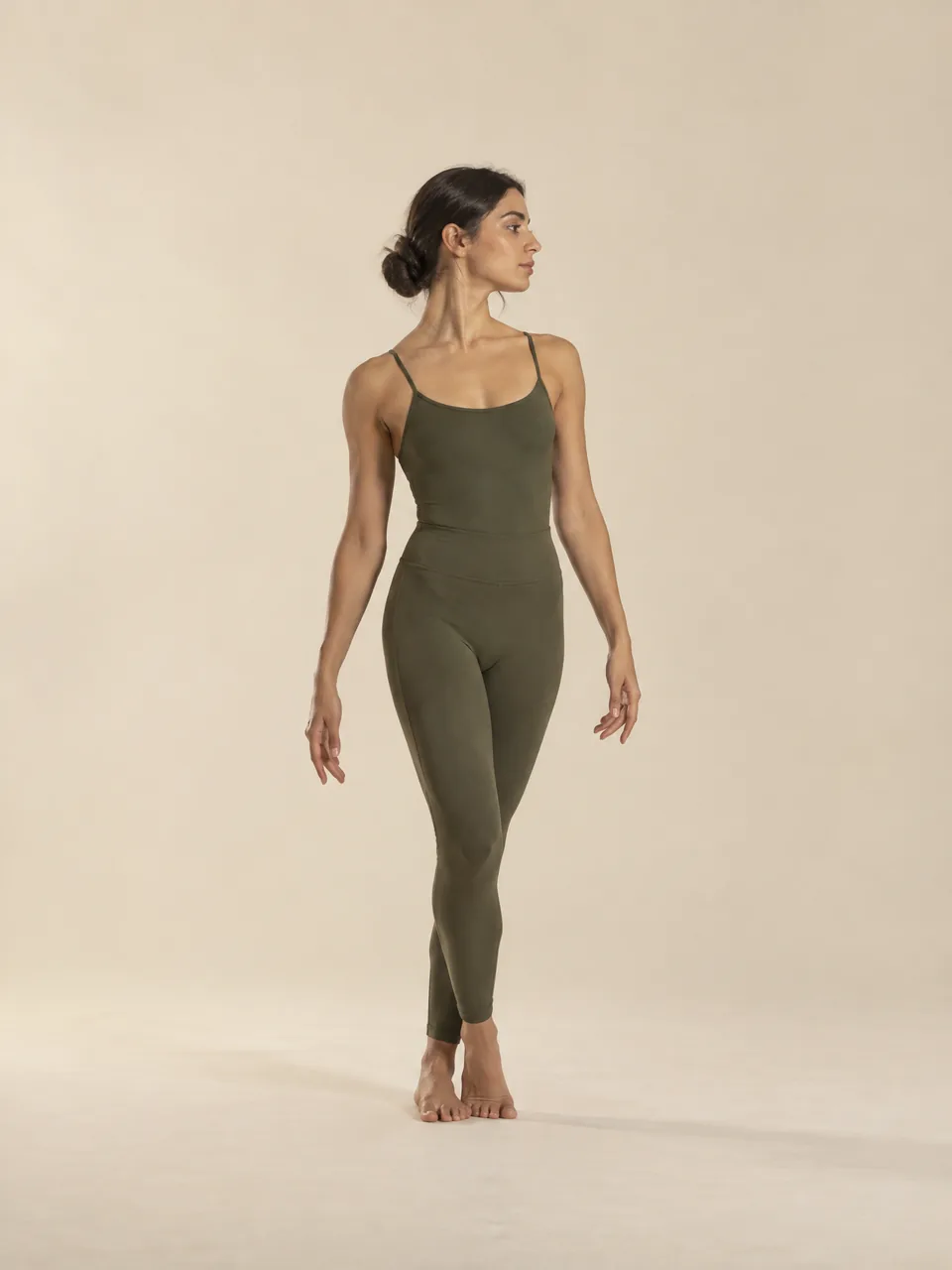
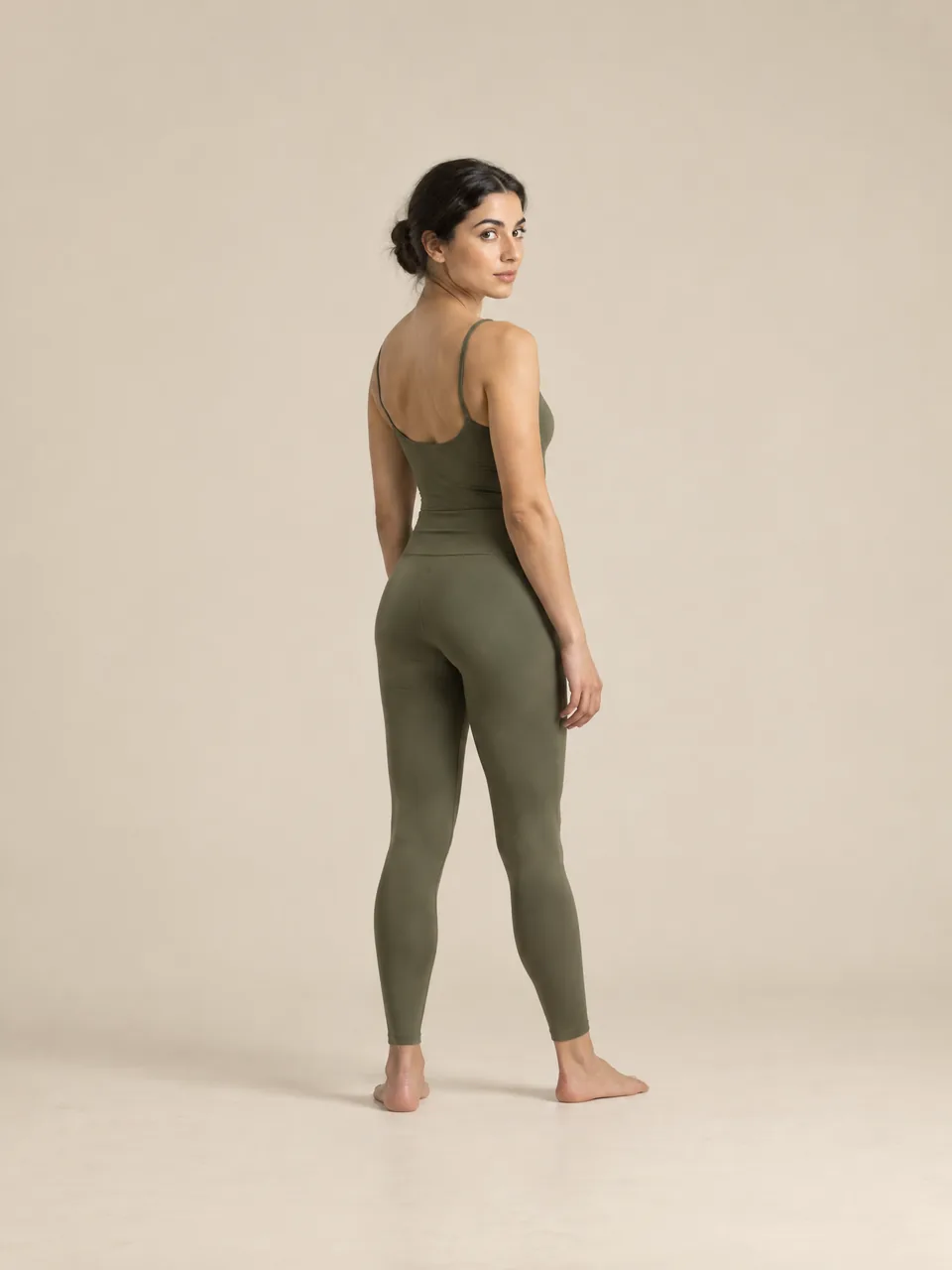
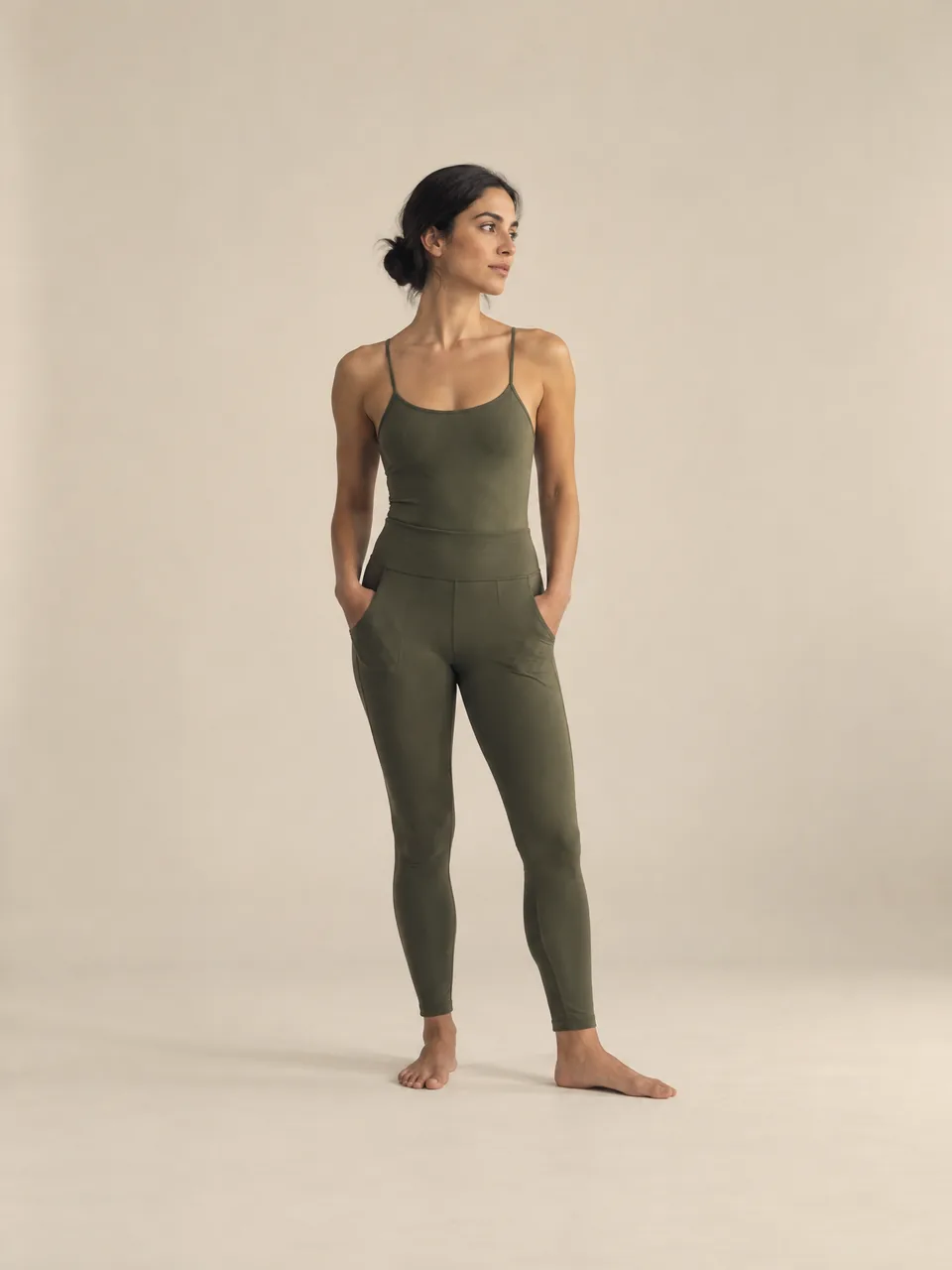
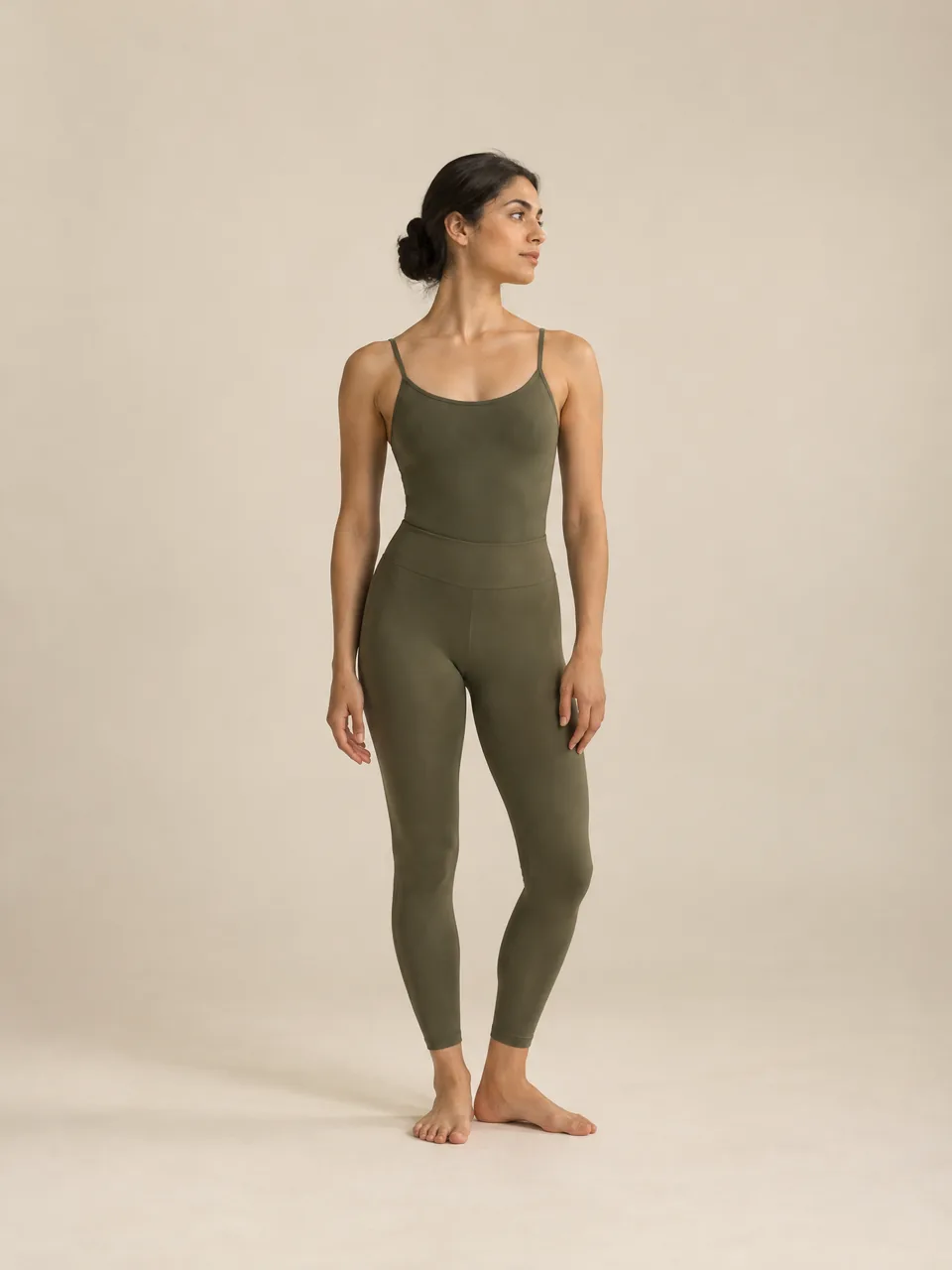
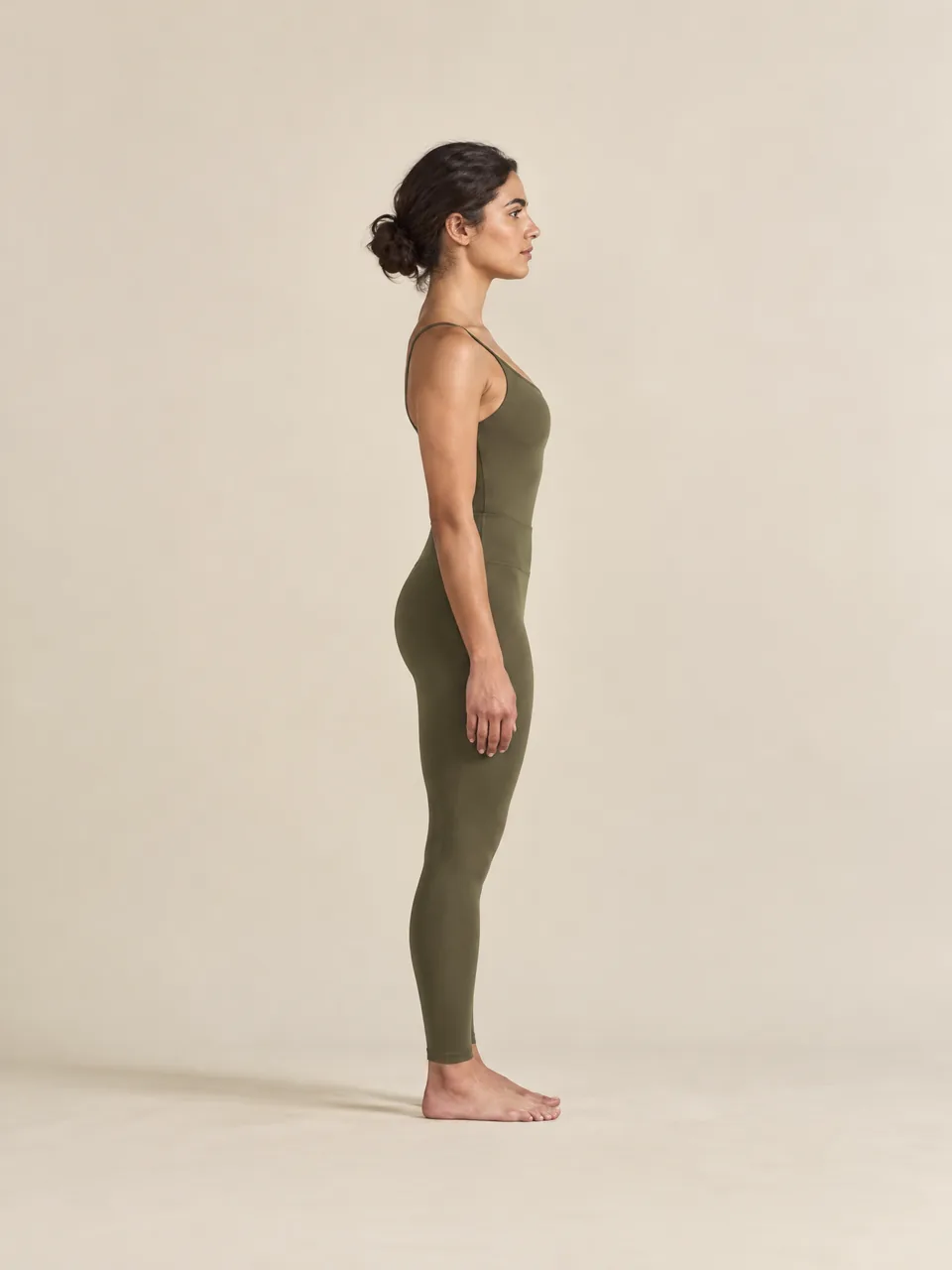
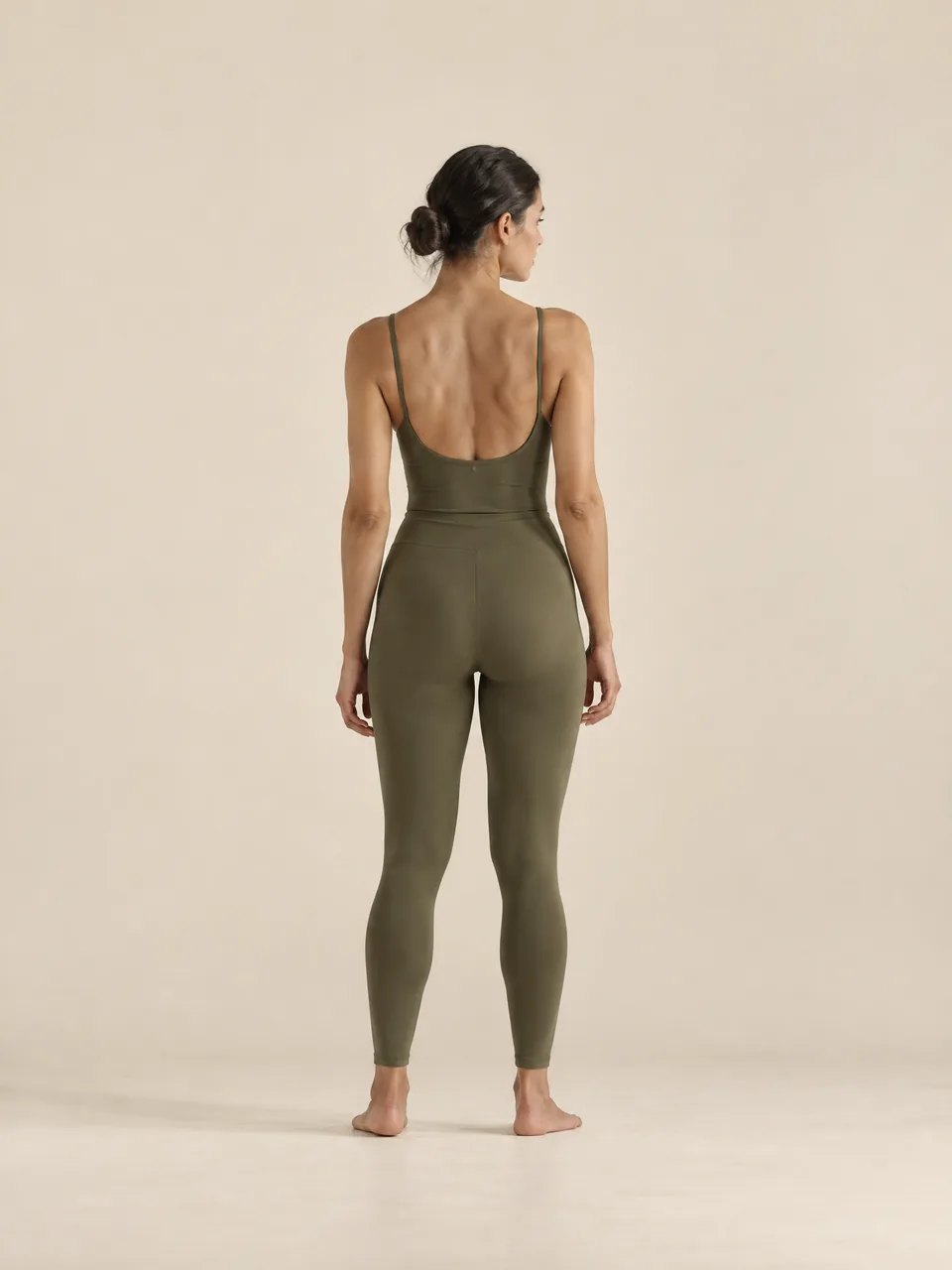
A portrait facing near the camera while the eyes and head turn away to one side.
The smallest turn in the upper-body set keeps the shoulders roughly frontal, the head rotates only partway, and the gaze goes further than the face. That separation between chest direction, face direction and eye direction is what gives the portrait its psychological distance.
For portrait artists it is a welcome change from a locked camera gaze. A subject who is not looking at the viewer reads as caught in thought or in conversation, and the partial turn keeps both eyes visible, which is easier to place on the face than a full profile.
The detail that fails most often is the eyes. When the head has turned only a little, both irises should sit noticeably toward the side of their sockets, and the far eye shows less white than the near one. If you draw the pupils centered, the subject looks poised between two states. Follow the turn through the jaw and cheek as well, since a head turn rotates the whole head, not only the eyes and nose.
Drawing notes
- Push both irises toward the side of the eye socket, less white on the far eye.
- Keep the chest frontal so the head turn reads as a separate action.
- Follow the turn into the jaw and the cheek, not only the nose.
Pose prompt
The description used to generate this study. Copy it into your own workflow, or hand it to the studio with your photo.
Adult woman, upper-body portrait, turning her gaze to the side.
Working notes
- A portrait facing near the camera while the eyes and head turn away to one side.
- The eyes should travel further than the head; that gap is the pose.
Put this pose on your own reference
Take this study to the studio and generate a new image in the same pose, or browse the rest of the upper body studies first.