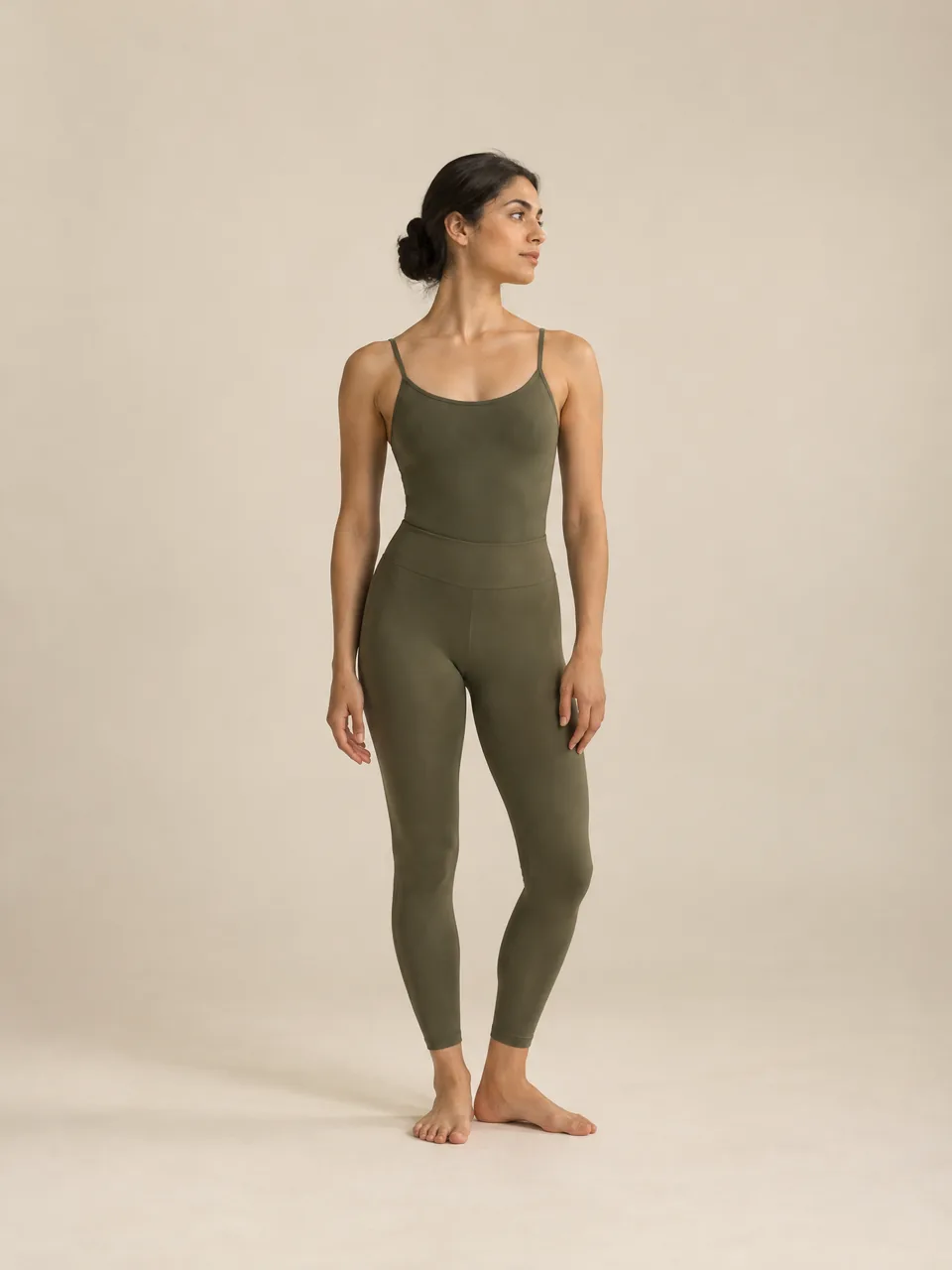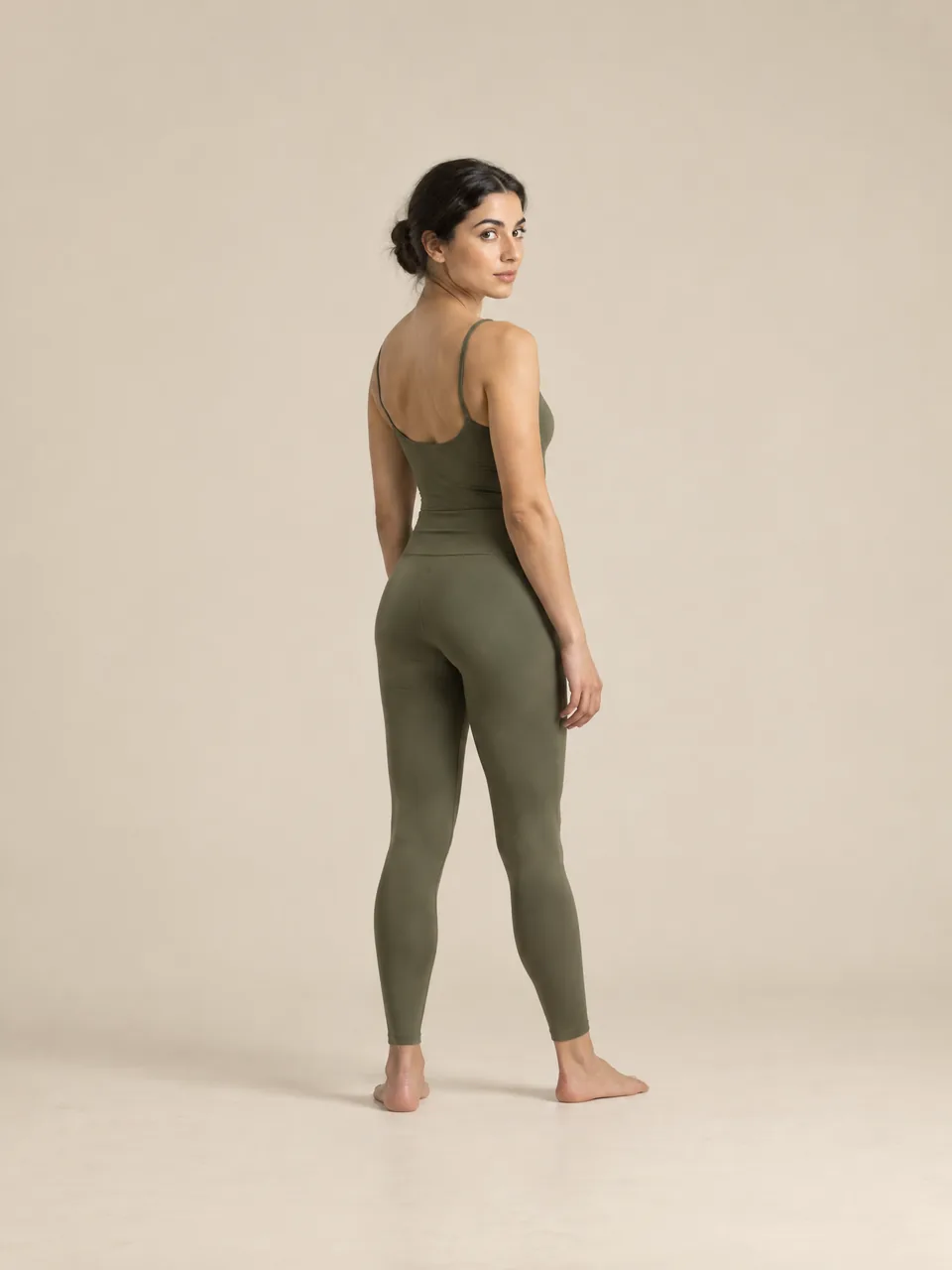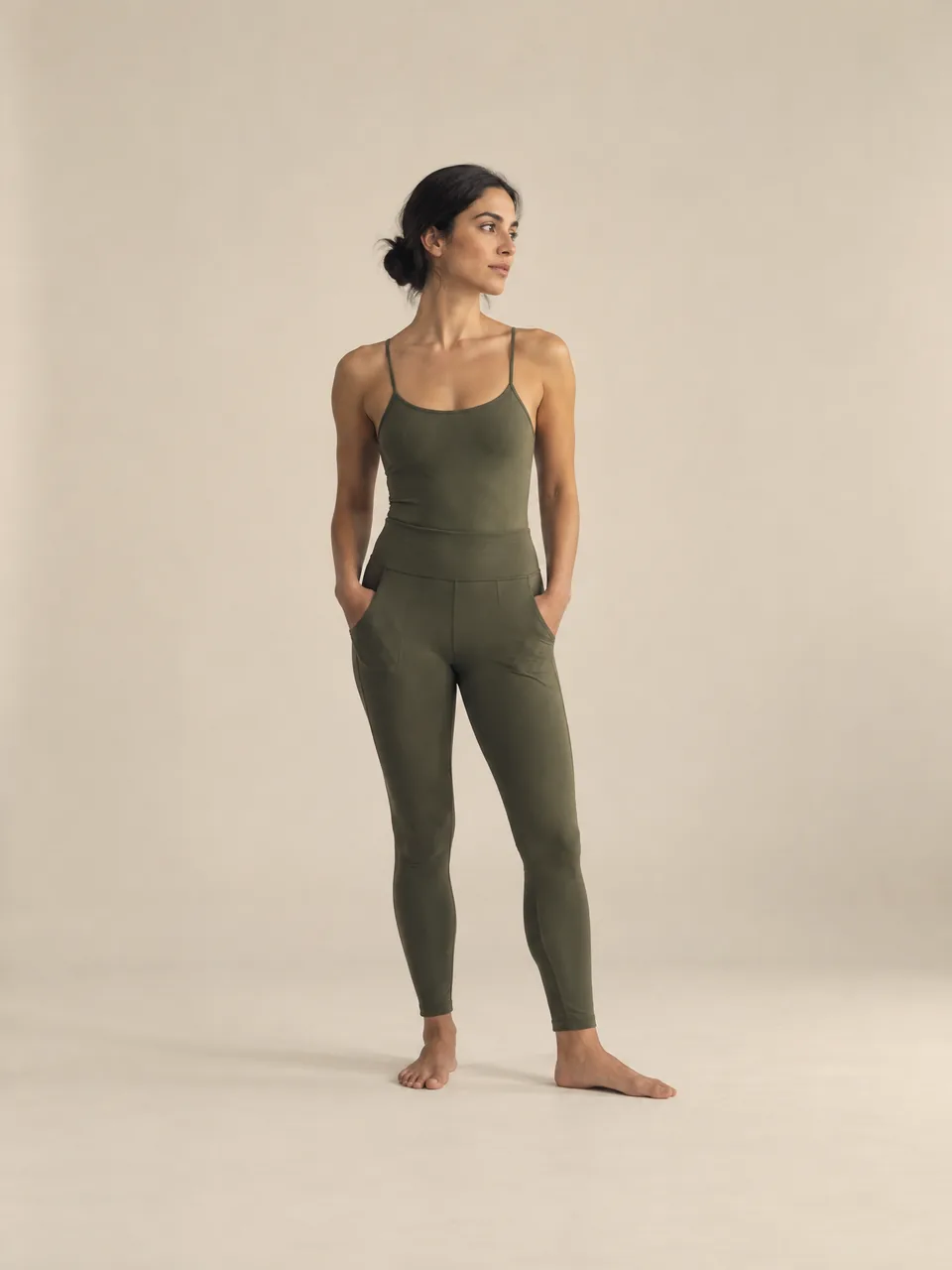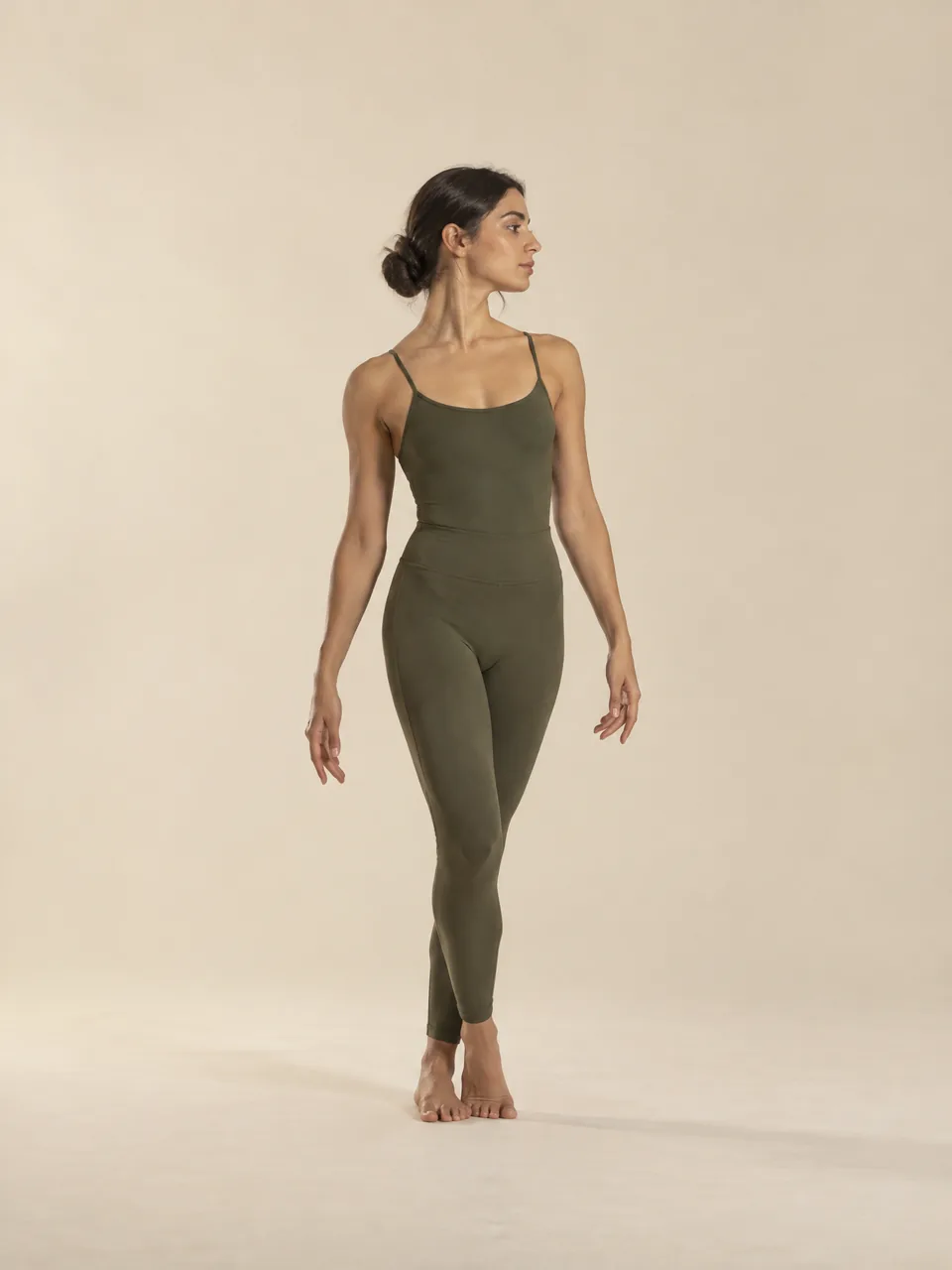
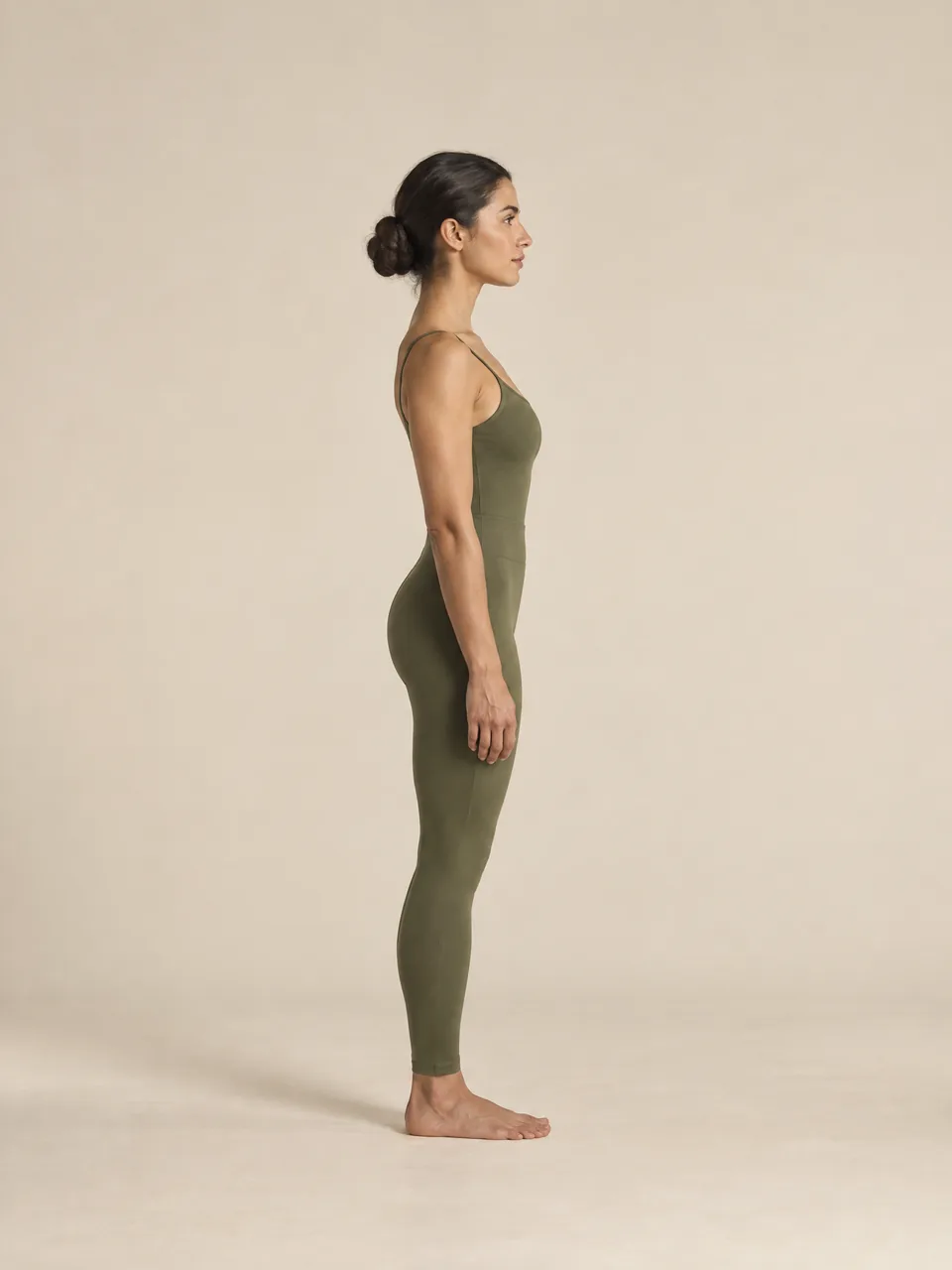
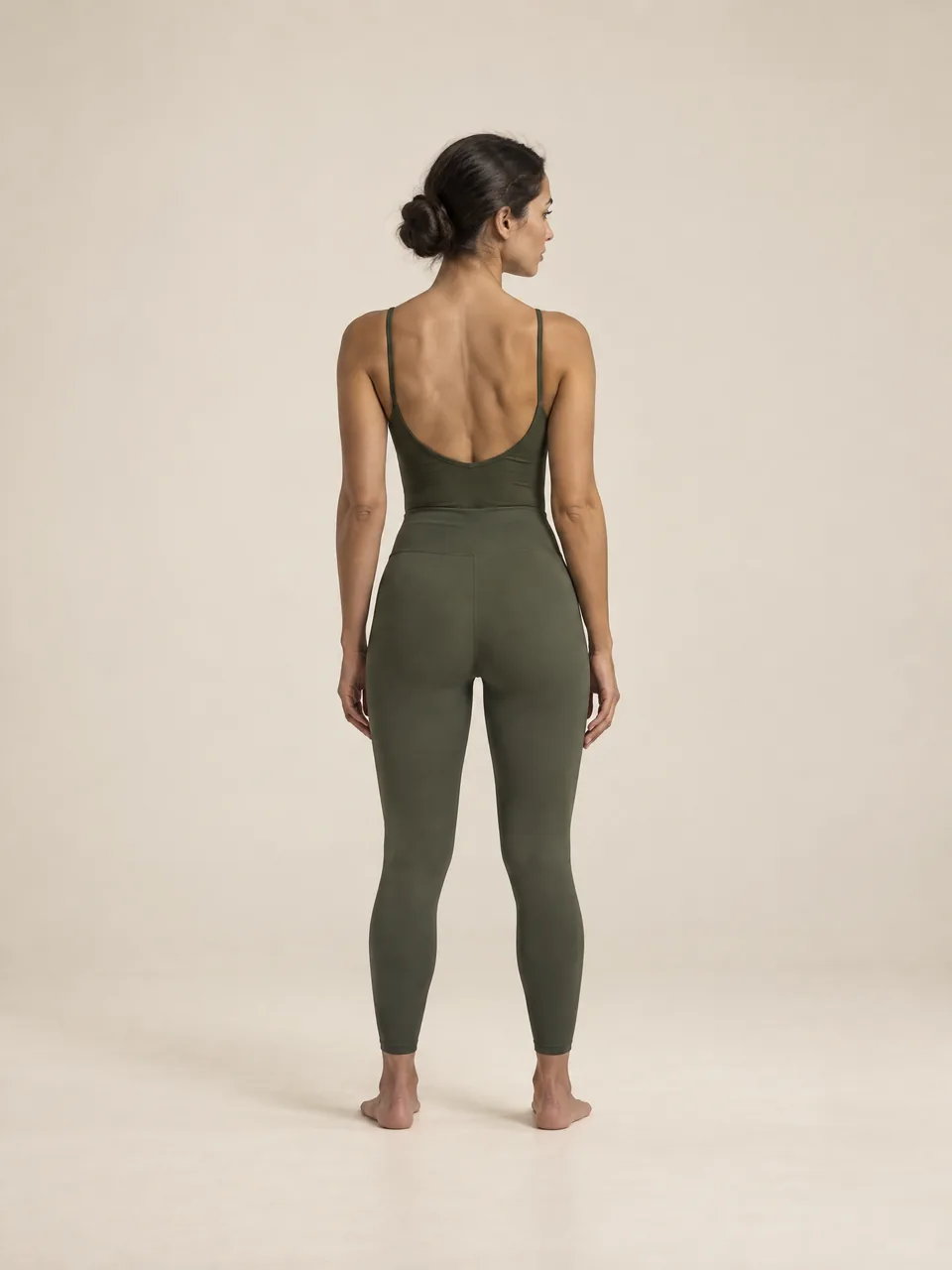
Side profile
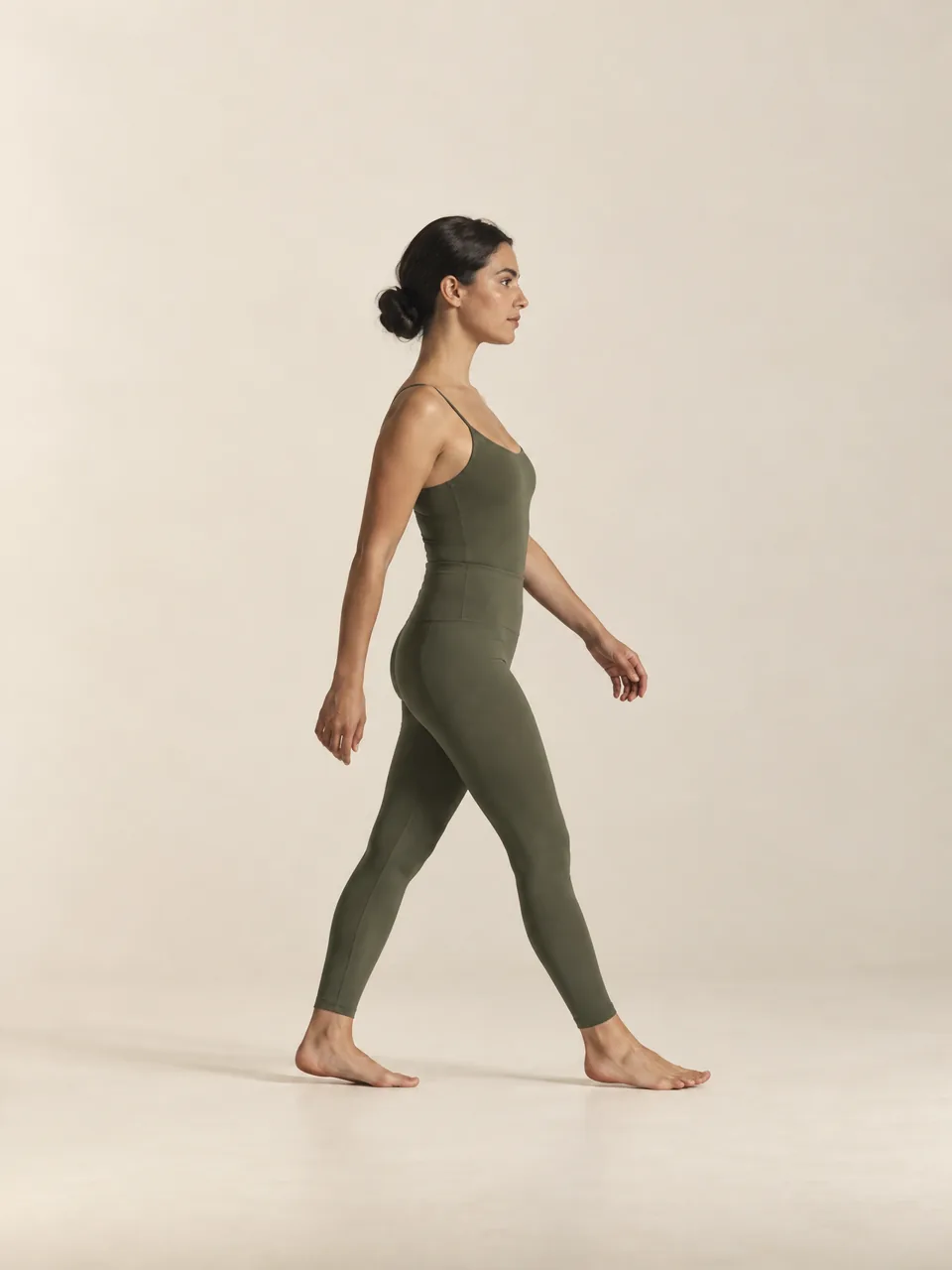
A true side view of the head and shoulders, where the facial profile and the neck angle carry the drawing.
In profile, everything depends on one edge. The forehead, brow, nose, lips, chin and jaw trace a single outline, and behind it the neck runs down to a shoulder that sits forward of the ear. The far shoulder is largely hidden, and the visible torso becomes a shallow slab.
This is the cleanest way to study the relationship between the head and the shoulder girdle, because nothing overlaps it. It is also the view where mistakes are most obvious: a profile drawn from front-view habits produces a flat face and a neck that starts behind the ear instead of under it.
Start with the skull as a circle and place the features relative to its mass, then draw the neck rising from the ribcage to below the ear. The jaw projects forward of the neck, not directly above it. Check the shoulder line: in profile it appears narrow and slightly sloped, and the upper back curves gently outward rather than dropping straight from the neck.
Drawing notes
- Build the skull as a circle and place features off its mass.
- Let the jaw project forward of the neck rather than sitting above it.
- Slope the profile shoulder line and curve the upper back gently outward.
Pose prompt
The description used to generate this study. Copy it into your own workflow, or hand it to the studio with your photo.
Adult woman, upper-body portrait, looking to the side in profile.
Working notes
- A true side view of the head and shoulders, where the facial profile and the neck angle carry the drawing.
- Side views expose anatomy errors; keep the head mass large enough for the profile to sit on.
Put this pose on your own reference
Take this study to the studio and generate a new image in the same pose, or browse the rest of the upper body studies first.