Walking
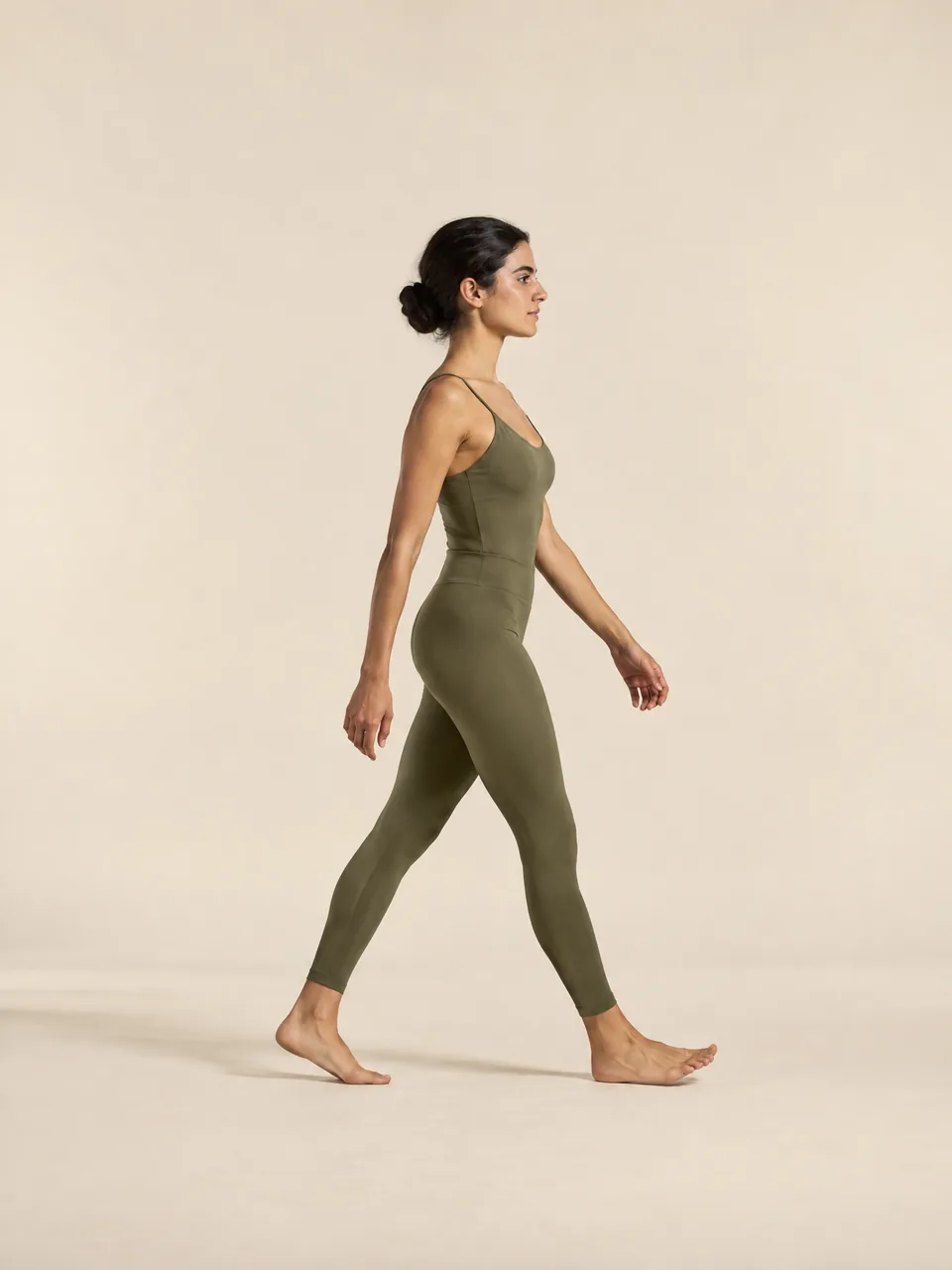
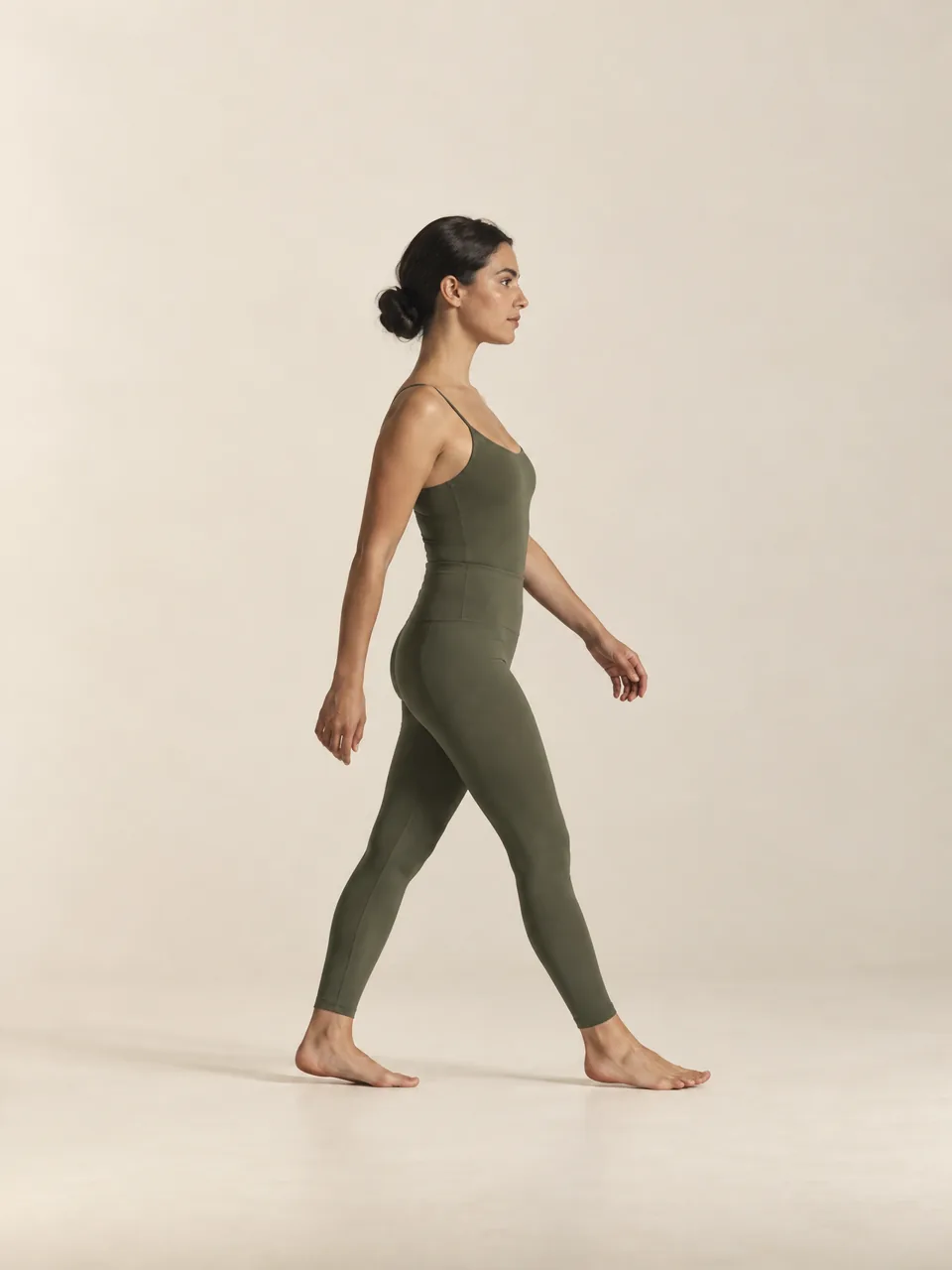
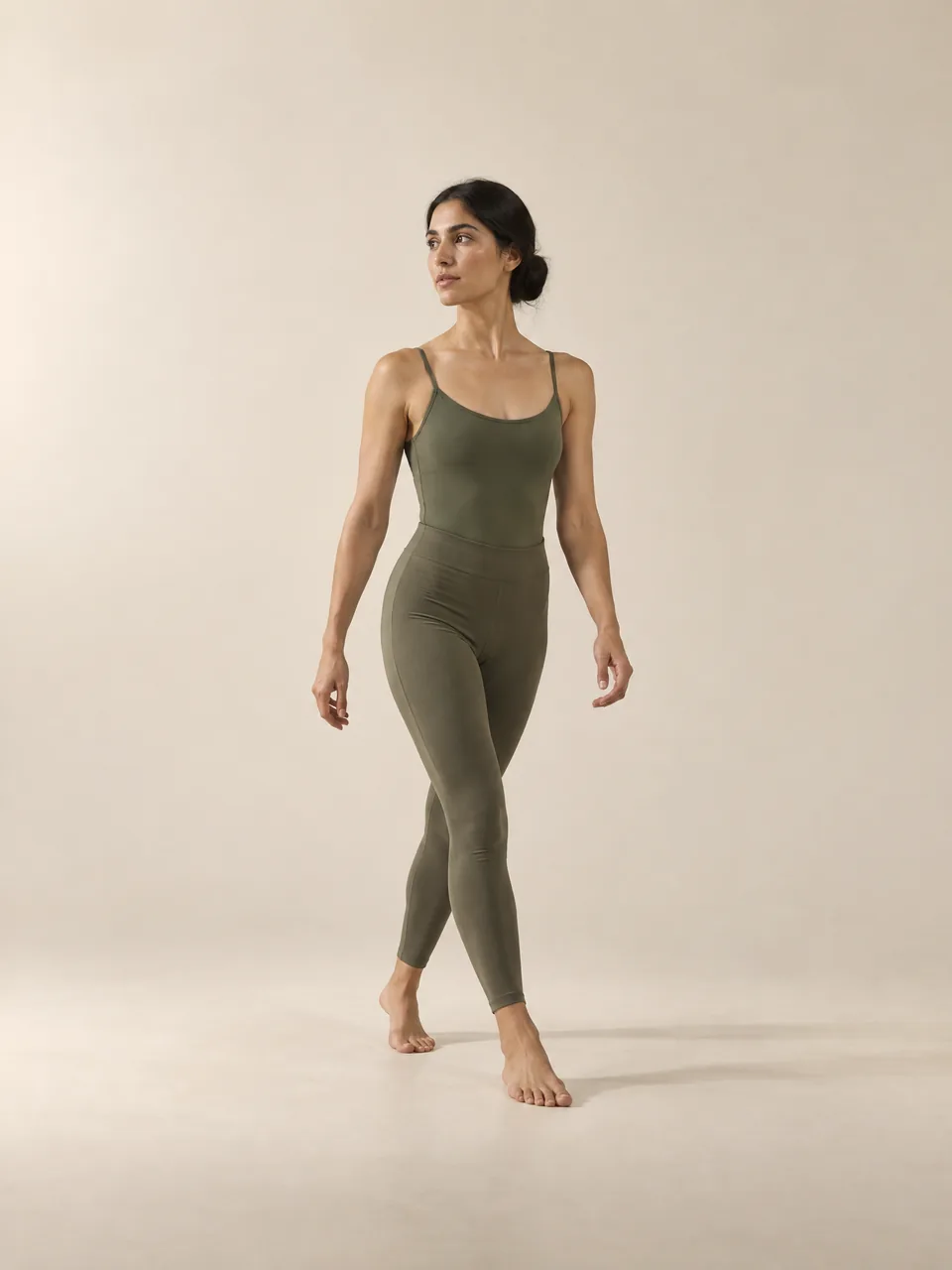
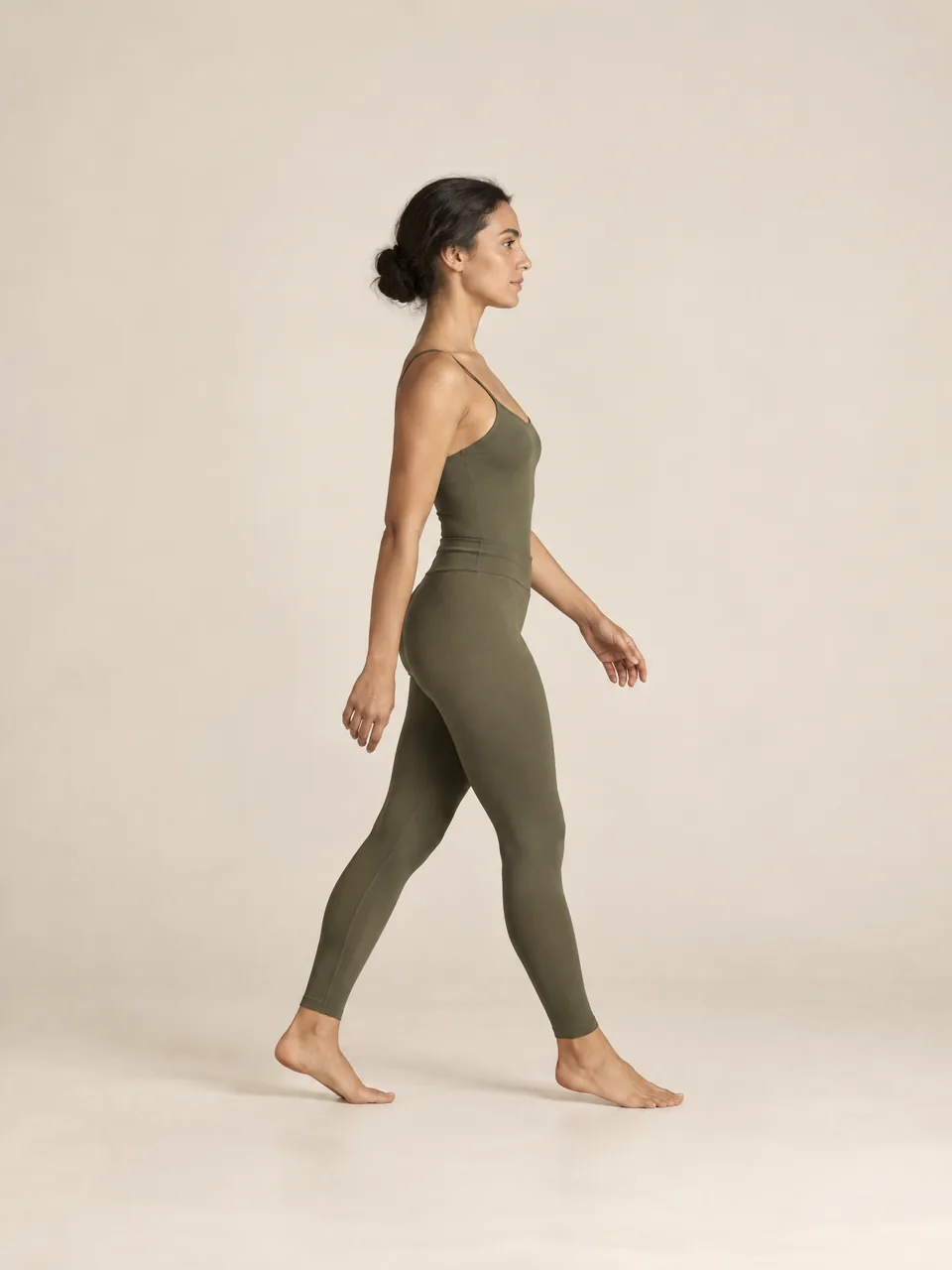
A mid-stride figure seen from three-quarter front, with one leg advancing and the opposite arm swinging.
Three-quarter front is the most common angle in illustration and the least forgiving for a walk, because both the rotation of the torso and the depth of the stride have to be believable at once. The near leg advances toward the camera and the far leg trails back, so the two legs are seen at different foreshortening lengths even though they are the same length in reality.
The torso counter-rotates against the hips: the forward leg brings its hip forward while the same-side shoulder drops back. That opposition is what gives the walk its rhythm, and it reads clearly in this angle because you can see both the chest plane and the hip plane turning in opposite directions.
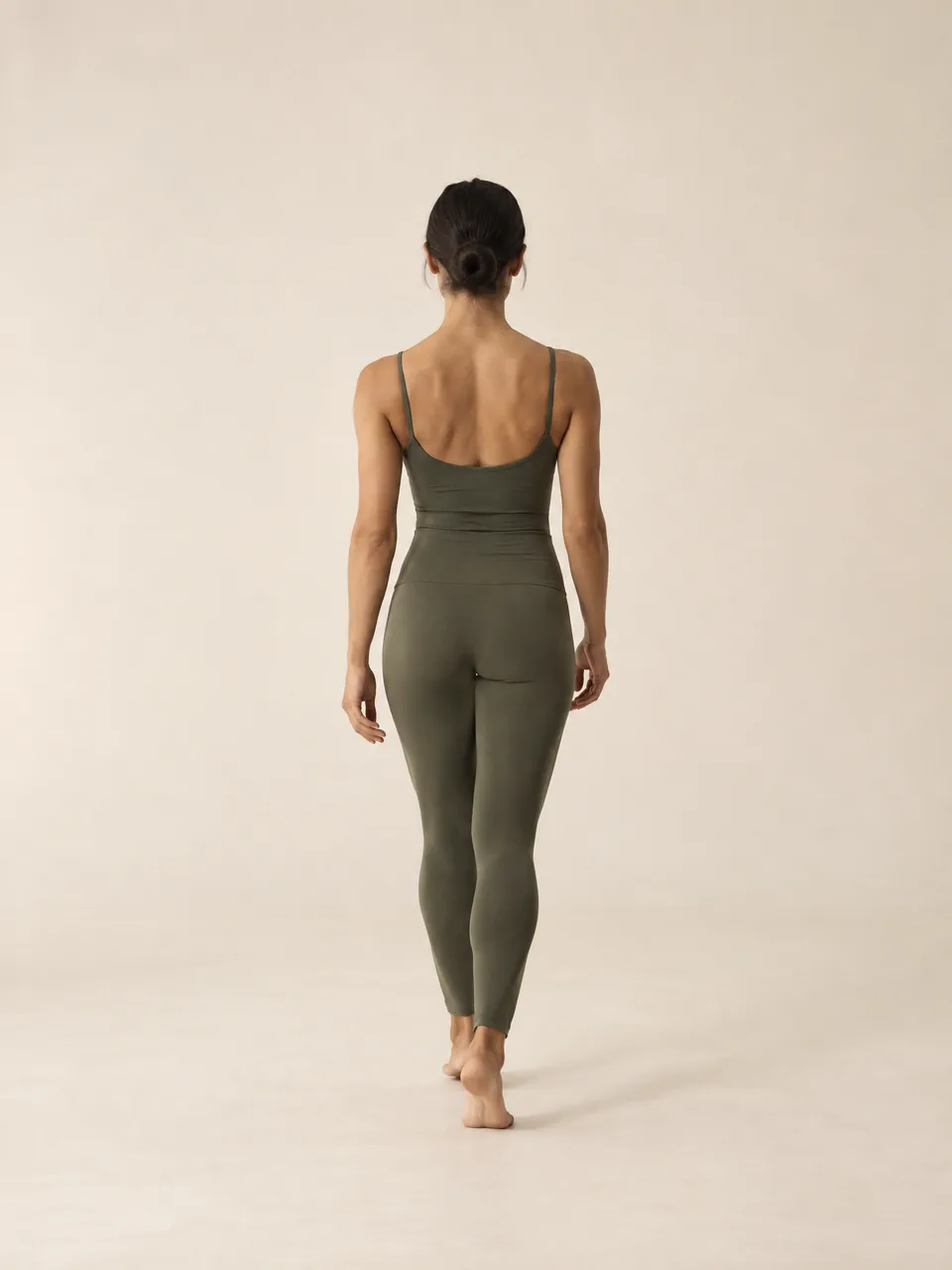
What goes wrong most often is even leg length. Draw both legs at the same length on the page and the far one will look too long, so shorten the trailing leg and hide part of it behind the near thigh. Watch the hips as well: in a walk the pelvis is never level, it rises over the supporting leg and drops on the swinging side. Keep the head steady and the neck long so the figure does not appear to lurch.
Drawing notes
- Shorten the trailing leg on the page to keep it the same length as the near one.
- Rotate shoulders and hips in opposite directions through the stride.
- Keep the head level so the walk does not read as a lurch.
Pose prompt
The description used to generate this study. Copy it into your own workflow, or hand it to the studio with your photo.
Full-body mannequin walking, three-quarter view.
Working notes
- A mid-stride figure seen from three-quarter front, with one leg advancing and the opposite arm swinging.
- Mannequin wording keeps the study about structure; add clothing only when you want to test silhouette.
Put this pose on your own reference
Take this study to the studio and generate a new image in the same pose, or browse the rest of the action studies first.